 NL·0479
Herbarium of the Nature Library
- Name
- Heloderma suspectum
- Family
- Helodermatidae
- Native to
- Southwestern United States (Arizona, southern Nevada, Utah, New Mexico, California) and northwestern Mexico (Sonora, Sinaloa)
- Habitat
- Desert, Desert scrub, Rocky foothills
Gila monster
Heloderma suspectum
Also calledMonstruo de Gila (Spanish) · Gila monster lizard
A slow, beaded black-and-pink venomous lizard of the North American deserts, spending most of its life underground. A hormone from its saliva inspired the diabetes drug exenatide, an early member of the family of drugs that later includes semaglutide.
The Gila monster is a species of venomous lizard native to the Southwestern United States and the northwestern Mexican state of Sonora. It is a heavy, slow-moving reptile, up to 22 in (56 cm) long, and it is the only venomous lizard native to the United States. The Gila monster is sluggish in nature, so it is not generally dangerous and very rarely poses a real threat to humans, though the bite is painful. Nonetheless, it has a fearsome reputation and is sometimes killed despite the species being protected by state law in Arizona. Wikipedia
What it can do
- iDelivers venom by chewing, from glands in its lower jaw; bites are very painful
- iiStores fat in its thick tail, letting it survive months without food
- iiiCan eat a third of its body weight in one meal
- ivIts saliva contains exendin-4, which led to the drug exenatide (approved 2005)
In the field
Field marks
- aBead-like scales in black with pink, orange or yellow patches or bands
- bHeavy body with a short, fat tail
- cBlunt, rounded head and small eyes
- dSlow, waddling walk
- Not to be confused with
- The Mexican beaded lizard (H. horridum) is larger and darker, mostly yellowish and black, and lives further south. Chuckwallas are flat and grey-brown, with no beaded pattern.
- Where to see it
- Sonoran Desert around Tucson and Phoenix, Arizona (Saguaro National Park); southwestern Utah; Arizona-Sonora Desert Museum
- When
- Most active April–June; mostly inactive in winter
Life & habits
- Diet
- Bird and reptile eggs, nestling birds and baby rodents
- Habitat
- Rocky desert hillsides, desert washes, scrub
- Size
- ~30–55 cm
- Lifespan
- ~20 years in the wild; up to ~30 in captivity
Spends about 90% of its life in burrows, coming out mainly in spring to raid nests. Bites are rare and come from handling. It clamps on and chews. The bite is very painful and causes swelling and sometimes low blood pressure, but deaths are almost unknown. Remove the lizard, wash the wound and go to hospital. Do not cut or suck the bite.
Where it lives
Recorded sightings
—
geo-referenced records in GBIF, from museums, herbaria and field observers.
Native range
Southwestern United States (Arizona, southern Nevada, Utah, New Mexico, California) and northwestern Mexico (Sonora, Sinaloa)
Drag the globe to turn it. Dots are where records exist, not a range map; darker means more records.
In the old herbals & bestiaries
No plate in the Source Library names this exact species, so these show its closest relatives as the old naturalists drew them: same genus, or the same kind of animal. Click a plate to read the page it came from, with translation.
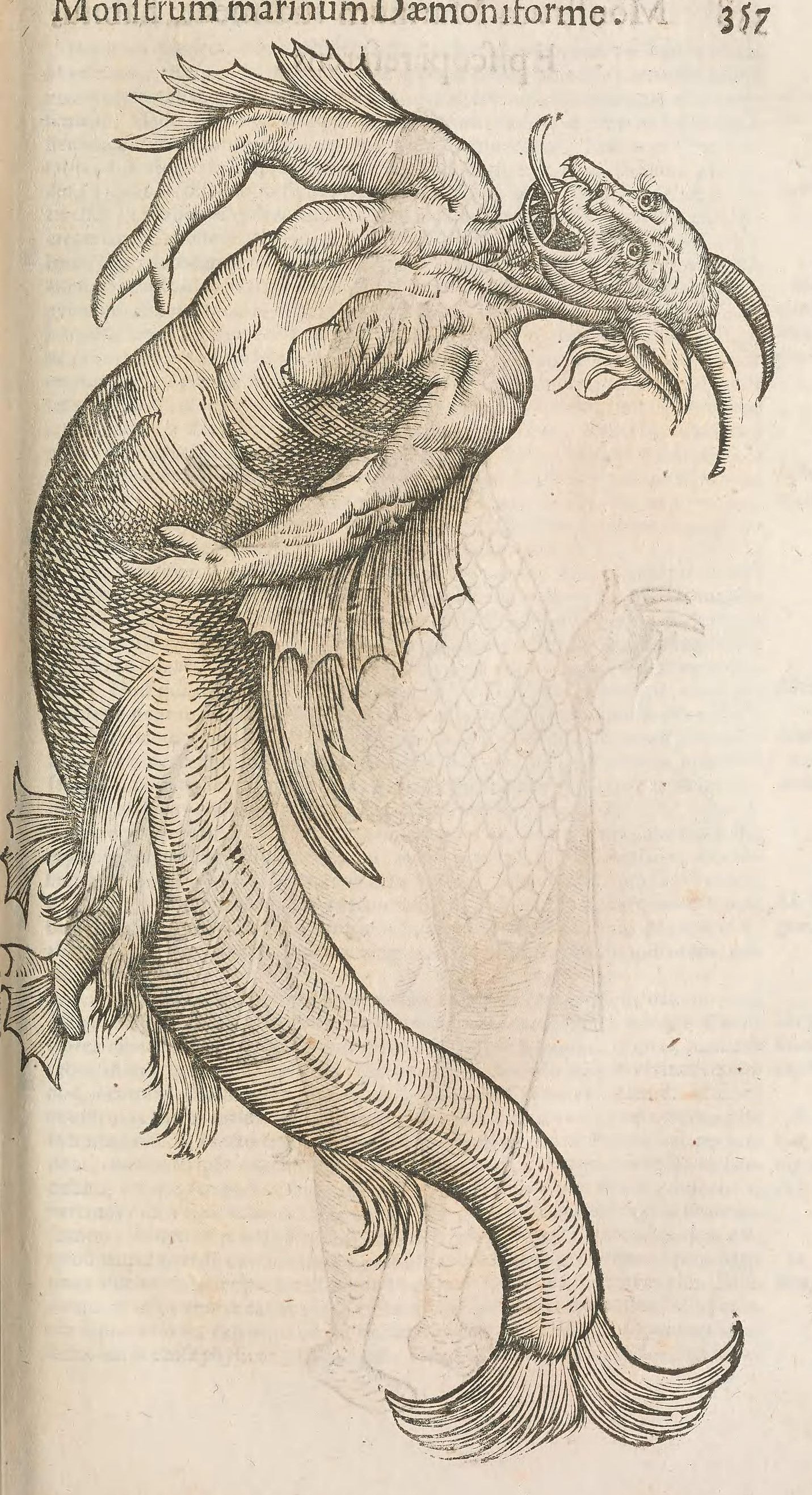
History of Monsters
Relative · Ulisse Aldrovandi · 1642 · p.371

History of Monsters
Relative · Ulisse Aldrovandi · 1642 · p.372

Louis Renard — Poissons, ecrevisses et crabes (1754)
Relative · Louis Renard · 1754 · p.218

History of Animals, Book II: On Oviparous Quadrupeds
Relative · Conrad Gessner · 1586 · p.507

Ulyssis Aldrovandi ... serpentum et draconum historiae libri duo
Relative · Ambrosini, Bartolommeo · 1640 · p.326

Ortus sanitatis
Relative · 1491 · p.716

Cosmographey: das ist Beschreibung aller Laender
Relative · Münster, Sebastian · 1598 · p.1336

Garden of Health (Hortus Sanitatis)
Relative · Jacob Meydenbach · 1491 · p.637

Garden of Health
Relative · Jacob Meydenbach · 1491 · p.687

Ortus sanitatis
Relative · 1491 · p.688
In the stacks
Searching the stacks…
Every page naming Heloderma suspectum in the Biodiversity Heritage Library →
Marginalia
In 1952 Arizona protected the Gila monster by law, making it among the first venomous animals to receive legal protection in the United States. Its common name refers to the Gila River basin.
Curiosity
Endocrinologist John Eng discovered exendin-4 in Gila monster venom in 1992.
Kinship





Photographs: iNaturalist contributors under the licences shown. Records: GBIF.org. Historical plates: Source Library (CC BY-SA 4.0; originals public domain). Summary text: Nature Library editors and Wikipedia (CC BY-SA). Medicinal and edibility notes are historical and educational, not advice. iNaturalist taxon 35003.