 NL·0231
Herbarium of the Nature Library
- Name
- Pithecophaga jefferyi
- Family
- Accipitridae
- Native to
- Endemic to the Philippines: Mindanao, Luzon, Samar and Leyte
- Habitat
- Tropical rainforest
On eBird ↗
Philippine Eagle
Live sightings near you, the range map, bar charts of when it is seen, and Macaulay Library photos and recordings.
Philippine eagle
Pithecophaga jefferyi
Also calledHaribon (Filipino) · Banog (Bikol and several Mindanao languages) · Monkey-eating eagle
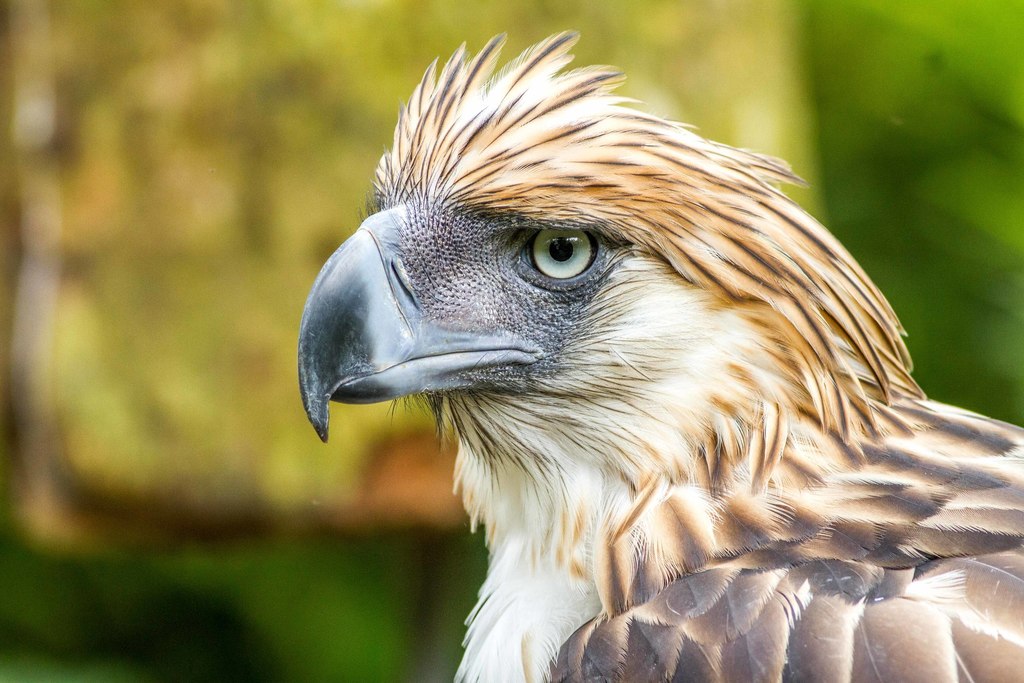
One of the largest and most powerful eagles in the world, with a shaggy crest, a huge arched blue-grey bill and pale blue eyes. Found only in the rainforests of the Philippines, it is the national bird and among the rarest raptors on Earth.
The Philippine eagle, also known as the monkey-eating eagle or great Philippine eagle, is a critically endangered species of eagle of the family Accipitridae which is endemic to forests in the Philippines. It has brown and white-coloured plumage, a shaggy crest, and generally measures 86 to 102 cm in length and weighs 4.04 to 8.0 kg. Wikipedia
What it can do
- iHunts flying lemurs (colugos), monkeys, civets and large birds in the forest canopy
- iiPairs hunt cooperatively, one distracting a monkey troop while the other strikes
- iiiRaises a single chick every two years
In the field
Field marks
- aVery large eagle with a shaggy, spiky crest
- bHuge, deeply arched blue-grey bill
- cDark face, brown upperparts, cream-white underparts
- dPale blue-grey eyes; broad, short wings and long tail
- Voice
- High-pitched whistles, rising at the end, especially from young birds begging
- Not to be confused with
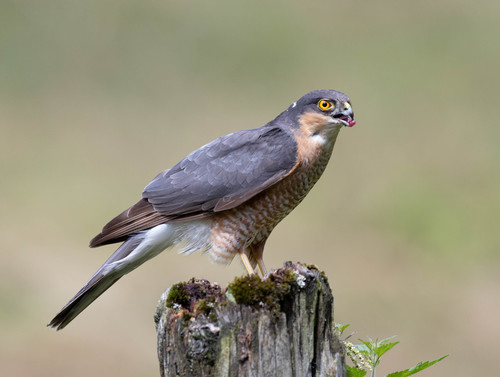
- Changeable hawk-eagle and Philippine hawk-eagle are much smaller with less massive bills; no other Philippine raptor approaches its size.
- Where to see it
- Philippine Eagle Center near Davao City; Mount Kitanglad and Mount Apo, Mindanao
- When
- Resident year-round
Listen
Looking for field recordings…
Life & habits
- Diet
- Colugos (Philippine flying lemurs), macaques, palm civets, flying squirrels, hornbills, snakes
- Habitat
- Primary dipterocarp forest on steep mountain slopes
- Size
- About 86–102 cm long; wingspan about 1.8–2.2 m
Hunts by perching in the canopy and moving between trees, then flying fast through the forest to seize prey with its massive talons.
Where it lives
Recorded sightings
—
geo-referenced records in GBIF, from museums, herbaria and field observers.
Native range
Endemic to the Philippines: Mindanao, Luzon, Samar and Leyte
Drag the globe to turn it. Dots are where records exist, not a range map; darker means more records.
In the stacks
Searching the stacks…
Every page naming Pithecophaga jefferyi in the Biodiversity Heritage Library →
Marginalia
Proclaimed the national bird of the Philippines in 1995, it gave its Filipino name Haribon ('king of birds') to the country's leading conservation society. The first captive-bred chick, Pag-asa ('hope'), hatched in 1992.
Curiosity
Despite its old name 'monkey-eating eagle', its main prey on Mindanao is the colugo, a gliding mammal.
Kinship


Fact-checked: 1 correction made to this sheet. Photographs: iNaturalist contributors under the licences shown. Records: GBIF.org. Historical plates: Source Library (CC BY-SA 4.0; originals public domain). Summary text: Nature Library editors and Wikipedia (CC BY-SA). Medicinal and edibility notes are historical and educational, not advice. iNaturalist taxon 5413.