 NL·0332
Herbarium of the Nature Library
- Name
- Macaca mulatta
- Family
- Cercopithecidae
- Native to
- Afghanistan and Pakistan east through northern India, Nepal, Bangladesh, Myanmar, Thailand and Indochina to China; introduced in Florida and Puerto Rico
- Habitat
- Temperate and tropical forest, Mangrove, Farmland, Urban
Rhesus macaque
Macaca mulatta
Also calledBandar (Hindi/Urdu) · Markaṭa (Sanskrit) · Bāndor (Bengali) · Mihóu 猕猴 (Chinese) · Mono rhesus (Spanish)
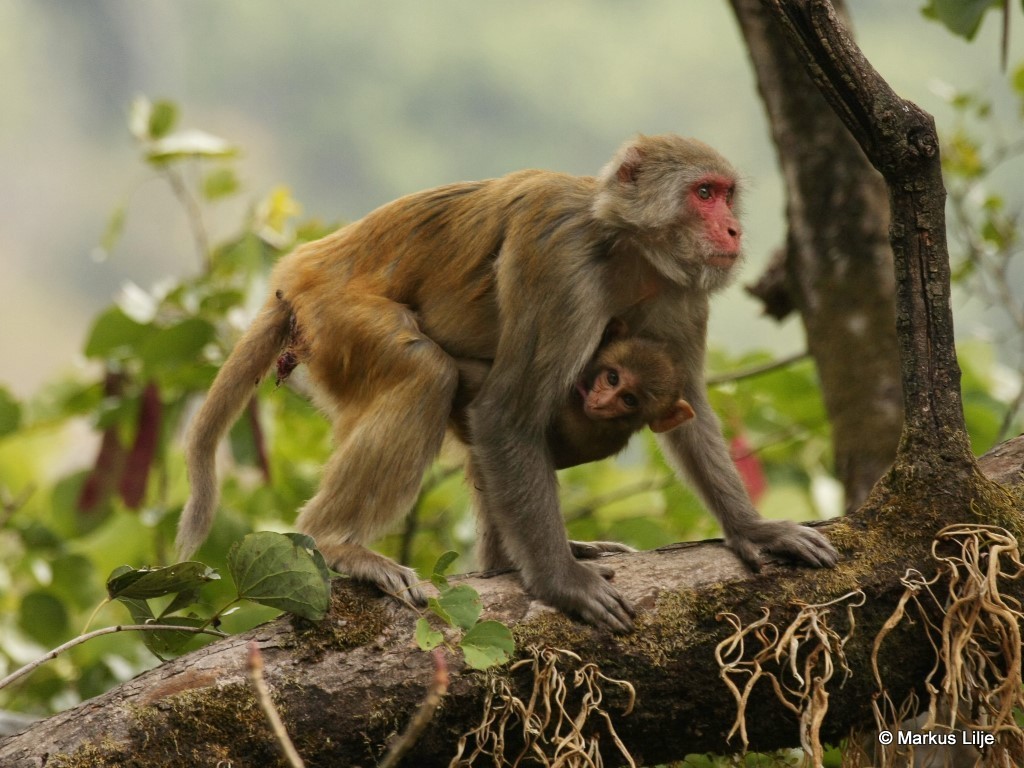
The familiar temple and street monkey of northern South Asia and China, with the widest range of any non-human primate. It has shaped modern medicine: the Rh blood factor is named after it, and rhesus monkeys were central to polio vaccine development and early spaceflight.
The rhesus macaque, colloquially rhesus monkey, is a species of Old World monkey in the Macaca genus. There are between six and nine recognised subspecies split between two groups, the Chinese-derived and the Indian-derived. Generally brown or grey in colour, it is 47–53 cm (19–21 in) in length with a 20.7–22.9 cm (8.1–9.0 in) tail and weighs 5.3–7.7 kg (12–17 lb). It is native to South, Central, and Southeast Asia and has the widest geographic range of all non-human primates, occupying a great diversity of altitudes and habitats. Wikipedia
What it can do
- iLives from sea-level mangroves to Himalayan forests above 3,000 m and in big cities
- iiSwims well and readily crosses rivers
- iiiStores food in cheek pouches to eat later in safety
In the field
Field marks
- aBrown-grey monkey with an orange-red rump and lower back
- bBare pink to red face and rump
- cMedium-length tail (shorter than body)
- dSigns: bold troops around temples, roadsides and picnic spots
- Not to be confused with
- Bonnet macaque (south India) has a cap of hair parted in the middle and a longer tail. Assamese macaque is darker and lacks the orange rump. Langurs have black faces and very long tails.
- Where to see it
- Temples of Vrindavan and Varanasi; Delhi Ridge; Murree and Margalla Hills (Pakistan); Corbett and Kaziranga national parks; Cayo Santiago, Puerto Rico (free-ranging research colony)
- When
- Resident year-round
Listen
Looking for field recordings…
Life & habits
- Diet
- Omnivore: fruits, seeds, leaves, roots, insects and human food
- Habitat
- Forests of many kinds, farmland, temples and towns
- Size
- Body 45–64 cm, tail 20–30 cm; males about 7–12 kg
- Lifespan
- About 25 years; up to 40 in captivity
Lives in multi-male, multi-female troops with strict female dominance hierarchies inherited from mothers to daughters.
Where it lives
Recorded sightings
—
geo-referenced records in GBIF, from museums, herbaria and field observers.
Native range
Afghanistan and Pakistan east through northern India, Nepal, Bangladesh, Myanmar, Thailand and Indochina to China; introduced in Florida and Puerto Rico
Drag the globe to turn it. Dots are where records exist, not a range map; darker means more records.
In the old herbals & bestiaries
No plate in the Source Library names this exact species, so these show its closest relatives as the old naturalists drew them: same genus, or the same kind of animal. Click a plate to read the page it came from, with translation.


In the stacks
Searching the stacks…
Every page naming Macaca mulatta in the Biodiversity Heritage Library →
Marginalia
Monkeys around Hindu temples are fed as associates of Hanuman, the monkey-god of the Ramayana. India banned the export of rhesus monkeys in 1978 after decades of supplying laboratories worldwide.
Curiosity
A rhesus monkey named Albert II became the first primate in space in June 1949, aboard a V-2 rocket launched from New Mexico.
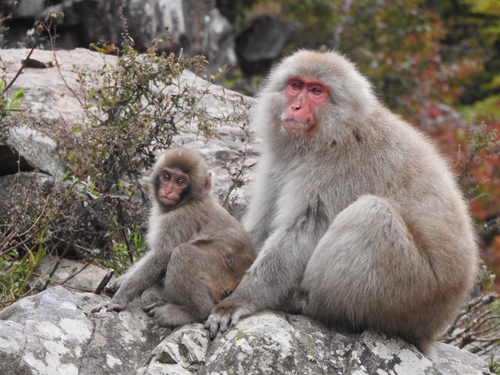
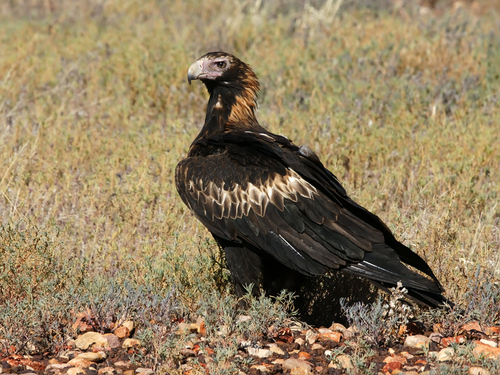
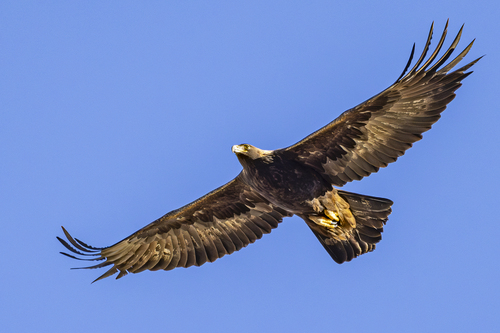
Kinship

Photographs: iNaturalist contributors under the licences shown. Records: GBIF.org. Historical plates: Source Library (CC BY-SA 4.0; originals public domain). Summary text: Nature Library editors and Wikipedia (CC BY-SA). Medicinal and edibility notes are historical and educational, not advice. iNaturalist taxon 43460.