 NL·0410
Herbarium of the Nature Library
- Name
- Orcinus orca
- Family
- Delphinidae
- Native to
- All oceans; most abundant in cold, productive waters of the North Pacific, North Atlantic and Southern Ocean
- Habitat
- Open ocean, Coastal waters, Polar seas
Orca (killer whale)
Orcinus orca
Also calledKéet (Tlingit) · Sḵana (Haida) · Aarluk (Inuktitut) · Shachi (Japanese) · Hǔjīng 虎鲸 (Chinese) · Ballena asesina (Spanish)
The largest dolphin and the ocean's top predator, found in every ocean from the polar ice to the tropics. Orca populations have distinct diets, hunting methods and call dialects passed down through family lines, which biologists describe as culture.
The orca, or killer whale, is a toothed whale and the largest member of the oceanic dolphin family. The only extant species in the genus Orcinus, it is recognizable by its distinct pigmentation; being mostly black on top, white on the bottom and having recognizable white eye patches. A cosmopolitan species, it inhabits a wide range of marine environments, from Arctic to Antarctic regions to tropical seas, but is more commonly documented in temperate or cooler coastal waters. Scientists have proposed dividing the global population into races, subspecies, or possibly even species. Wikipedia
What it can do
- iHunts with echolocation and coordinated group tactics
- iiCreates waves in unison to wash seals off Antarctic ice floes
- iiiDeliberately beaches itself to snatch sea lion pups, then wriggles back into the sea (Patagonia, Crozet Islands)
- ivPasses learned dialects and hunting traditions from mothers and grandmothers to offspring
- vKills great white sharks and blue whales
In the field
Field marks
- aBold black and white pattern with a white eye patch
- bGrey 'saddle patch' behind the dorsal fin
- cMales have a very tall, straight dorsal fin
- dTravels in family pods
- Voice
- Clicks, whistles and pulsed calls; each pod has its own dialect
- Not to be confused with
- False killer whale is all-dark and slimmer. Risso's dolphin is grey and scarred. Female orcas have curved fins like large dolphins.
- Where to see it
- San Juan Islands and Salish Sea (Washington/British Columbia); northern Norway (Skjervøy area) in winter; Península Valdés, Argentina
- When
- Salish Sea mainly summer; Norway Nov–Jan with the herring; Valdés beach-hunting Mar–Apr
Listen
Looking for field recordings…
Life & habits
- Diet
- Carnivore; varies by population: salmon, herring, seals, sea lions, sharks, other whales
- Habitat
- Coastal and open ocean, especially cold waters
- Size
- Males 6–8 m (rarely ~9 m), up to ~6 t; dorsal fin to 1.8 m
- Lifespan
- Males ~30–60 years; females ~50–80+ years
Resident orcas of the Pacific Northwest stay with their mothers for life. Females live decades past menopause, and these grandmothers lead the family to salmon in lean years.
Where it lives
Recorded sightings
—
geo-referenced records in GBIF, from museums, herbaria and field observers.
Native range
All oceans; most abundant in cold, productive waters of the North Pacific, North Atlantic and Southern Ocean
Drag the globe to turn it. Dots are where records exist, not a range map; darker means more records.
In the old herbals & bestiaries
Woodcuts and engravings matched from the Source Library’s scanned books by name. Plates marked “relative” show a close kin rather than this exact species. Click a plate to read the page it came from, with translation.


In the stacks
Searching the stacks…
Every page naming Orcinus orca in the Biodiversity Heritage Library →
Marginalia
Orcas are crest animals of Haida, Tlingit and other Northwest Coast nations, carved on totem poles. At Eden, New South Wales, a pod led by 'Old Tom' herded baleen whales towards human whalers in exchange for the tongues and lips, a partnership that lasted into the 1920s.
Curiosity
IUCN lists the orca as Data Deficient because it may comprise several species that have not yet been formally separated.
Kinship
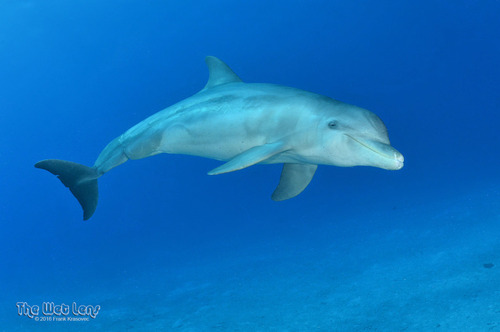

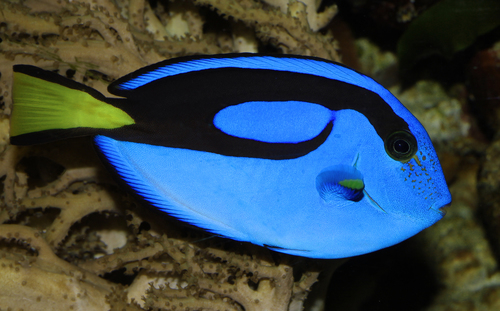
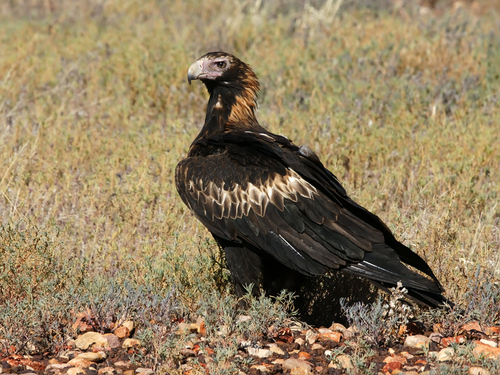
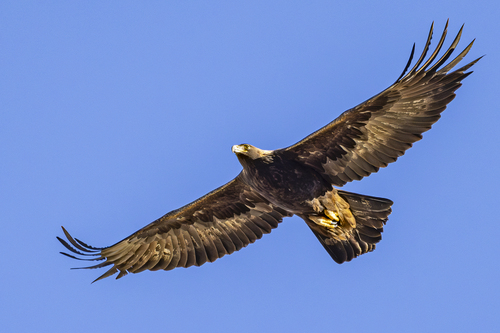

Photographs: iNaturalist contributors under the licences shown. Records: GBIF.org. Historical plates: Source Library (CC BY-SA 4.0; originals public domain). Summary text: Nature Library editors and Wikipedia (CC BY-SA). Medicinal and edibility notes are historical and educational, not advice. iNaturalist taxon 41521.