 NL·0595
Herbarium of the Nature Library
- Name
- Poecile atricapillus
- Family
- Paridae
- Native to
- Alaska, Canada and the northern half of the United States
- Habitat
- Deciduous forest, Mixed forest, Boreal forest edge, Gardens
On eBird ↗
Black-capped Chickadee
Live sightings near you, the range map, bar charts of when it is seen, and Macaulay Library photos and recordings.
Black-capped chickadee
Poecile atricapillus
Also calledCarbonero cabecinegro (Spanish) · Mésange à tête noire (French)
A tiny, fearless black-capped tit that survives northern winters in a body weighing about 11 g. Its namesake call works as a code: the more 'dee' notes, the more dangerous the predator.
The black-capped chickadee is a small, nonmigratory, North American passerine bird that lives in deciduous and mixed forests. It is a member of the Paridae family, also known as tits. It has a distinct black cap on its head, a black bib underneath, and white cheeks. It has a white belly, buff sides, and grey wings, back, and tail. The bird is well known for its vocalizations, including its fee-bee song and its chick-a-dee-dee-dee call, from which it derives its name. Wikipedia
What it can do
- iAdds extra 'dee' notes to its alarm call for smaller, more dangerous predators such as pygmy-owls
- iiCaches thousands of seeds each autumn and remembers their locations
- iiiIts hippocampus — the brain region for spatial memory — gains new neurons in autumn, when caching peaks
- ivLowers its body temperature by about 10 °C on cold nights to save energy (regulated hypothermia)
In the field
Field marks
- aBlack cap and black bib separated by bright white cheeks
- bGrey back; buffy flanks
- cWhite edges to wing coverts and secondaries form a pale wing panel
- dTiny bill; large-headed, round-bodied shape
- Voice
- The familiar 'chick-a-dee-dee-dee'; song a clear, two-note whistle 'fee-bee', the second note lower.
- Not to be confused with
- Carolina Chickadee (south-east) is smaller, shows less white in the wing and sings a four-note 'fee-bee-fee-bay'; the two hybridise where ranges meet. Mountain Chickadee has a white eyebrow; Boreal Chickadee has a brown cap.
- Where to see it
- Any feeder or woodland in the northern US and Canada; very tame birds take seed from the hand at many nature centres.
- When
- Resident year-round
Listen
Looking for field recordings…
Life & habits
- Diet
- Insects, spiders and eggs in summer; seeds and berries in winter
- Habitat
- Deciduous and mixed woodland, willow thickets, parks and gardens
- Size
- 12–15 cm; 9–14 g
- Lifespan
- Usually 2–3 years; banding record about 11 years
In winter it forms the core of mixed-species flocks that nuthatches, kinglets and woodpeckers join for safety.
Where it lives
Recorded sightings
—
geo-referenced records in GBIF, from museums, herbaria and field observers.
Native range
Alaska, Canada and the northern half of the United States
Drag the globe to turn it. Dots are where records exist, not a range map; darker means more records.
In the stacks
Searching the stacks…
Every page naming Poecile atricapillus in the Biodiversity Heritage Library →
Marginalia
It is the state bird of Maine and Massachusetts and the provincial bird of New Brunswick.
Curiosity
Chickadees of other species and even nuthatches respond to black-capped chickadee alarm calls, effectively eavesdropping on its predator warnings.
Kinship
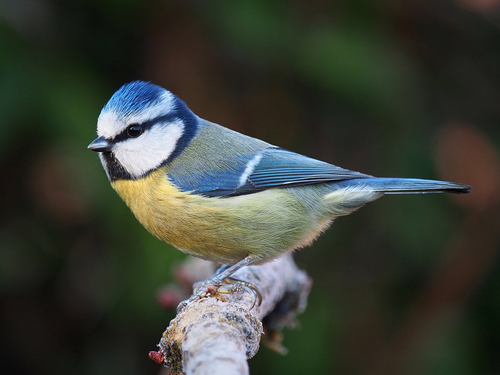
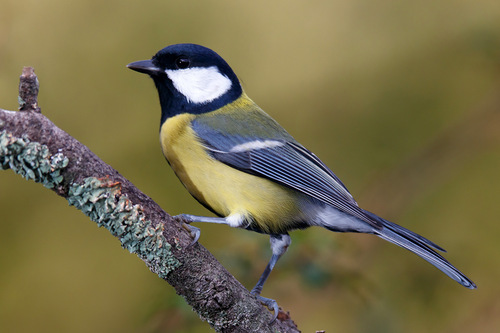



Photographs: iNaturalist contributors under the licences shown. Records: GBIF.org. Historical plates: Source Library (CC BY-SA 4.0; originals public domain). Summary text: Nature Library editors and Wikipedia (CC BY-SA). Medicinal and edibility notes are historical and educational, not advice. iNaturalist taxon 144815.