 NL·0165
Herbarium of the Nature Library
- Name
- Sphagnum palustre
- Family
- Sphagnaceae
- Native to
- Widespread in temperate and boreal regions of the Northern Hemisphere, with records from other continents
- Habitat
- Peat bog, Fen, Wet woodland
Blunt-leaved bog moss (Peat moss)
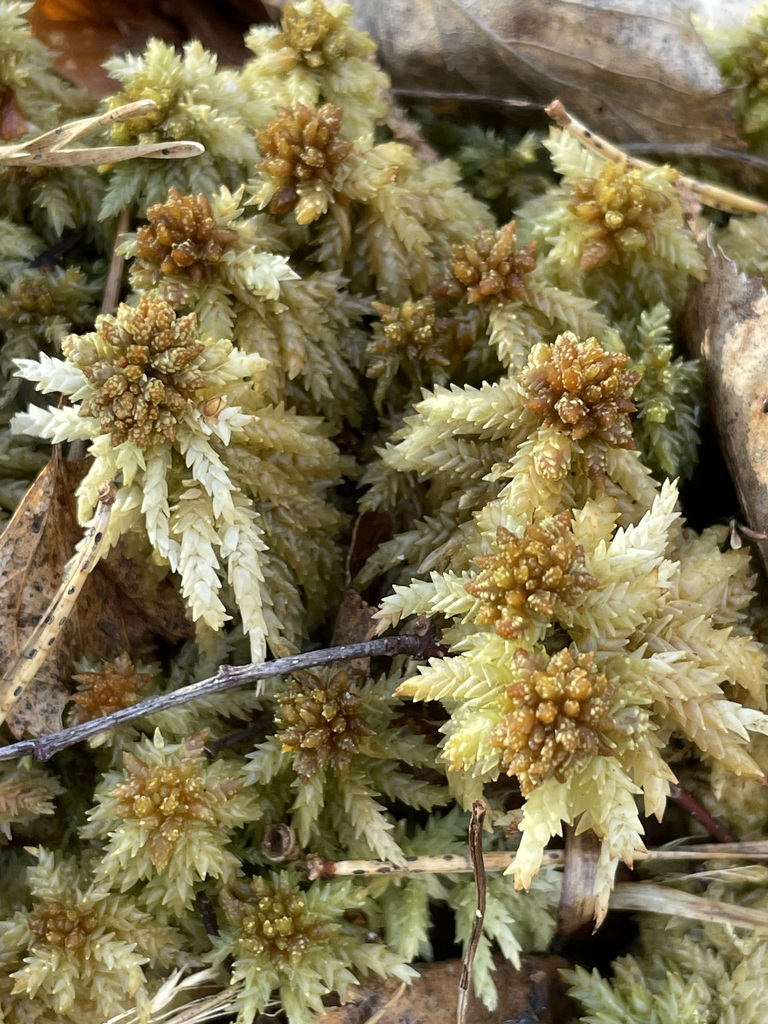
Sphagnum palustre
Also calledTorfmoos (German) · Sphaigne (French) · Musgo de turbera (Spanish) · Mizugoke ミズゴケ (Japanese) · 泥炭藓 nítànxiǎn (Chinese)
A moss that builds landscapes and stores carbon. Sphagnum holds many times its own weight in water in dead, empty cells, acidifies its surroundings, and decays so slowly that its remains pile up as peat. Peatlands cover about 3% of Earth's land but store more carbon than all the world's forests combined.
Sphagnum palustre, the prairie sphagnum or blunt-leaved bogmoss, is a species of peat moss from the genus Sphagnum, in the family Sphagnaceae. Like other mosses of this type it can soak up water up to the 30-fold amount of its own dry weight thanks to its elastic spiral fibers. S. palustre is rather frequent and is spread almost all over the world. It mainly grows in wet forests and—compared to other specimens of this genus—rarely grows in moors. Wikipedia
What it can do
- iHolds up to around 20 times its dry weight in water in large, dead hyaline cells
- iiAcidifies its environment by exchanging hydrogen ions for mineral cations
- iiiBuilds peat that preserves organic matter for thousands of years, including bog bodies such as Tollund Man
- ivFires its spores out of a pressurised capsule, forming a tiny vortex ring that carries them upward
At the table
Not eaten.
In the medicine cabinet
| Tradition | Use |
|---|---|
| Wartime field medicine (WWI) | Dried sphagnum used as absorbent, mildly antiseptic wound dressings by the million |
| Northern Indigenous and European folk practice | Used as nappy lining and menstrual padding |
Weight of evidence
Traditional. Long historical use; little or no modern clinical evidence.
Active compounds
sphagnan (pectin-like polysaccharide), phenolics (sphagnum acid)
Seed
Seed
Spores ~20–40 µm
Spores in a round capsule on a short stalk
- Dispersal
- Explosive capsule launch, then wind
- Germination
- Mostly spreads from fragments; place live strands on wet peat
How to grow it
Hardiness (USDA zones)
USDA 3–8 (outdoors). Survives winters down to about -40 °C.
- Light
- Full sun to light shade
- Water
- Constantly wet; rainwater only
- Soil
- Wet, acidic peat or none
- Propagation
- Fragments
- To harvest
- Covers a tray in a few months
- Climates
- Temperate, Boreal, Oceanic
- 1Spread chopped live strands on wet peat in a tray
- 2Keep wet with rainwater and humid
- 3Give bright light to keep it compact and colourful
- 4Use it as a living top-dressing for carnivorous plants
Can it grow where you are?
Where it lives
Recorded sightings
—
geo-referenced records in GBIF, from museums, herbaria and field observers.
Native range
Widespread in temperate and boreal regions of the Northern Hemisphere, with records from other continents
Drag the globe to turn it. Dots are where records exist, not a range map; darker means more records.
In the old herbals & bestiaries
No plate in the Source Library names this exact species, so these show its closest relatives as the old naturalists drew them: same genus, or the same kind of plant. Click a plate to read the page it came from, with translation.

De medicinali materia libri sex
Relative · Dioscorides · 1552 · p.623

Discourses on the Six Books of Dioscorides
Relative · Dioscorides; Pietro Andrea Mattioli (comm.) · 1568 · p.1375

Compendium of Materia Medica
Relative · 李時珍 · 1596 · p.122

Herbarium Portatile, Oder Behendes Kräuter- und Gewächs-Buch: Darinn nicht allein 1363. so wol Einheimische als Außländndische Kräuter mit Lateinisch und Deutscher Benennung abgebildet, sondern auch die meisten, so in der Medicin gebräuchlich, kürtzlich erkläret werden
Relative · Panckow, Thomas · 1656 · p.43

Herbarium Portatile, Oder Behendes Kräuter- und Gewächs-Buch: Darinn nicht allein 1363. so wol Einheimische als Außländndische Kräuter mit Lateinisch und Deutscher Benennung abgebildet, sondern auch die meisten, so in der Medicin gebräuchlich, kürtzlich erkläret werden
Relative · Panckow, Thomas · 1656 · p.49
In the stacks
Searching the stacks…
Every page naming Sphagnum palustre in the Biodiversity Heritage Library →
Marginalia
Bog acids and sphagnan in Sphagnum peat preserved Iron Age bodies such as Tollund Man (found in Denmark in 1950) in astonishing detail. Peat cut from sphagnum bogs fuelled homes in Ireland, Scotland and the Netherlands for centuries.
Curiosity
High-speed video shows Sphagnum capsules launching spores at about 3.6 m/s, with the spores lifted 10–20 cm by a self-made vortex ring.
Kinship

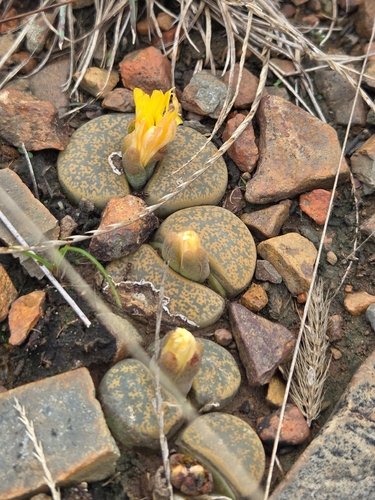
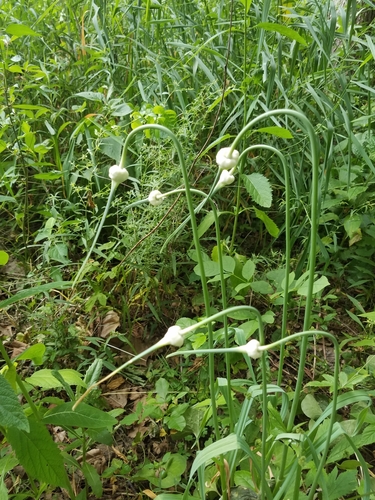
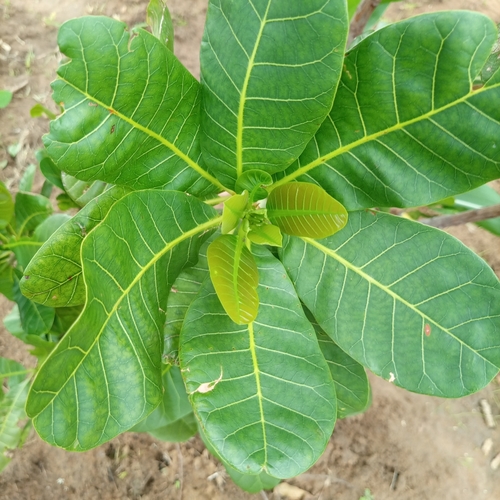
Photographs: iNaturalist contributors under the licences shown. Records: GBIF.org. Historical plates: Source Library (CC BY-SA 4.0; originals public domain). Summary text: Nature Library editors and Wikipedia (CC BY-SA). Medicinal and edibility notes are historical and educational, not advice. iNaturalist taxon 169228.