 NL·0706
Herbarium of the Nature Library
- Name
- Spheniscus humboldti
- Family
- Spheniscidae
- Native to
- Pacific coasts and offshore islands of Peru and Chile
- Habitat
- Rocky coast, Desert islands, Cold upwelling sea
On eBird ↗
Humboldt Penguin
Live sightings near you, the range map, bar charts of when it is seen, and Macaulay Library photos and recordings.
Humboldt penguin
Spheniscus humboldti
Also calledPingüino de Humboldt (Spanish) · Pájaro niño (Spanish, Peru & Chile) · Manchot de Humboldt (French)
A medium-sized penguin of the desert coasts of Peru and Chile, living on the cold, fish-rich Humboldt Current. It once nested in burrows dug into guano deposits metres deep, until 19th-century guano mining stripped them away.
The Humboldt penguin is a medium-sized penguin. It resides in South America, along the Pacific coast of Peru and Chile. Its nearest relatives are the African penguin, the Magellanic penguin and the Galápagos penguin. The Humboldt penguin and the cold water current it swims in are both named after the explorer Alexander von Humboldt. The species is listed as vulnerable by the IUCN with no population recovery plan in place. The current wild population is composed of roughly 23,800 mature individuals and is declining. It is a migrant species. Wikipedia
What it can do
- iThrives on a hot desert coast thanks to bare facial skin that sheds heat
- iiDives repeatedly to catch anchovies and sardines in cold upwelling water
- iiiNests in burrows, caves and crevices to protect eggs from sun
In the field
Field marks
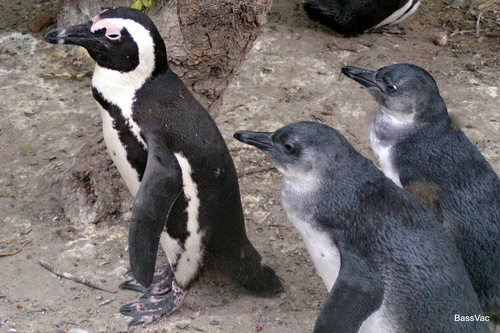
- aBlack back and white front with a single broad black band across the breast
- bWhite C-shaped band from the eye around the cheeks to the throat
- cPink bare skin at the base of the black bill
- dBlack spots scattered on the white belly
- Voice
- Loud, donkey-like braying calls at colonies.
- Not to be confused with
- Magellanic Penguin (overlaps in central Chile) has two black breast bands. Galápagos Penguin is smaller with a thinner face stripe and lives only on the Galápagos.
- Where to see it
- Islas Ballestas (Paracas, Peru), Punta San Juan (Peru), and the Humboldt Penguin National Reserve with Isla Damas and Isla Choros (Chile).
- When
- Resident year-round
Listen
Looking for field recordings…
Life & habits
- Diet
- Anchoveta, sardines, other small fish and squid
- Habitat
- Rocky coasts and islands near the Humboldt Current
- Size
- 56–70 cm; 3.6–5.9 kg
- Lifespan
- About 15–20 years in the wild; over 30 in captivity
Breeding often fails in strong El Niño years, when warm water drives fish away.
Where it lives
Recorded sightings
—
geo-referenced records in GBIF, from museums, herbaria and field observers.
Native range
Pacific coasts and offshore islands of Peru and Chile
Drag the globe to turn it. Dots are where records exist, not a range map; darker means more records.
In the old herbals & bestiaries
No plate in the Source Library names this exact species, so these show its closest relatives as the old naturalists drew them: same genus, or the same kind of animal. Click a plate to read the page it came from, with translation.


In the stacks
Searching the stacks…
Every page naming Spheniscus humboldti in the Biodiversity Heritage Library →
Marginalia
It is named after Alexander von Humboldt, whose name also labels the cold ocean current on which it depends; the guano it nests in was exported as fertiliser in the Peruvian 'Guano Age' of the mid-1800s.
Curiosity
Its Spanish nickname 'pájaro niño', 'child bird', comes from its upright, toddling walk.
Kinship
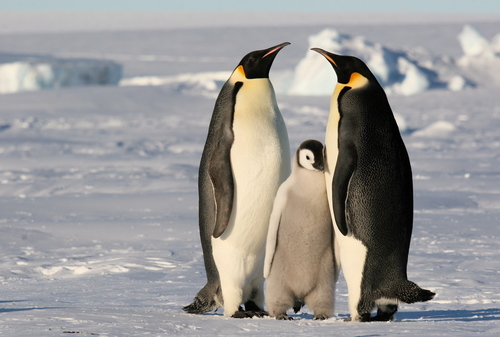
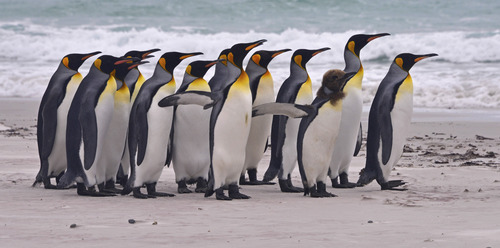
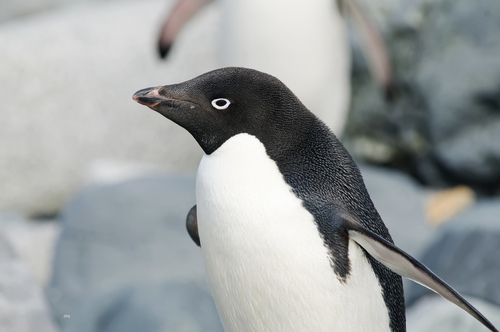
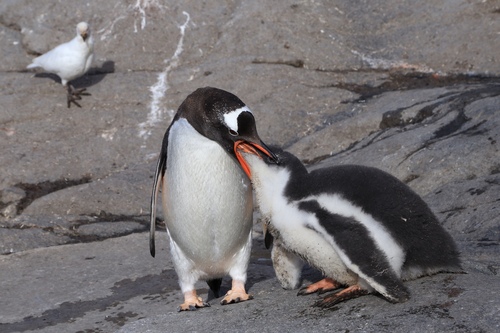

Photographs: iNaturalist contributors under the licences shown. Records: GBIF.org. Historical plates: Source Library (CC BY-SA 4.0; originals public domain). Summary text: Nature Library editors and Wikipedia (CC BY-SA). Medicinal and edibility notes are historical and educational, not advice. iNaturalist taxon 3814.