- Animals
- ›Arthropods
- ›Hexapods
- ›Insects
- ›Winged and Once-winged Insects
- ›True Bugs, Hoppers, Aphids, and allies
- ›Plant-parasitic Hemipterans
- ›Scale Insects
- ›Ornate Pit Scales
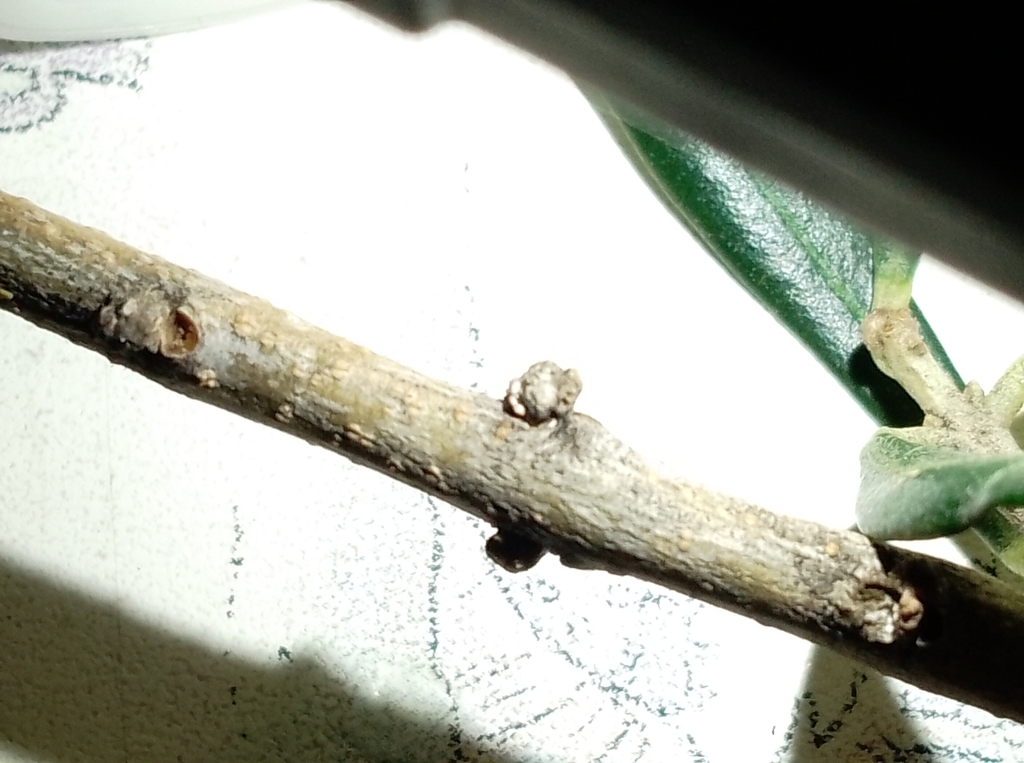
Pollinia
A pollinium (pl.: pollinia) is a coherent mass of pollen grains in a plant that are the product of only one anther, but are transferred, during pollination, as a single unit. This is regularly seen in orchids, which have a complex pollination system, and many species of milkweeds (Asclepiadoideae). Usage of the term differs: in some orchids two masses of pollen are well attached to one another, but in other orchids there are two halves (with two separate viscidia) each of which is sometimes referred to as a pollinium.
Most orchids have waxy pollinia. These are connected to one or two elongate stipes, which in turn are attached to a sticky viscidium, a disc-shaped structure that sticks to a visiting insect.
1 branches of this genus, most-observed first
See this branch on the Wheel of Life →
Where it lives
Recorded sightings
—
geo-referenced records in GBIF, from museums, herbaria and field observers.
Drag the globe to turn it. Dots are where records exist, not a range map; darker means more records.
In the stacks
Searching the stacks…
Every page naming Pollinia in the Biodiversity Heritage Library →
This page is assembled live from iNaturalist, GBIF, Wikipedia, the Source Library and the Internet Archive. It is not yet part of the hand-edited codex. iNaturalist taxon 1018231.