- Plants
- ›Vascular Plants
- ›flowering plants
- ›Dicots
- ›begonias, gourds, and allies
- ›Begonia family
- ›Begonia
- ›Pritzelia
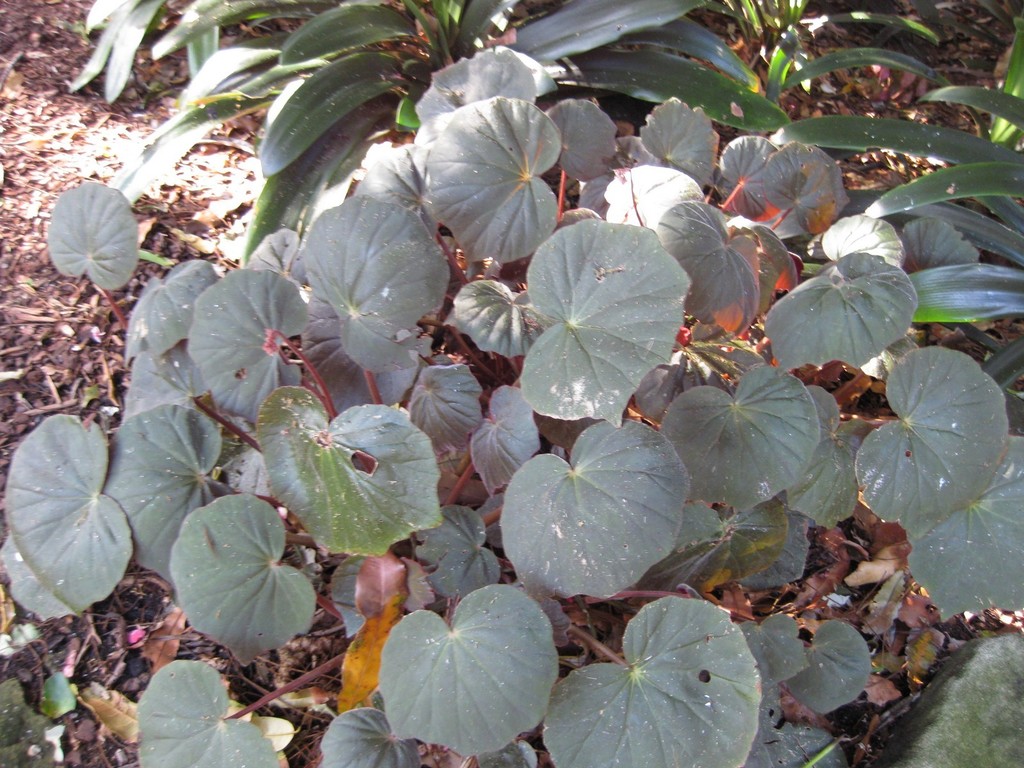
Begonia acetosa
Begonia acetosa is a species of flowering plant in the family Begoniaceae, native to southeastern Brazil. It is used to create new begonia hybrids due to its attractive foliage. Begonia acetosa has been cultivated in the United States since 1946, when Mulford B. Foster introduced the species from forested mountains near Rio de Janeiro. It was first described in 1831 by José Mariano de Conceição Vellozo. The specific epithet acetosa means 'acid' or 'sour', referring to...
Where it lives
Recorded sightings
—
geo-referenced records in GBIF, from museums, herbaria and field observers.
Drag the globe to turn it. Dots are where records exist, not a range map; darker means more records.
In the stacks
Searching the stacks…
Every page naming Begonia acetosa in the Biodiversity Heritage Library →
This page is assembled live from iNaturalist, GBIF, Wikipedia, the Source Library and the Internet Archive. It is not yet part of the hand-edited codex. iNaturalist taxon 1048784.