
Vascular Plants
Tracheophyta
Vascular plants (from Latin vasculum 'duct'), also called tracheophytes (/trəˈkiː.əˌfaɪts/) or collectively Tracheophyta (from Ancient Greek τραχεῖα ἀρτηρία (trakheîa artēría) 'windpipe', and φυτά (phutá) 'plants'), form a large group of land plants (c. 300,000 accepted known species) that have lignified tissues (the xylem) for conducting water and minerals throughout the plant. They also have a specialized non-lignified tissue (the phloem) to conduct products of photosynthesis. Vascular plants include the clubmosses, horsetails, ferns, gymnosperms (including conifers) and angiosperms...
8 branches of this phylum, most-observed first

flowering plants
subphylumAngiospermae
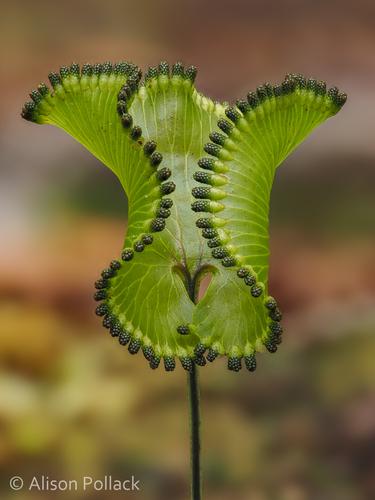
Ferns
classPolypodiopsida

conifers
classPinopsida

Lycophytes
classLycopodiopsida

Cycads
classCycadopsida

gnetophytes
classGnetopsida

ginkgos
classGinkgoopsida
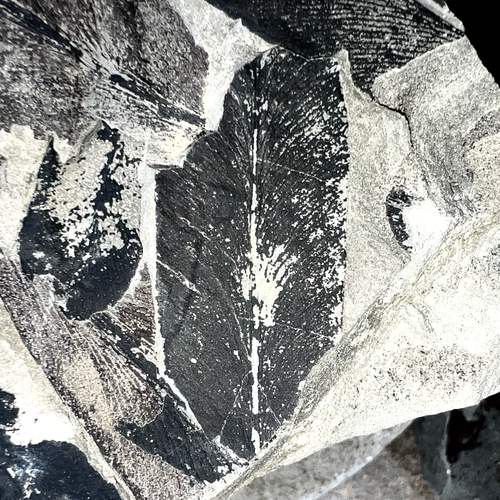
Glossopteridales
orderGlossopteridales
Where it lives
Recorded sightings
—
geo-referenced records in GBIF, from museums, herbaria and field observers.
Drag the globe to turn it. Dots are where records exist, not a range map; darker means more records.
In the stacks
Searching the stacks…
Every page naming Tracheophyta in the Biodiversity Heritage Library →
This page is assembled live from iNaturalist, GBIF, Wikipedia, the Source Library and the Internet Archive. It is not yet part of the hand-edited codex. iNaturalist taxon 211194.