- Animals
- ›Arthropods
- ›Crustaceans
- ›Typical Crustaceans
- ›Malacostracans
- ›Decapods, Isopods, and allies
- ›Amphipods, Isopods, and Allies
- ›Isopods
- ›Seapills and allies
- ›Seroloidea
- ›Serolidae
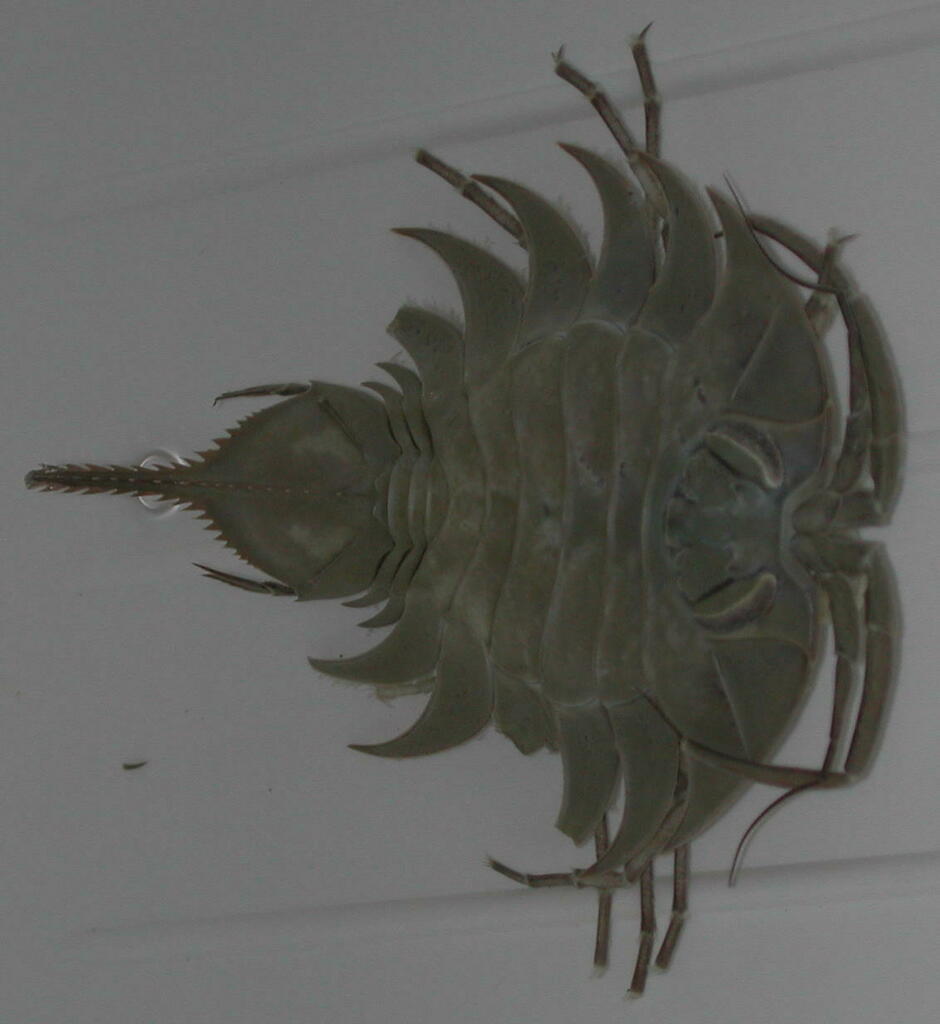
Ceratoserolis
Ceratoserolis is a genus of isopods in the family Serolidae from the Southern Ocean around Antarctica and some Sub-Antarctic Islands. They prefer to live on soft bottoms and range of least between 24 and 950 m (80–3,120 ft) in depth. They are superficially similar to the unrelated, extinct trilobites (hence the specific name trilobitoides for the first described species) and reach up to about 8 cm (3.1 in) in length. They were once considered to be part of the genus Serolis and for a long time only Ceratoserolis trilobitoides was recognized. The validity of the other species has been disputed, but there are some morphological and genetic differences between them and C. trilobitoides, and there are indications that additional, currently unrecognized species of Ceratoserolis exist.
Because Ceratoserolis are widespread, locally abundant and relatively large for isopods, they have often been studied and used as model organism for the Antarctic region. They are slow-maturing, only breed once in their life, and the eggs and young are brooded for an extended period—almost two years—in the female's marsupium. As is typical of Antarctic isopods, there is no pelagic larval stage.
2 branches of this genus, most-observed first
Ceratoserolis trilobitoides
speciesCeratoserolis trilobitoides
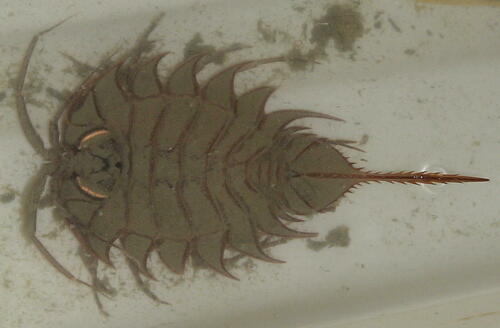
Ceratoserolis meridionalis
speciesCeratoserolis meridionalis
Where it lives
Recorded sightings
—
geo-referenced records in GBIF, from museums, herbaria and field observers.
Drag the globe to turn it. Dots are where records exist, not a range map; darker means more records.
In the stacks
Searching the stacks…
Every page naming Ceratoserolis in the Biodiversity Heritage Library →
This page is assembled live from iNaturalist, GBIF, Wikipedia, the Source Library and the Internet Archive. It is not yet part of the hand-edited codex. iNaturalist taxon 1118656.