- Plants
- ›Vascular Plants
- ›flowering plants
- ›Dicots
- ›Waterlilies, Fanworts, and Allies
- ›Waterlily Family
- ›Nymphaea
- ›Hydrocallis
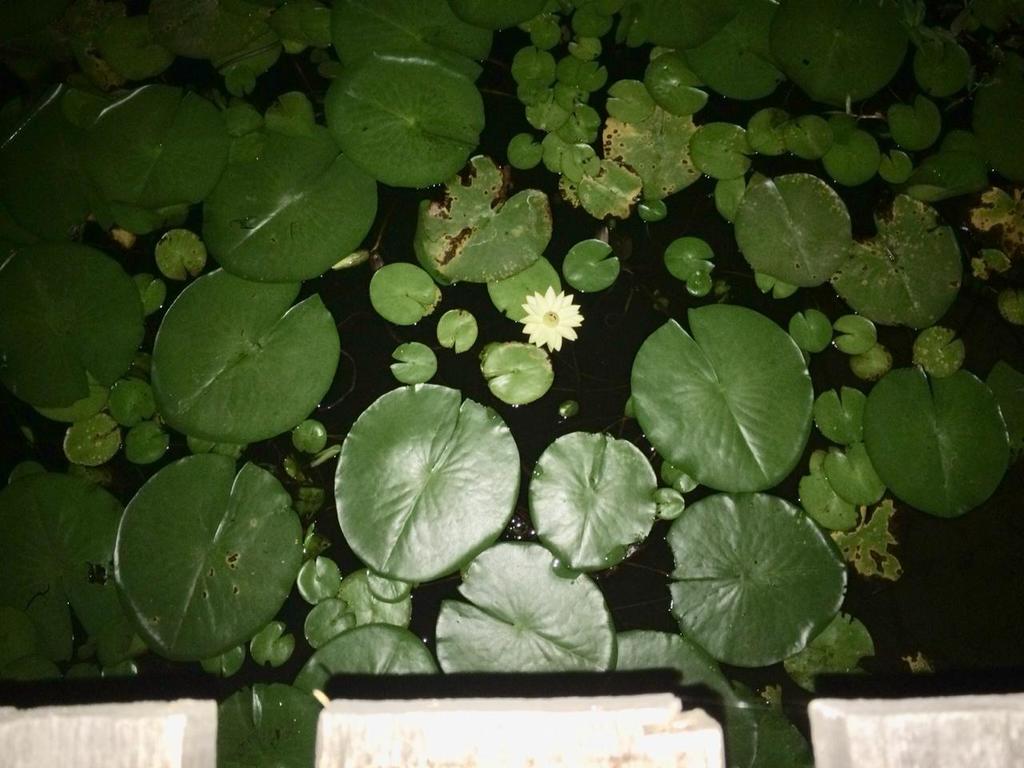
Nymphaea lasiophylla
Nymphaea lasiophylla is a species of waterlily native to East Brazil. It has also been introduced to the Venezuelan Antilles.
From the article Nymphaea lasiophylla on Wikipedia (CC BY-SA), quoted section by section
Range & habitat
Nymphaea lasiophylla is found growing in temporary bodies of water along roadsides, in depressions in arid climate regions, in coastal lagoons, in artificial ponds, and in stagnant waters. Populations of Nymphaea lasiophylla have the ability to persist in and dominate temporary aquatic habitats. It occurs sympatrically with Nymphaea vanildae.
Wikipedia: “Habitat”
What it does
Both stolons and proliferating pseudanthia are present. Nymphaea lasiophylla forms 1-2 secondary proliferating pseudanthia. They are the main mode of reproduction in this species. The tubers, which often develop leaves and roots prior to their detachment, break off easily from the proliferating pseudanthia. They briefly float in the water and grow into new plants elsewhere.
Wikipedia: “Vegetative reproduction”
In human culture
The specific epithet lasiophylla means woolly-leaved. However, the name is misleading, as the authors mistook a layer of algae as trichomes.
Wikipedia: “Etymology”
Where it lives
Recorded sightings
—
geo-referenced records in GBIF, from museums, herbaria and field observers.
Drag the globe to turn it. Dots are where records exist, not a range map; darker means more records.
In the stacks
Searching the stacks…
Every page naming Nymphaea lasiophylla in the Biodiversity Heritage Library →
This page is assembled live from iNaturalist, GBIF, Wikipedia, the Source Library and the Internet Archive. It is not yet part of the hand-edited codex. iNaturalist taxon 1151724.