- Plants
- ›Vascular Plants
- ›flowering plants
- ›Dicots
- ›Mints, Plantains, Olives, and Allies
- ›Mint Family
- ›Nepetoideae
- ›Mentheae
- ›balms, mints, and thymes
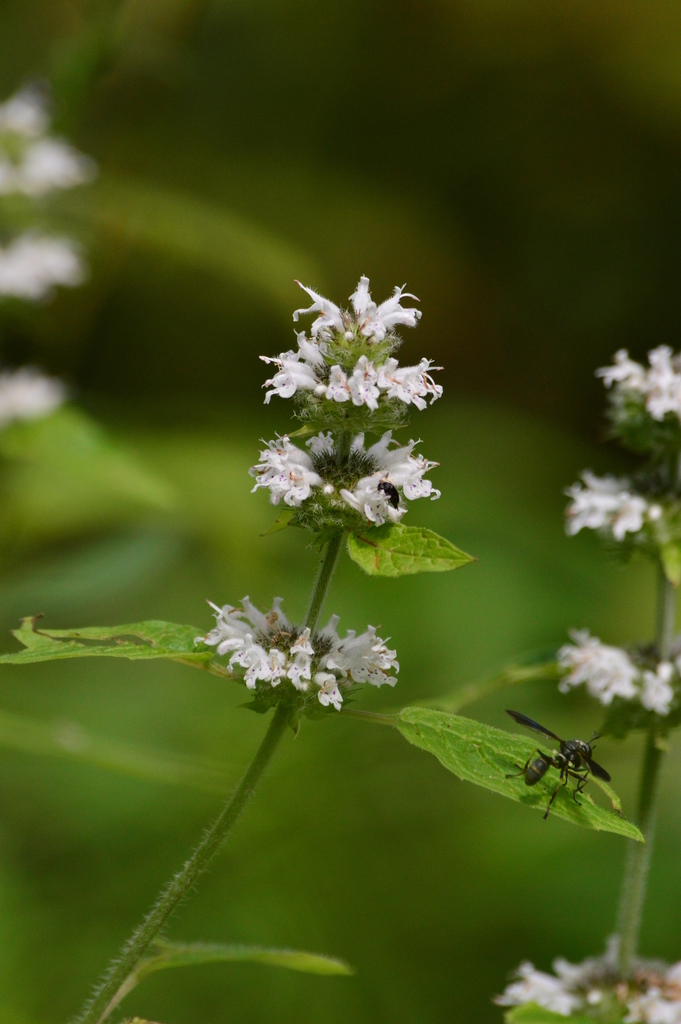
wood mints
Blephilia
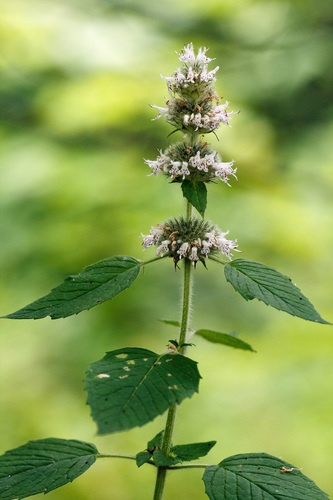
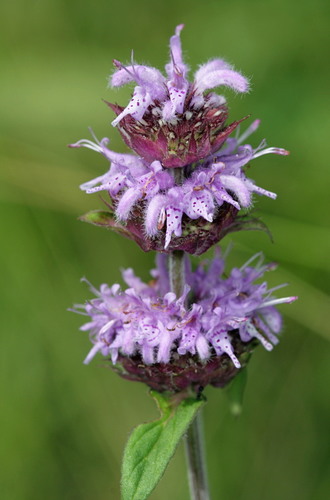
Blephilia, the pagoda plant or wood mint, is a genus of four species of flowering plants in the family Lamiaceae. They are all herbaceous plants native to eastern North America. Blephilia are most often found in open areas, glades, and mesic forests. All species of Blephilia are considered threatened or endangered in some states.
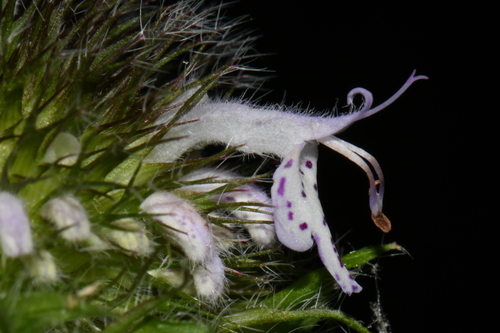
The genus includes only perennial species that spread by both seeds and through stem division. Small white to purple-lavender flowers occur in inflorescences that cluster in the upper leaf axils, often in several circular layers (hence the common name pagoda-plant). Leaves are generally lanceolate to ovate and vary in shades of green. Leaves are either petiolate or subsessile (depending on the species). Like many other members of the subtribe Menthinae, all parts of Blephilia are highly aromatic when crushed and have smells similar to menthol and spearmint.

Where it lives
Recorded sightings
—
geo-referenced records in GBIF, from museums, herbaria and field observers.
Drag the globe to turn it. Dots are where records exist, not a range map; darker means more records.
In the stacks
Searching the stacks…
Every page naming Blephilia in the Biodiversity Heritage Library →
This page is assembled live from iNaturalist, GBIF, Wikipedia, the Source Library and the Internet Archive. It is not yet part of the hand-edited codex. iNaturalist taxon 120896.