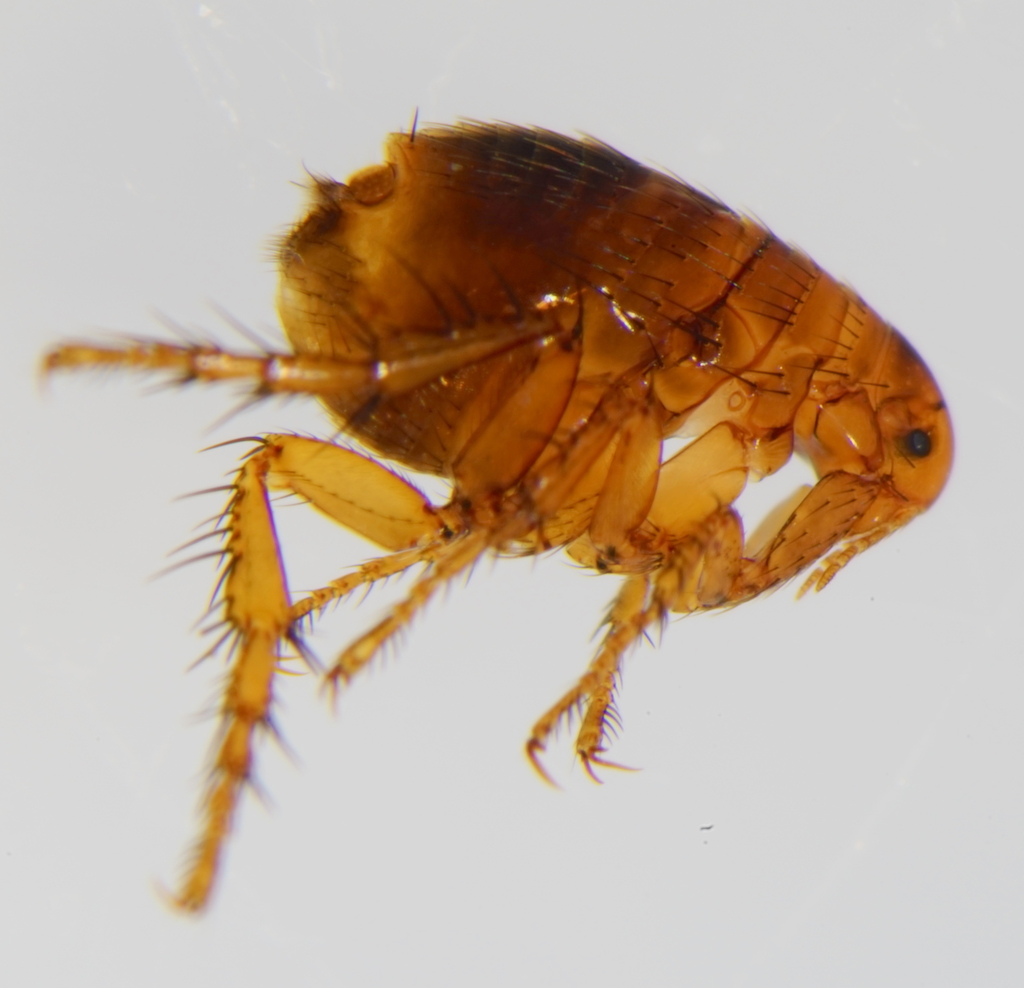
Common Fleas
Pulicidae
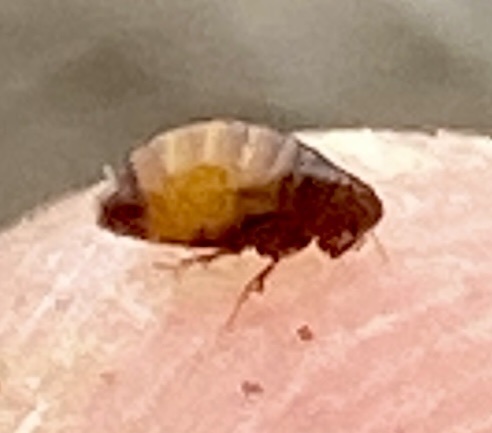
The Pulicidae are a flea family in the order Siphonaptera. Currently, this family has 181 species in 27 genera. Of these, 16 are known from North America.
Like all 2,500 Siphonaptera, the Pulicidae are ectoparasites. These fleas are wingless, laterally flattened, and great jumpers. They must be able to jump quickly and at great relative heights in order to latch onto their host for feeding and for rapid escape from their host. They make incredible jumps using the protein, resilin. It charges the energy in their body, allowing more forceful and frequent jumps than would be possible relying on only their muscles. This also means that they can jump frequently without exhausting their muscles. They mainly feed on mammal blood, and many Siphonoptera families, including Pulicidae, transmit disease.
17 branches of this family, most-observed first

Ctenocephalides
genusCtenocephalides
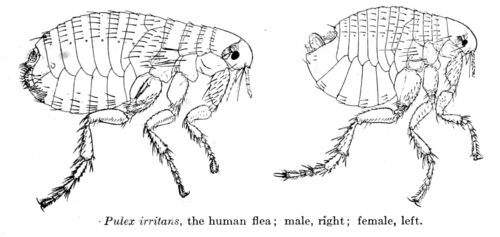
Pulex
genusPulex
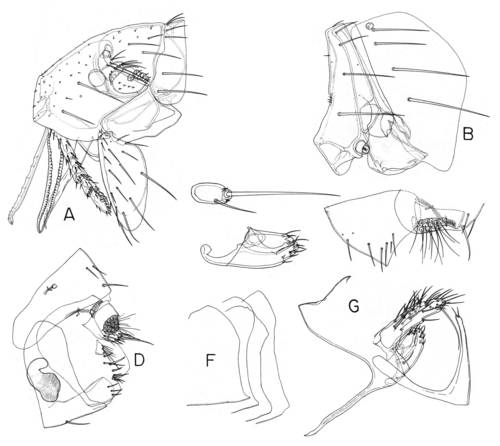
Stick-tight Fleas
genusEchidnophaga

Spilopsyllus
genusSpilopsyllus

bubonic plague fleas
genusXenopsylla

Archaeopsylla
genusArchaeopsylla
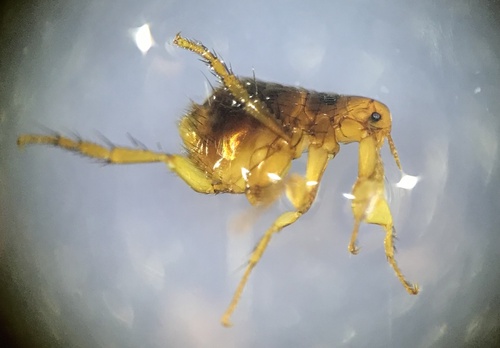
Euhoplopsyllus
genusEuhoplopsyllus
Ornithopsylla
genusOrnithopsylla
Actenopsylla
genusActenopsylla
Pariodontis
genusPariodontis
Hoplopsyllus
genusHoplopsyllus
Procaviopsylla
genusProcaviopsylla
Synosternus
genusSynosternus
Moeopsylla
genusMoeopsylla
Neotunga
genusNeotunga
Phacopsylla
genusPhacopsylla
Euchoplopsyllus
genusEuchoplopsyllus
Where it lives
Recorded sightings
—
geo-referenced records in GBIF, from museums, herbaria and field observers.
Drag the globe to turn it. Dots are where records exist, not a range map; darker means more records.
In the stacks
Searching the stacks…
Every page naming Pulicidae in the Biodiversity Heritage Library →
This page is assembled live from iNaturalist, GBIF, Wikipedia, the Source Library and the Internet Archive. It is not yet part of the hand-edited codex. iNaturalist taxon 122216.