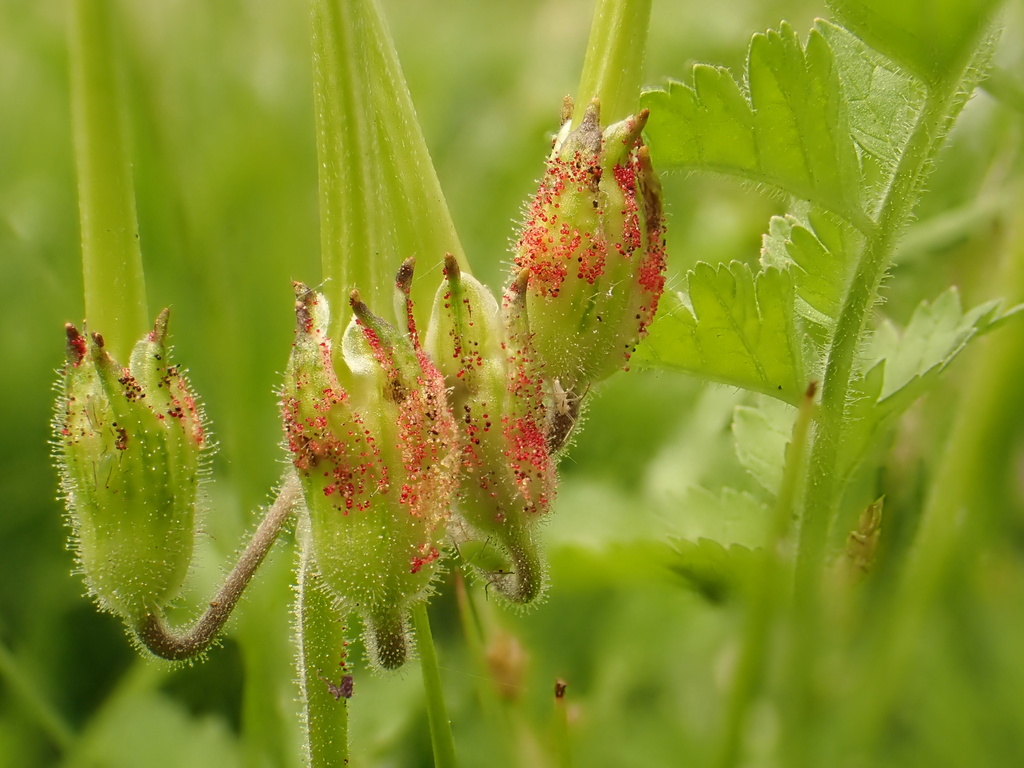
Chytrids
Chytridiomycota
Chytridiomycota are a division of zoosporic organisms in the kingdom Fungi, informally known as chytrids. The name is derived from the Ancient Greek χυτρίδιον (khutrídion), meaning "little pot", describing the structure containing unreleased zoospores. Chytrids are one of the earliest diverging fungal lineages, and their membership in kingdom Fungi is demonstrated with chitin cell walls, a posterior whiplash flagellum, absorptive nutrition, use of glycogen as an energy storage compound, and synthesis of lysine by the α-amino adipic acid (AAA) pathway.
Chytrids are saprobic, degrading refractory materials such as chitin and keratin, and sometimes act as parasites. There has been a significant increase in the research of chytrids since the discovery of Batrachochytrium dendrobatidis, the causal agent of chytridiomycosis.
15 branches of this phylum, most-observed first
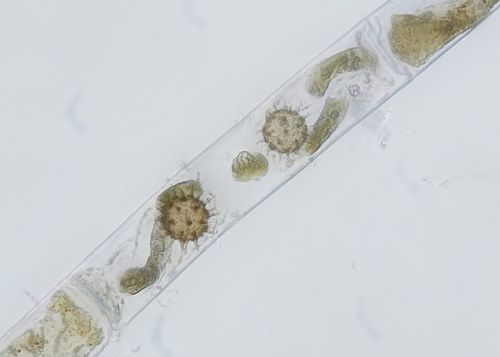
Synchytriomycetes
classSynchytriomycetes
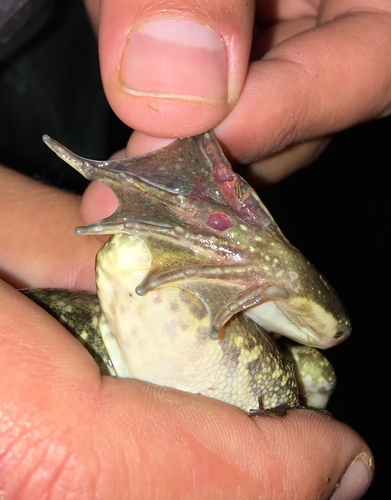
Rhizophydiomycetes
classRhizophydiomycetes

Chytridiomycetes
classChytridiomycetes
Rhizophlyctidomycetes
classRhizophlyctidomycetes
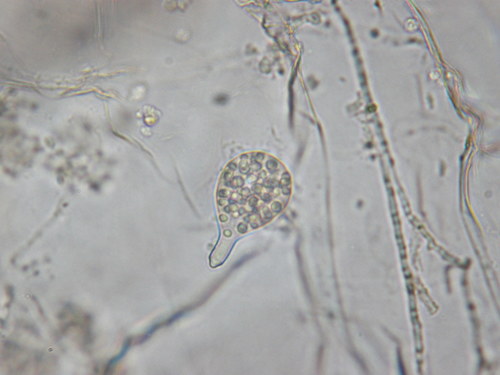
Cladochytriomycetes
classCladochytriomycetes
Coenomyces
genusCoenomyces
Caulochytriomycetes
classCaulochytriomycetes
Spizellomycetes
classSpizellomycetes
Lobulomycetes
classLobulomycetes
Mesochytriomycetes
classMesochytriomycetes
Polychytriomycetes
classPolychytriomycetes
Aquieurochytriomycetes
classAquieurochytriomycetes
Edaphochytriomycetes
classEdaphochytriomycetes
Tibetochytriomycetes
classTibetochytriomycetes
Tropicochytriomycetes
classTropicochytriomycetes
Where it lives
Recorded sightings
—
geo-referenced records in GBIF, from museums, herbaria and field observers.
Drag the globe to turn it. Dots are where records exist, not a range map; darker means more records.
In the stacks
Searching the stacks…
Every page naming Chytridiomycota in the Biodiversity Heritage Library →
This page is assembled live from iNaturalist, GBIF, Wikipedia, the Source Library and the Internet Archive. It is not yet part of the hand-edited codex. iNaturalist taxon 125609.