
Fungi Including Lichens
Fungi
A fungus (pl.: fungi or funguses) is any member of the group of eukaryotic organisms that includes yeasts, molds, and mushrooms. These organisms are classified in the biological kingdom Fungi.
A characteristic that places fungus in a different kingdom from plants, bacteria, and some protists is having chitin in their cell walls. Fungi, like animals, are heterotrophs: they acquire their nutrition by absorbing dissolved organic molecules, typically by secreting digestive enzymes into their environment. A fungus does not perform photosynthesis. Growth is their means of motility, except for spores (a few of which are flagellated), which may travel through the air or water. Fungi are the principal decomposers in ecological systems. These and other differences place fungi in a single group of related organisms, named the Eumycota (true fungi or Eumycetes), that share a common ancestor (i.e. they form a monophyletic group), an interpretation that is also strongly supported by molecular phylogenetics. This fungal group is distinct from the structurally similar myxomycetes (slime molds) and oomycetes (water molds). The discipline of biology devoted to the study of fungi is called mycology (from the Greek μύκης, mykes 'mushroom'). In the past, mycology was regarded as a branch of botany, although it is now known that fungi are genetically more closely related to animals than to plants.
20 branches of this kingdom, most-observed first
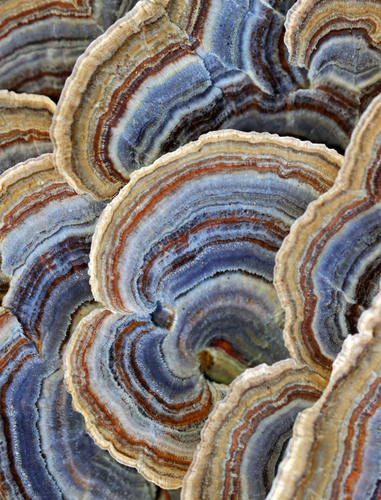
Basidiomycete Fungi
phylumBasidiomycota

Ascomycete Fungi
phylumAscomycota
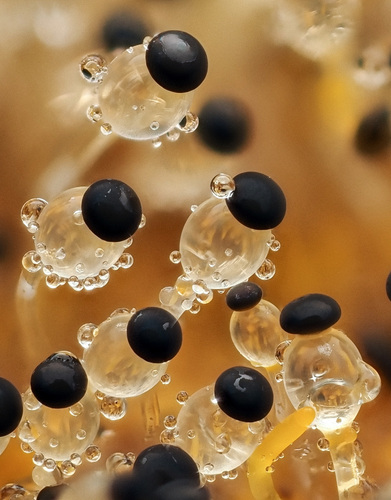
Mucoromycota
phylumMucoromycota
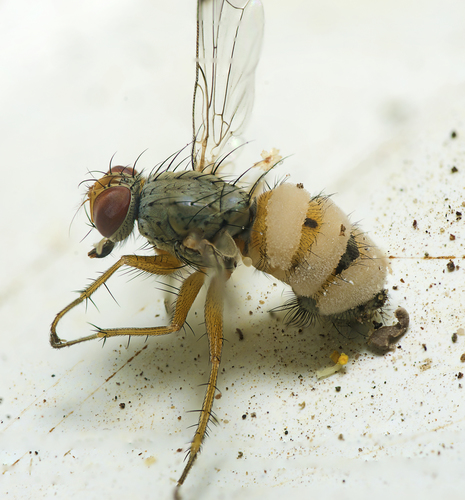
Entomophthoromycota
phylumEntomophthoromycota

Chytrids
phylumChytridiomycota

Glomeromycetes
phylumGlomeromycota

Blastocladiomycota
phylumBlastocladiomycota
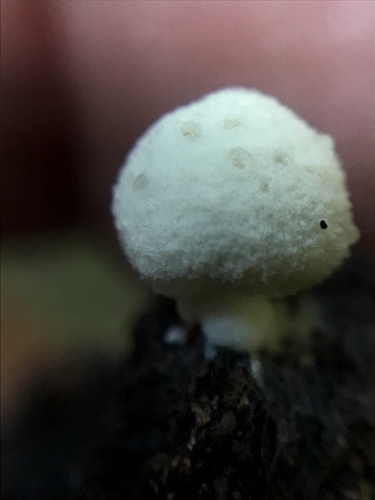
Mortierellomycota
phylumMortierellomycota

Cryptomycota
phylumCryptomycota
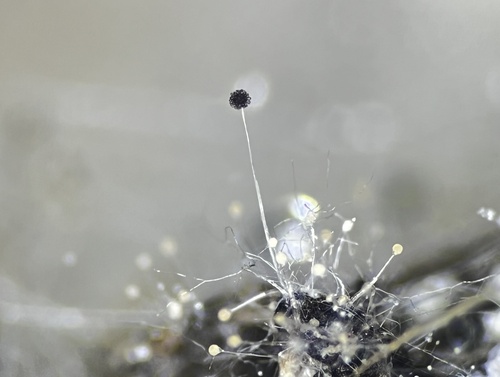
Zoopagomycota
phylumZoopagomycota
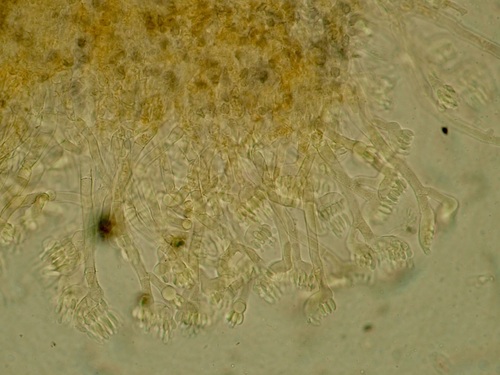
Kickxellomycota
phylumKickxellomycota
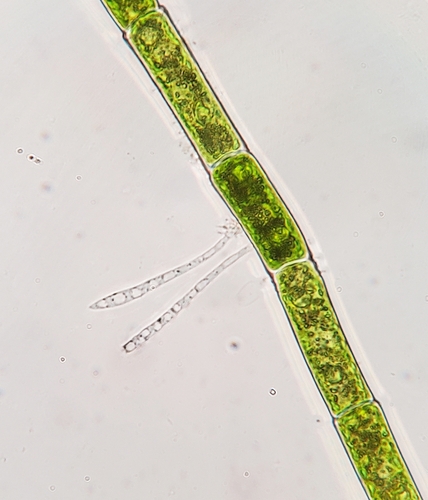
Monoblepharomycota
phylumMonoblepharomycota

Basidiobolomycota
phylumBasidiobolomycota
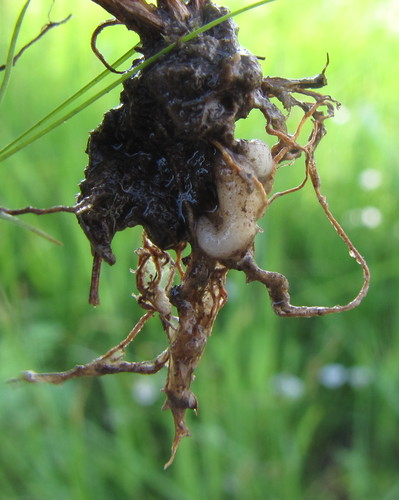
Entorrhizomycota
phylumEntorrhizomycota

Prototaxites
genusPrototaxites
Calcarisporiellomycota
phylumCalcarisporiellomycota
Olpidiomycota
phylumOlpidiomycota
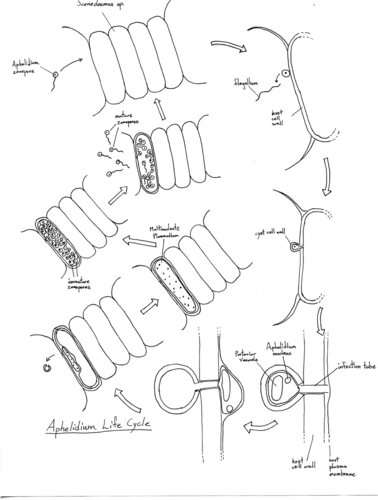
Aphelidiomycota
phylumAphelidiomycota
Nematovomycota
phylumNematovomycota
Neocallimastigomycota
phylumNeocallimastigomycota
Where it lives
Recorded sightings
—
geo-referenced records in GBIF, from museums, herbaria and field observers.
Drag the globe to turn it. Dots are where records exist, not a range map; darker means more records.
In the old herbals & bestiaries

Selecta Fungorum Carpologia, Vol 1
Louis-René & Charles Tulasne · 1861 · p.341

Selecta Fungorum Carpologia, Vol 2
Louis-René & Charles Tulasne · 1863 · p.251

Selecta Fungorum Carpologia, Vol 2
Louis-René & Charles Tulasne · 1863 · p.238

Coloured Figures of English Fungi or Mushrooms
James Sowerby · 1797 · p.730

Selecta Fungorum Carpologia, Vol 2
Louis-René & Charles Tulasne · 1863 · p.254

Treatise on the Ferns of America
Charles Plumier · 1705 · p.517

New Genera of Plants
Pier Antonio Micheli · 1729 · p.388

Selecta Fungorum Carpologia, Vol 1
Louis-René & Charles Tulasne · 1861 · p.375

Selecta Fungorum Carpologia, Vol 1
Louis-René & Charles Tulasne · 1861 · p.372

Methodical Synopsis of Fungi
Christiaan Hendrik Persoon · 1801 · p.749

Rariorum Plantarum Historia (with Fungorum Historia)
Carolus Clusius · 1601 · p.649

History of the Fungi of the Rimini Territory
Giovanni Antonio Battarra · 1755 · p.95
In the stacks
Searching the stacks…
Every page naming Fungi in the Biodiversity Heritage Library →
This page is assembled live from iNaturalist, GBIF, Wikipedia, the Source Library and the Internet Archive. It is not yet part of the hand-edited codex. iNaturalist taxon 47170.