- Animals
- ›Molluscs
- ›Gastropods
- ›Heterobranchs
- ›Euthyneura
- ›Tectipleura
- ›Eupulmonata
- ›Common Land Snails and Slugs
- ›Achatininan Snails
- ›Achatinoidea
- ›Giant Land Snails
- ›Rumininae
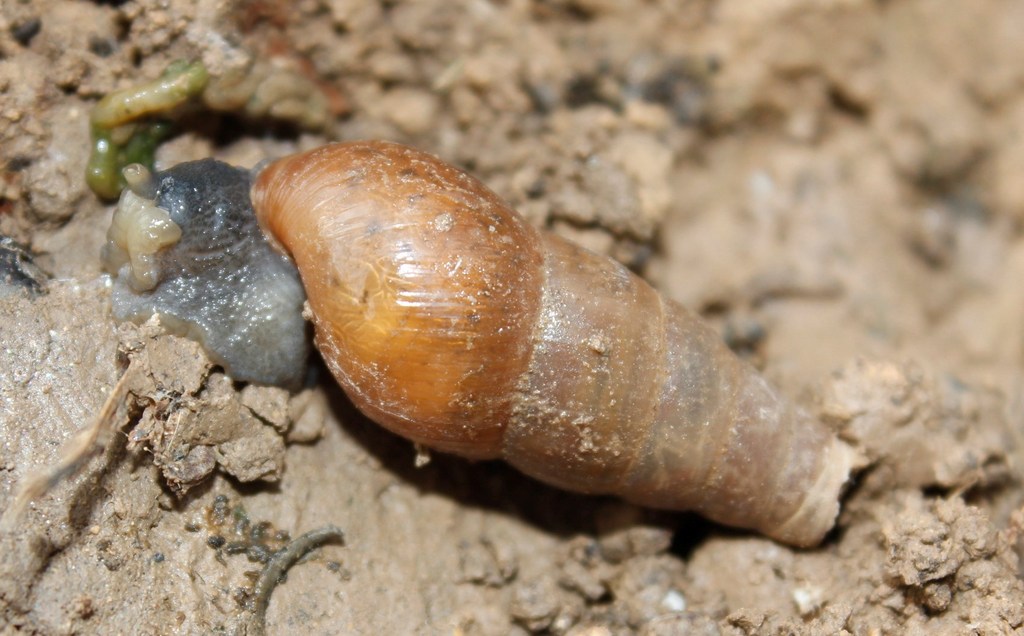
Rumina
In ancient Roman religion, Rumīna, Rumilia or Rumia, also known as Dīva Rumīna, was a goddess who protected breastfeeding mothers, and possibly nursing infants. Her domain extended to protecting animal mothers, not just human ones. As one of the indigitamenta, Rumina lacked the elaborate mythology and personality of later Roman deities, and was instead a more abstract, numinous entity.
Rumina's temple was near the Ficus Ruminalis, the fig tree at the foot of the Palatine Hill where Romulus and Remus were raised by a she-wolf. Milk, rather than the typical wine, was offered as a sacrifice at this temple. In AD 58, the tree started to die, which was interpreted as a bad omen.
3 branches of this genus, most-observed first
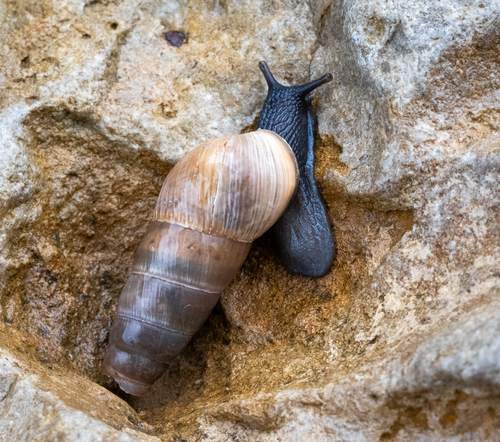
Decollate Snail
speciesRumina decollata

Saharan Decollate Snail
speciesRumina saharica
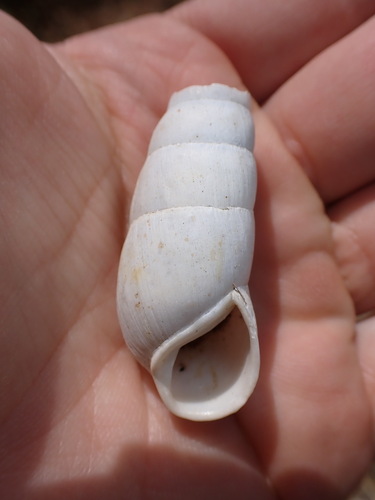
Rumina paivae
speciesRumina paivae
Where it lives
Recorded sightings
—
geo-referenced records in GBIF, from museums, herbaria and field observers.
Drag the globe to turn it. Dots are where records exist, not a range map; darker means more records.
In the old herbals & bestiaries


In the stacks
Searching the stacks…
Every page naming Rumina in the Biodiversity Heritage Library →
This page is assembled live from iNaturalist, GBIF, Wikipedia, the Source Library and the Internet Archive. It is not yet part of the hand-edited codex. iNaturalist taxon 125670.