- Plants
- ›Vascular Plants
- ›flowering plants
- ›Dicots
- ›Roses, Elms, Figs, and Allies
- ›rose family
- ›Amygdaloideae
- ›Maleae
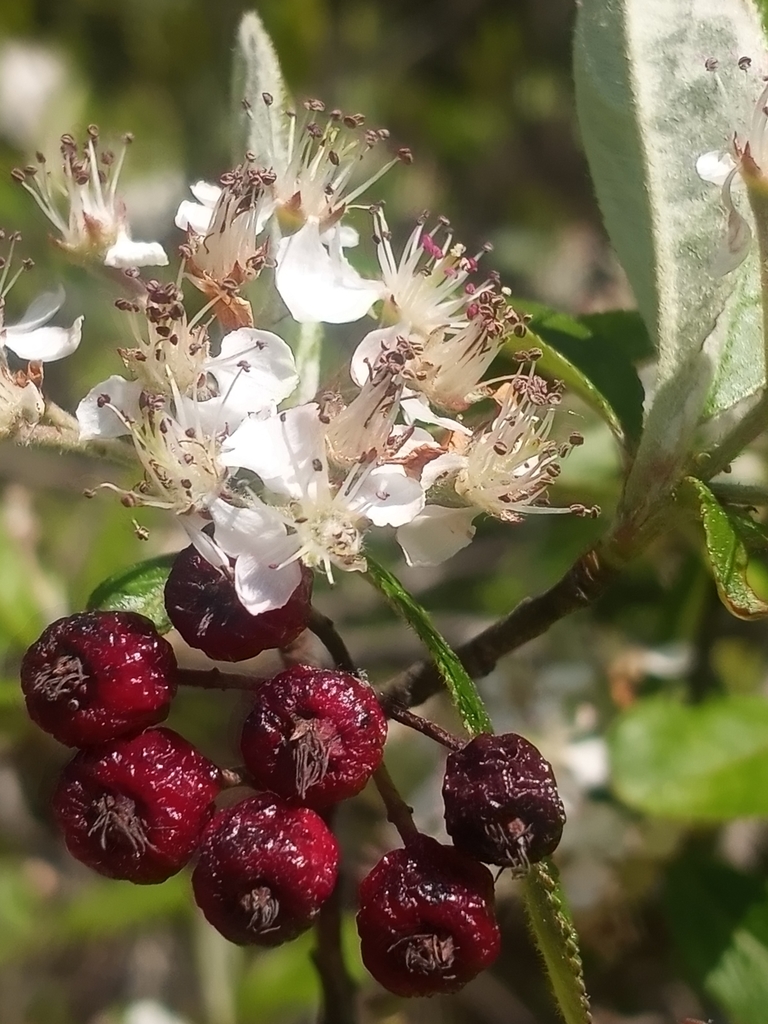
chokeberries
Aronia
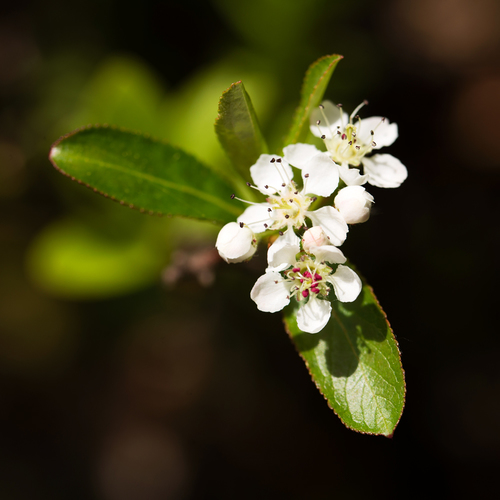
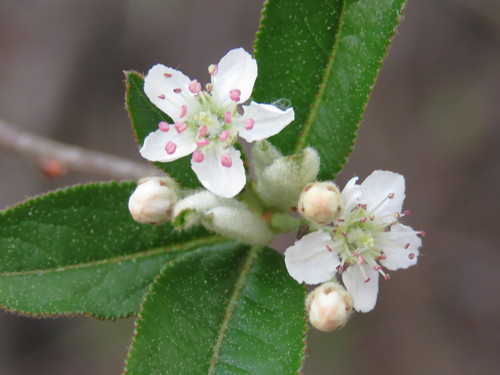
Aronia is a genus of deciduous shrubs, the chokeberries, in the family Rosaceae native to eastern North America and most commonly found in wet woods and swamps. The genus Aronia is considered to have 3 species. The most common and widely used is Aronia melanocarpa (black chokeberry) which emerged from Eastern North America. The lesser known Aronia arbutifolia (red chokeberry) and the hybrid form of the above mentioned species called Aronia prunifolia (purple chokeberry) were first cultivated in Central and Eastern North America. In the eighteenth century, the first shrubs of the best-known species Aronia melanocarpa reached Europe where they were first cultivated in Scandinavia and Russia.
Chokeberries are cultivated as an ornamental plant and as a food plant. The bitter berries, or aronia berries, can be eaten fresh off the bush, but are more frequently processed. They can be used to make wine, jam, syrup, juice, soft spreads, tea, salsa, extracts, beer, ice cream, gummies, and tinctures. The name "chokeberry" comes from the astringency of the fruits, which create the sensation of making one's mouth pucker.


Where it lives
Recorded sightings
—
geo-referenced records in GBIF, from museums, herbaria and field observers.
Drag the globe to turn it. Dots are where records exist, not a range map; darker means more records.
In the old herbals & bestiaries


In the stacks
Searching the stacks…
Every page naming Aronia in the Biodiversity Heritage Library →
This page is assembled live from iNaturalist, GBIF, Wikipedia, the Source Library and the Internet Archive. It is not yet part of the hand-edited codex. iNaturalist taxon 128799.