- Plants
- ›Vascular Plants
- ›flowering plants
- ›Dicots
- ›Soapberries, Cashews, Mahoganies, and Allies
- ›soapberry family
Blighia
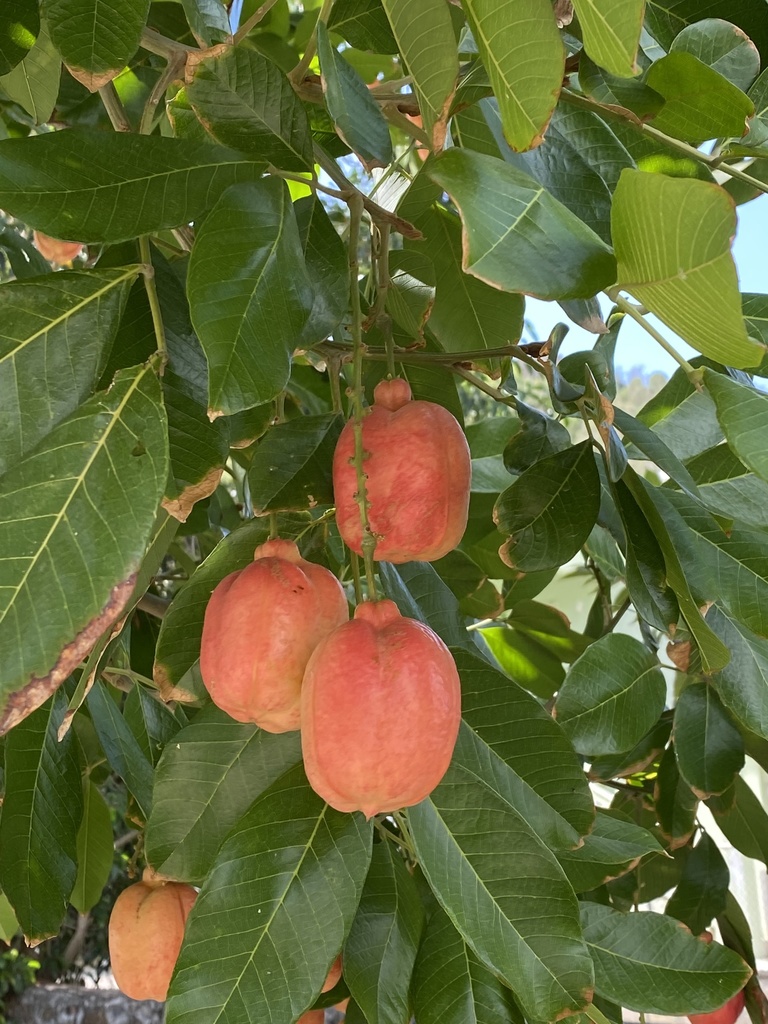
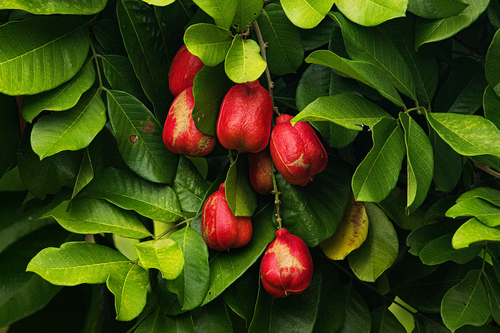
Blighia is a genus of three species of flowering plants in the soapberry family, Sapindaceae. They are trees or large shrubs native to tropical Africa from Guinea east to Kenya, and south to Angola and KwaZulu-Natal. The fruit is partly edible, with the Ackee (B. sapida) being grown commercially for fruit production. The genus is named for Captain William Bligh (formerly of HMS Bounty), who brought samples back to England.
The species are evergreen trees growing to 10–20 metres (33–66 ft) tall, with pinnate leaves. The flowers are produced in small panicles. The fruit is an oval capsule 4–8 centimetres (2–3 in) long containing three seeds, each surrounded by an edible fleshy yellow aril, and a thick, leathery orange or red skin; the fruit apart from the aril is very poisonous.
3 branches of this genus, most-observed first
Ackee
speciesBlighia sapida

triangle-tops
speciesBlighia unijugata
Blighia welwitschii
speciesBlighia welwitschii
Where it lives
Recorded sightings
—
geo-referenced records in GBIF, from museums, herbaria and field observers.
Drag the globe to turn it. Dots are where records exist, not a range map; darker means more records.
In the stacks
Searching the stacks…
Every page naming Blighia in the Biodiversity Heritage Library →
This page is assembled live from iNaturalist, GBIF, Wikipedia, the Source Library and the Internet Archive. It is not yet part of the hand-edited codex. iNaturalist taxon 132907.