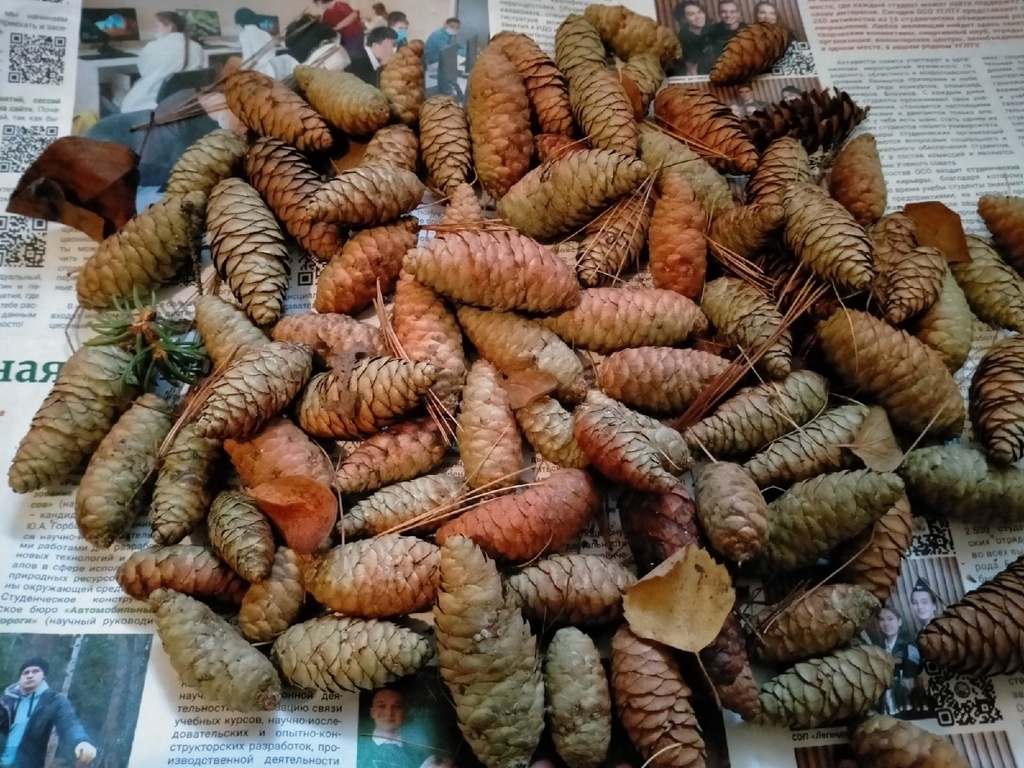
orange spruce
Picea aurantiaca
Picea aurantiaca is a species of conifer in the pine family, Pinaceae. It is endemic to China, where it is only known from western Sichuan. Its common name is orange spruce. The tree is generally 30-40 meters tall with leaves that are dark green on the top and have white lines present on the underside. the mature branchlets appear an orange-brown color which is likely where the tree's common name is derived. This species is closely related to Picea asperata and it is sometimes treated as a variety.
From the article Picea aurantiaca on Wikipedia (CC BY-SA), quoted section by section
Range & habitat
This tree grows on steep mountain slopes on the edges of forests. It grows in a cold subalpine climate up to about 3800 to 4000 meters in maximum elevation. orange spruce can grow in the range of -5C to -6C but has been shown to respond optimally when the coldest quarter is at 0 °C on average The tree is often found near large deposits of limestone with calcareous soil. It can be found alongside Picea likiangensis var. rubescens, Abies squamata, Larix potaninii, and birches.
Habitat modeling. most of the suitable habitat for orange spruce is in a patch on the southeastern corner of the Tibetan plateau. Research done using maximum entropy habitat modeling based on climate change modeling from Coupled Model Intercomparison Project 6 suggests the suitable habitat for orange spruce is expected to move westward covering a larger portion of the plateau in the next 20-70 years. It is hypothesized that an increase in unstable temperatures in some of the current range of orange spruce will be harmful to the growth of many spruce species. This could result in the species migrating to the new potential areas of habitat.
Wikipedia: “Habitat”
Where it lives
Recorded sightings
—
geo-referenced records in GBIF, from museums, herbaria and field observers.
Drag the globe to turn it. Dots are where records exist, not a range map; darker means more records.
In the stacks
Searching the stacks…
Every page naming Picea aurantiaca in the Biodiversity Heritage Library →
This page is assembled live from iNaturalist, GBIF, Wikipedia, the Source Library and the Internet Archive. It is not yet part of the hand-edited codex. iNaturalist taxon 135734.