- Plants
- ›Vascular Plants
- ›conifers
- ›conifers
- ›cypress family
- ›cypress-pines, incense-cedars, and allies
- ›Pilgerodendron
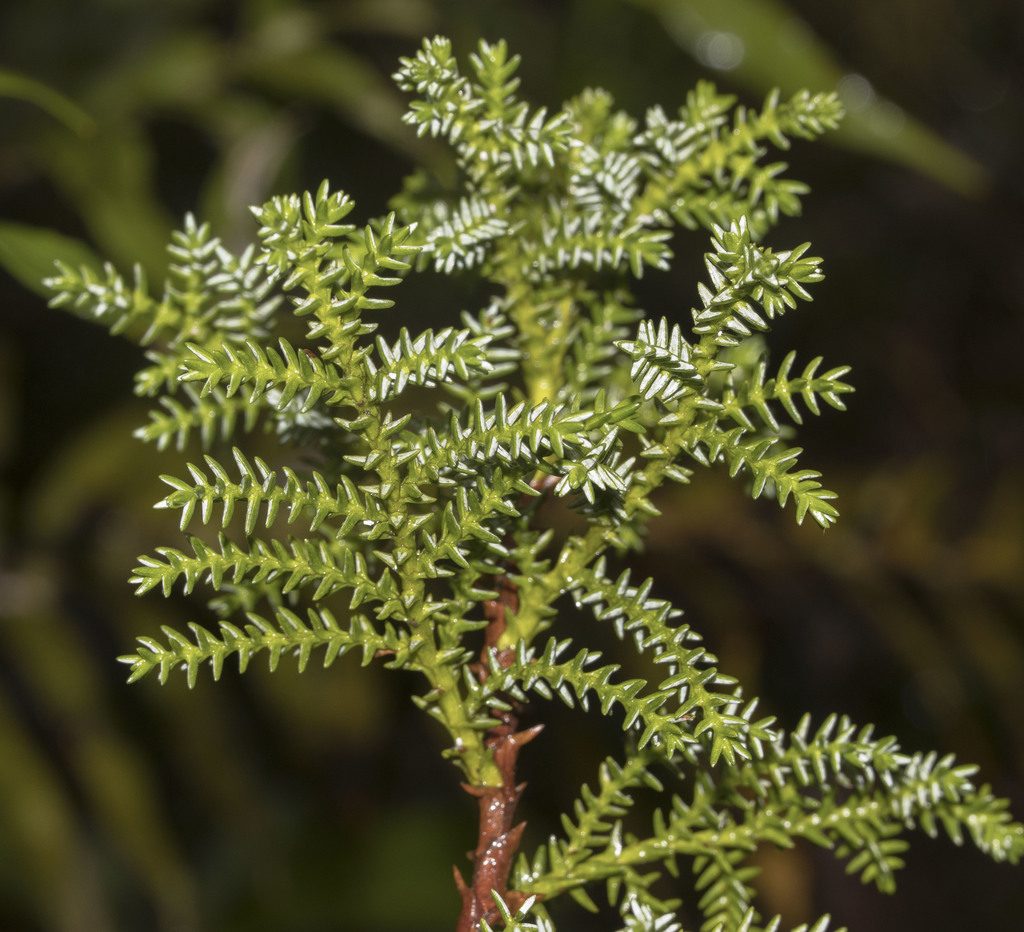
Guaitecas cypress
Pilgerodendron uviferum
Pilgerodendron is a monotypic genus of conifer in the cypress family, Cupressaceae, containing the sole species, Pilgerodendron uviferum, which is endemic to the Valdivian temperate rain forests and Magellanic subpolar forests of southern Chile and southwestern Argentina. It grows from 40 to 54°20' S in Tierra del Fuego, where it is the southernmost conifer species in the world. It is a member of subfamily Callitroideae, a group of distinct Southern Hemisphere genera associated with the Antarctic flora.
Pilgerodendron is very closely related to the New Zealand and New Caledonian genus Libocedrus, and many botanists treat P. uviferum within this genus, as Libocedrus uvifera (D.Don) Pilg. It is also a taxonomical synonym for Libocedrus tetragona (Hooker). The species is known locally as ciprés de las Guaitecas (after the Guaitecas Archipelago), and elsewhere by its scientific name, as pilgerodendron. The genus is named after Robert Knud Friedrich Pilger.
From the article Pilgerodendron on Wikipedia (CC BY-SA), quoted section by section
In human culture
Indigenous sea-faring nomads of the Chono and Kawésqars groups used Pilgerodendron uviferum as firewood as well as wood for oars, boats and houses. During the Antonio de Vea expedition (1675–1676) Spanish explorers visited the Guaitecas and Chonos archipelagoes where the tree grew noticing the similarity to the "cypresses of Spain". Historically the wood was used to make railway sleepers, but eventually became popular for use as timber in all types of construction. In the 1860s, Felipe Westhoff was one of various businessmen who exported Pilgerodendron uviferum north to Chilean and Peruvian ports. Westhoff, who was based in Ancud, came initially as an agent of Ferrocarril Central Andino in Peru to purchase sleepers but soon became an independent businessman. The town of Melinka was established in 1860 during the Pilgerodendron boom. This was the first permanent settlement in the Guaitecas Archipelago. After Westhoff's retirement in the 1870s, Ciriaco Álvarez, a native of Chonchi, rose as the most prominent P. uviferum businessman in the area, and was dubbed "The King of Pilgerodendron" (Spanish: El Rey del Ciprés). Many of the wooden structures in settlements of the southern Chilean archipelagos are built largely from P. uviferum wood. Foraging by southern pudu is thought to be detrimental for the regeneration of burned forests of Pilgerodendron uviferum.
== References ==
Wikipedia: “History”
Where it lives
Recorded sightings
—
geo-referenced records in GBIF, from museums, herbaria and field observers.
Drag the globe to turn it. Dots are where records exist, not a range map; darker means more records.
In the stacks
Searching the stacks…
Every page naming Pilgerodendron uviferum in the Biodiversity Heritage Library →
This page is assembled live from iNaturalist, GBIF, Wikipedia, the Source Library and the Internet Archive. It is not yet part of the hand-edited codex. iNaturalist taxon 135741.