- Animals
- ›Arthropods
- ›Crustaceans
- ›Typical Crustaceans
- ›Malacostracans
- ›Decapods, Isopods, and allies
- ›Amphipods, Isopods, and Allies
- ›Isopods
- ›Woodlice, Pillbugs, and Rock Slaters
- ›Woodlice and Pillbugs
- ›Crinocheta
- ›Porcellionid Woodlice
Mica
Micas () are a group of silicate minerals whose outstanding physical characteristic is that individual mica crystals can easily be split into fragile elastic plates. This characteristic is described as perfect basal cleavage. Mica is common in igneous and metamorphic rock and is occasionally found as small flakes in sedimentary rock. It is particularly prominent in many granites, pegmatites, and schists, and "books" (large individual crystals) of mica several feet across have been found in some pegmatites.
Micas are used in products such as drywalls, paints, and fillers, especially in parts for automobiles, roofing, and in electronics. The mineral is used in cosmetics and food to add "shimmer" or "frost".
2 branches of this genus, most-observed first
See this branch on the Wheel of Life →Where it lives
Recorded sightings
—
geo-referenced records in GBIF, from museums, herbaria and field observers.
Drag the globe to turn it. Dots are where records exist, not a range map; darker means more records.
In the old herbals & bestiaries
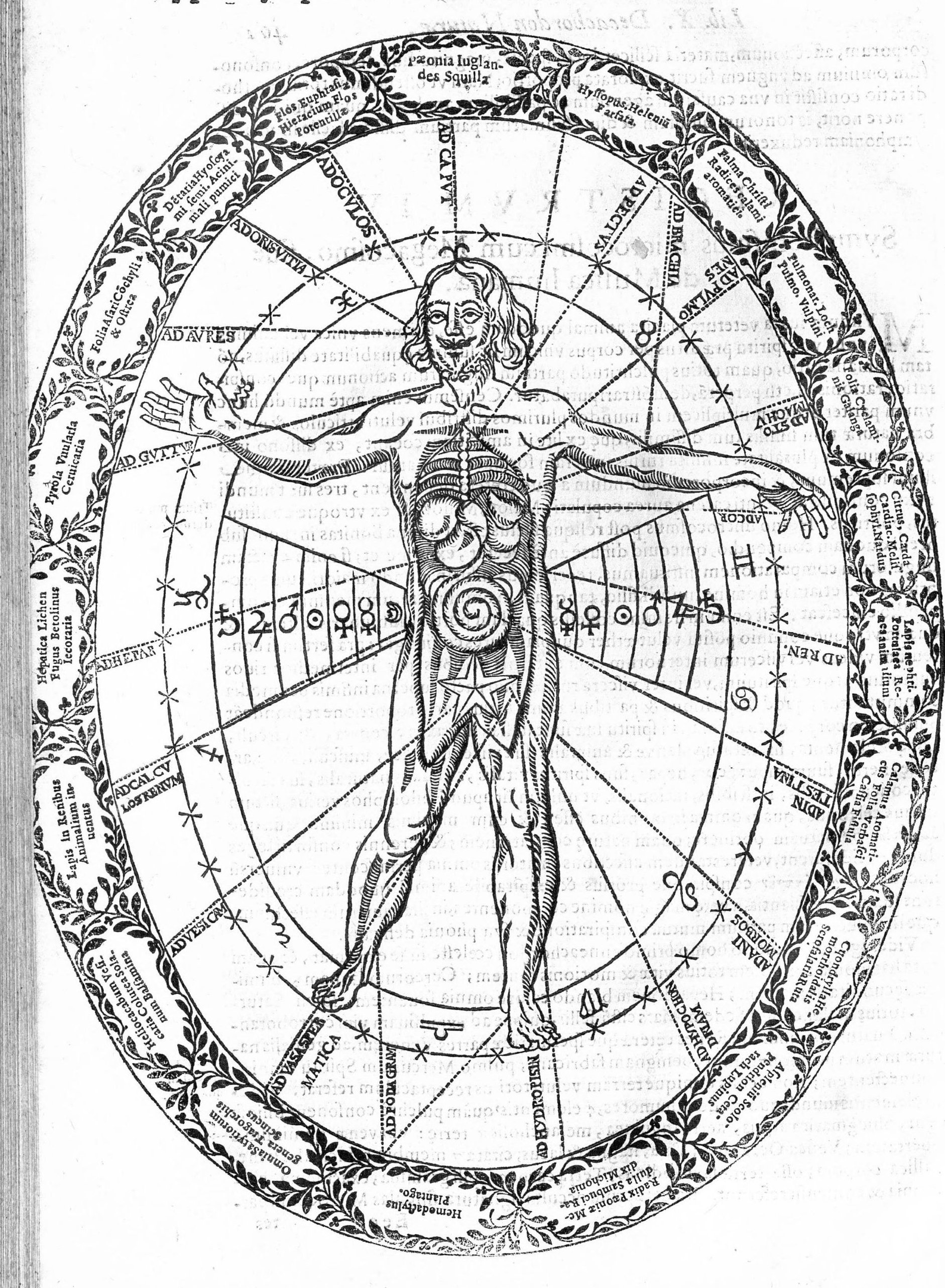
Universal Music-making (Musurgia Universalis), Vol. II
Athanasius Kircher · 1650 · p.431

The Egyptian Oedipus, Volume II
Athanasius Kircher · 1653 · p.366

The Subterranean World Volume Two
Athanasius Kircher · 1678 · p.448

Anatomy or the Interior of Things
Antoni van Leeuwenhoek · 1687 · p.218

Sacred Physics
Scheuchzer, Johan Jacob · 1728 · p.143

A key to physic, and the occult sciences
Sibly, Ebenezer · 1810 · p.556

Berthe Hoola van Nooten — Fleurs, fruits et feuillages choisis de la flore et de la pomone de Java (1863)
Berthe Hoola van Nooten · 1863 · p.139

Berthe Hoola van Nooten — Fleurs, fruits et feuillages choisis de la flore et de la pomone de Java (1863)
Berthe Hoola van Nooten · 1863 · p.155

The Pagan World and the Origin of its Gods
Herold, Johann · 1554 · p.836

Anatomical Compendium (Syntagma Anatomicum) (1666)
Johann Vesling · 1666 · p.510

Micrographia nova: sive nova & curiosa variorum minutorum corporum singularis cujusdam & noviter
Griendel, Johann Franz · 1687 · p.50

The Anatomy of Plants (Vol. 1)
Nehemiah Grew · n.d. · p.472
In the stacks
Searching the stacks…
Every page naming Mica in the Biodiversity Heritage Library →
This page is assembled live from iNaturalist, GBIF, Wikipedia, the Source Library and the Internet Archive. It is not yet part of the hand-edited codex. iNaturalist taxon 1421272.