- Animals
- ›Arthropods
- ›Hexapods
- ›Insects
- ›Winged and Once-winged Insects
- ›Ants, Bees, Wasps, and Sawflies
- ›Sawflies, Horntails, and Wood Wasps
Pamphilioidea
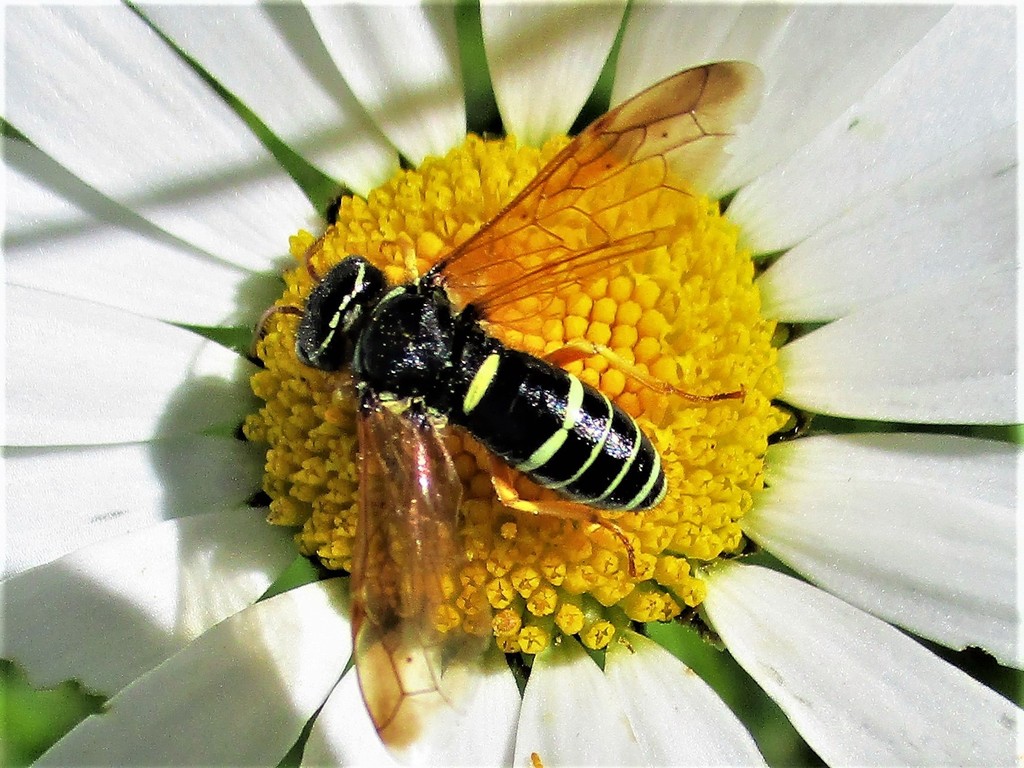
The Pamphilioidea are a small superfamily within the Symphyta (the sawflies), containing some 250 living species restricted to the temperate regions of Eurasia and North America. These hymenopterans share the distinctive feature of a very large, almost prognathous head, which is widest ventrally.
The superfamily contains two extant families. The Pamphiliidae are the leaf-rolling or web-spinning sawflies such as Acantholyda, Neurotoma, and Pamphilius whose larvae eat plants such as conifers; the adults have simple filiform antennae. The Megalodontesidae include genera such as Megalodontes and several fossil groups. Their larvae eat herbaceous plants, while the adults have serrate or pectinate antennae.
2 branches of this superfamily, most-observed first
See this branch on the Wheel of Life →

Where it lives
Recorded sightings
—
geo-referenced records in GBIF, from museums, herbaria and field observers.
Drag the globe to turn it. Dots are where records exist, not a range map; darker means more records.
In the stacks
Searching the stacks…
Every page naming Pamphilioidea in the Biodiversity Heritage Library →
This page is assembled live from iNaturalist, GBIF, Wikipedia, the Source Library and the Internet Archive. It is not yet part of the hand-edited codex. iNaturalist taxon 143250.