- Plants
- ›Vascular Plants
- ›flowering plants
- ›Dicots
- ›Mints, Plantains, Olives, and Allies
- ›Mint Family
- ›Ajugoideae
- ›Trichostema
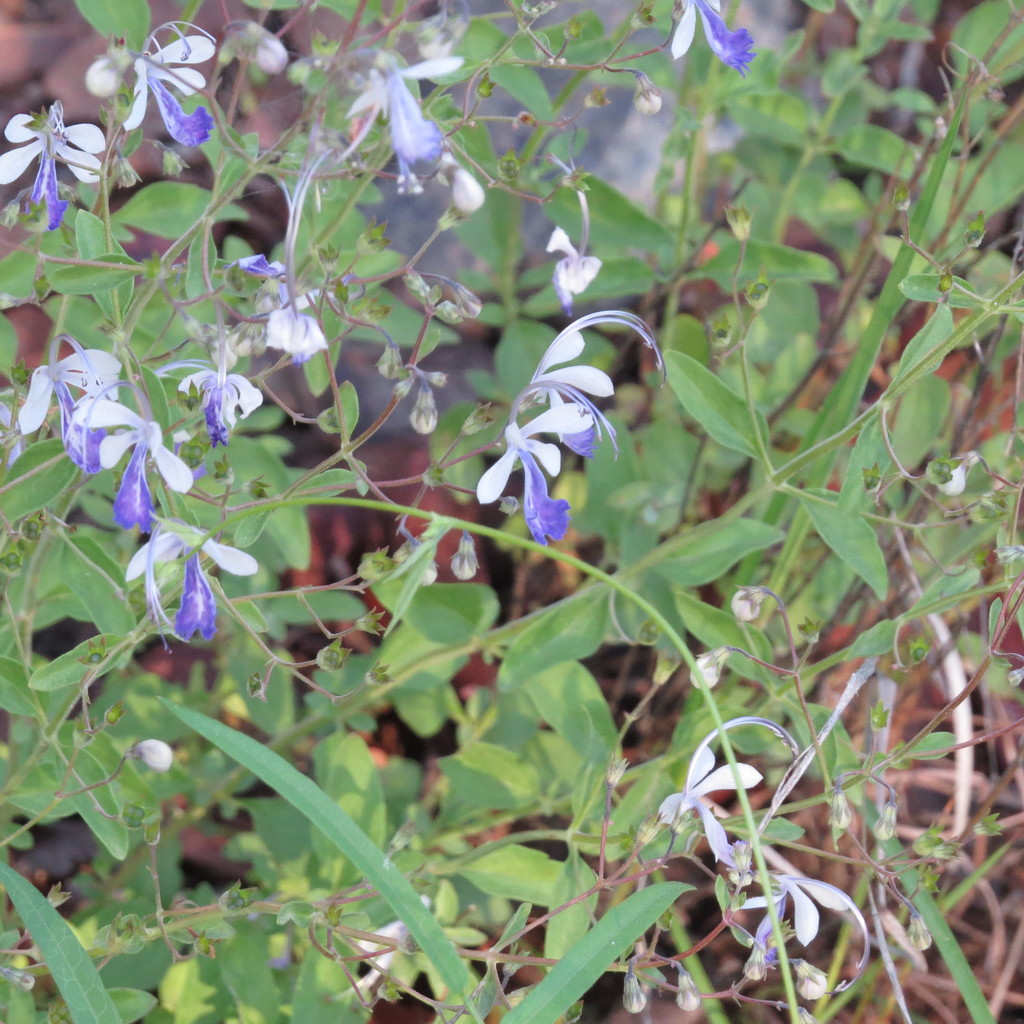
Paniculatum
In botany, a panicle is a much-branched inflorescence. Some authors distinguish it from a compound spike inflorescence, by requiring that the flowers (and fruit) be pedicellate (having a single stem per flower). The branches of a panicle are often racemes. A panicle may have determinate or indeterminate growth.
This type of inflorescence is largely characteristic of grasses, such as oat and crabgrass, as well as other plants such as pistachio and mamoncillo. Botanists use the term paniculate in two ways: "having a true panicle inflorescence" as well as "having an inflorescence with the form but not necessarily the structure of a panicle".
2 branches of this group, most-observed first
See this branch on the Wheel of Life →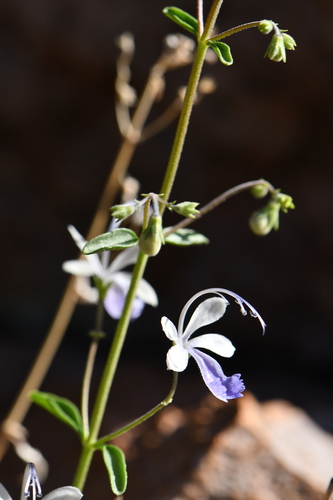
Where it lives
Recorded sightings
—
geo-referenced records in GBIF, from museums, herbaria and field observers.
Drag the globe to turn it. Dots are where records exist, not a range map; darker means more records.
In the old herbals & bestiaries

In the stacks
Searching the stacks…
Every page naming Paniculatum in the Biodiversity Heritage Library →
This page is assembled live from iNaturalist, GBIF, Wikipedia, the Source Library and the Internet Archive. It is not yet part of the hand-edited codex. iNaturalist taxon 1441099.