- Animals
- ›Molluscs
- ›Bivalves
- ›Autobranchia
- ›Heteroconchia
- ›Euheterodonta
- ›Imparidentia
- ›True Cockles, Tellins, and Allies
- ›Tellins, Sunset Clams, and Allies
- ›Bean Clams
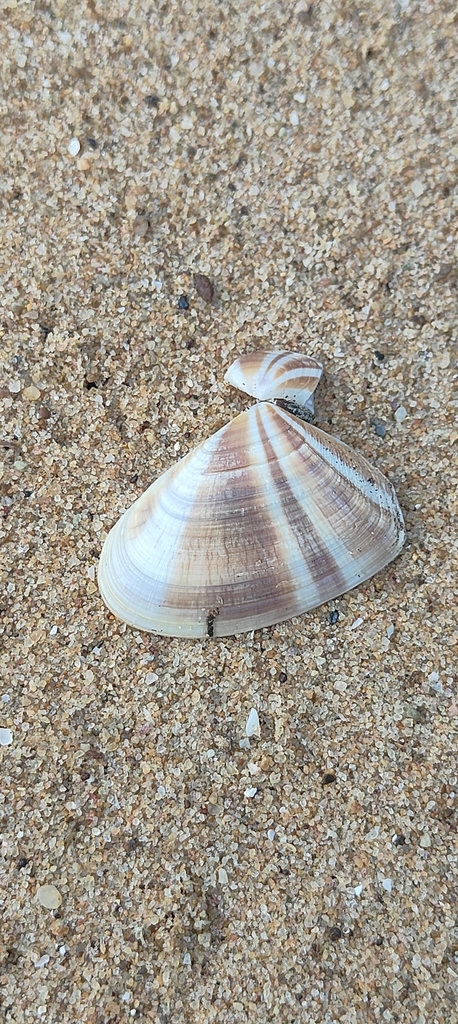
Latona
In ancient Greek mythology and religion, Leto (; Ancient Greek: Λητώ, romanized: Lētṓ, pronounced [lεːˈtɔː]) is the mother of Apollo and Artemis. She is the daughter of the Titans Coeus and Phoebe, and the sister of Asteria.
In the Olympian scheme, the king of gods Zeus is the father of her twins, Apollo and Artemis, whom Leto conceived after her hidden beauty accidentally caught the eye of Zeus. During her pregnancy, Leto sought for a place where she could give birth to Apollo and Artemis, since Hera, the wife of Zeus, in her jealousy, ordered all lands to shun her and deny her shelter. Hera is also the one to have sent the monstrous serpent Python and the giant Tityos against Leto to pursue and harm her. Leto eventually found an island, Delos, that was not joined to the mainland or attached to the ocean floor, therefore it was not considered land or island and she could give birth. In some stories, Hera further tormented Leto by delaying her labour, leaving Leto in agony for days before she could deliver the twins, who proceed to slay her assailants.
20 branches of this genus, most-observed first
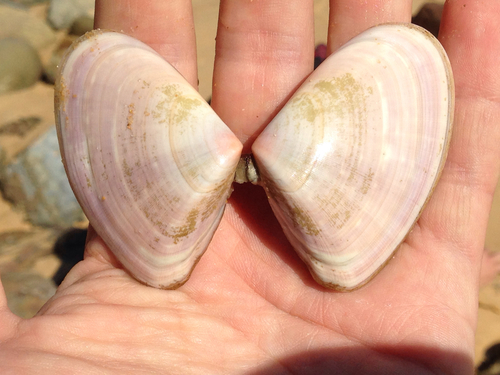
Pipi
speciesLatona deltoides

Cuneate Wedge Shell
speciesLatona cuneata
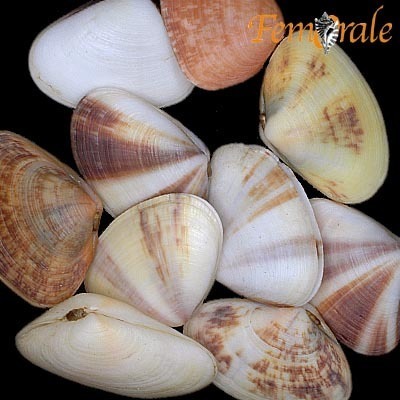
Pacific Bean Donax
speciesLatona faba
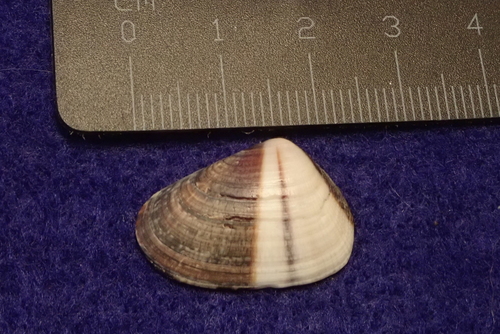
Latona bicolor
speciesLatona bicolor

Latona semisulcata
speciesLatona semisulcata
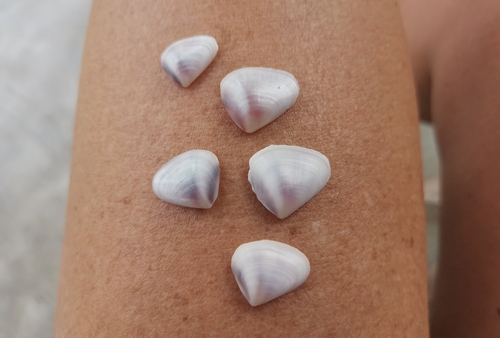
Fleshy Donax
speciesLatona incarnata
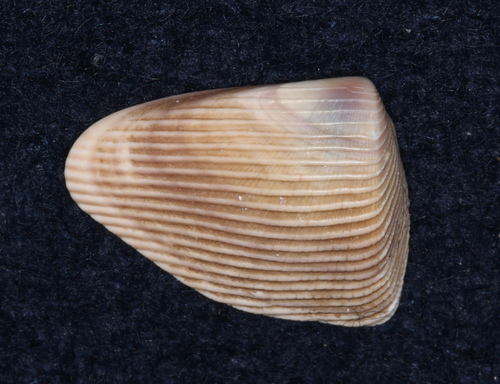
Ridged Wedge-Shell
speciesLatona madagascariensis
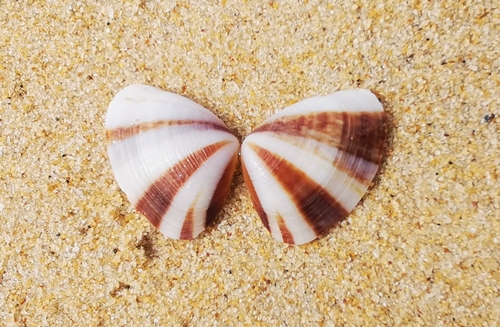
Latona solida
speciesLatona solida
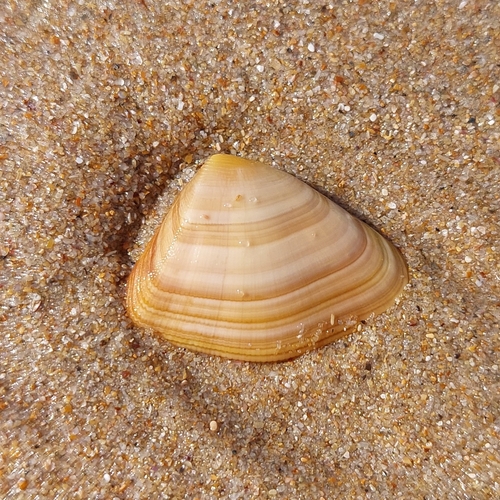
Butterfly Wedge-shell
speciesLatona sordida
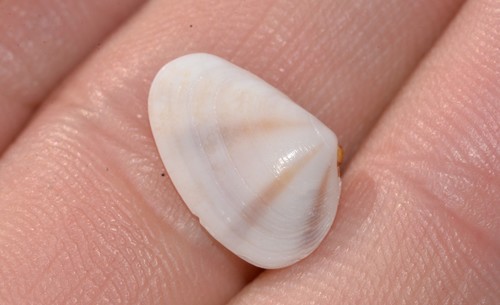
Latona columbella
speciesLatona columbella
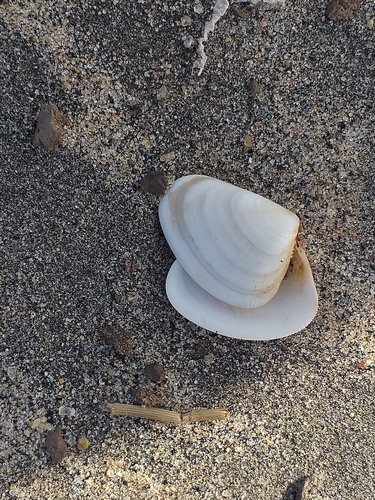
Slippery Wedge Shell
speciesLatona lubrica
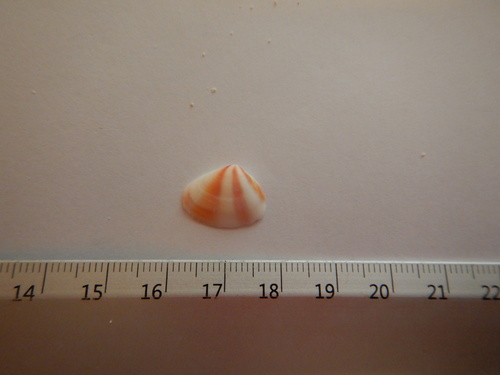
Latona trifasciata
speciesLatona trifasciata
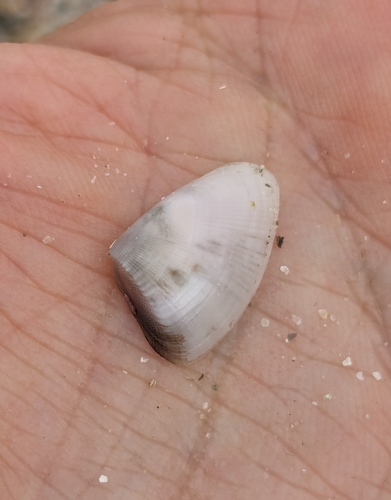
Latona spinosa
speciesLatona spinosa
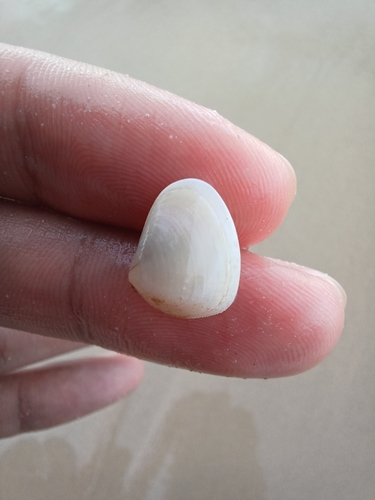
Latona listeri
speciesLatona listeri
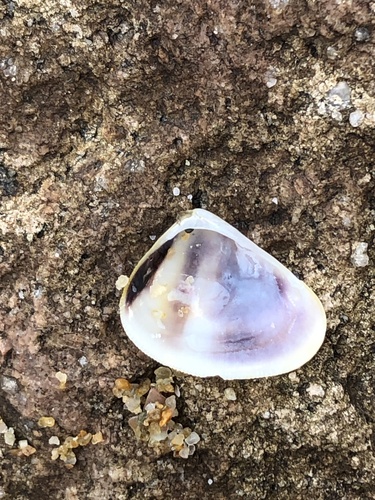
Latona saigonensis
speciesLatona saigonensis
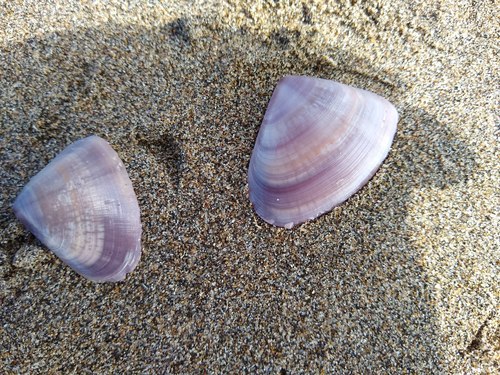
Latona purpurascens
speciesLatona purpurascens
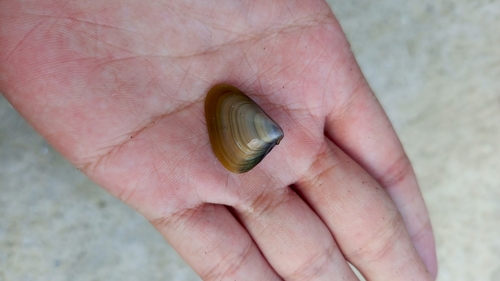
Latona ticaonica
speciesLatona ticaonica
Latona dysoni
speciesLatona dysoni
Latona siliqua
speciesLatona siliqua
Latona victoris
speciesLatona victoris
Where it lives
Recorded sightings
—
geo-referenced records in GBIF, from museums, herbaria and field observers.
Drag the globe to turn it. Dots are where records exist, not a range map; darker means more records.
In the stacks
Searching the stacks…
Every page naming Latona in the Biodiversity Heritage Library →
This page is assembled live from iNaturalist, GBIF, Wikipedia, the Source Library and the Internet Archive. It is not yet part of the hand-edited codex. iNaturalist taxon 1446622.