- Fungi Including Lichens
- ›Ascomycete Fungi
- ›Sac Fungi and Lichens
- ›Eurotiomycetes
- ›Eurotiomycetidae
- ›green and blue molds
- ›Aspergillaceae
- ›Penicillium
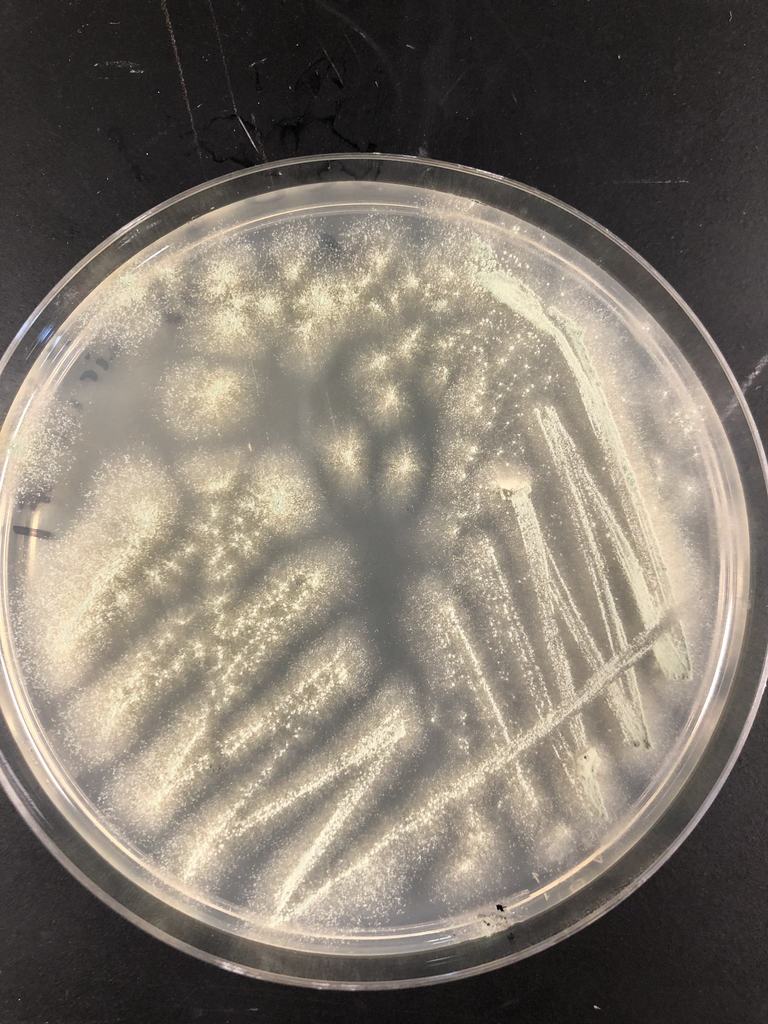
Penicillium crustosum
Penicillium crustosum is a blue-green or blue-grey mold that can cause food spoilage, particularly of protein-rich foods such as meats and cheeses. It is identified by its complex biseriate conidiophores on which phialides produce asexual spores. It can grow at fairly low temperatures (it is a psychrophile), and in low water activity environments.
Penicillium crustosum produces mycotoxins, most notoriously the neurotoxic penitrems, including the best known penitrem toxin, penitrem A, and including penitrems A through G. Penitrem G has been shown to have insecticidal activity. In addition, P. crustosum can produce thomitrems A and E, and roquefortine C. Consumption of foods spoiled by this mold can cause transient neurological symptoms such as tremors. In dogs, symptoms can include vomiting, convulsion, tremors, ataxia, and tachycardia.
Where it lives
Recorded sightings
—
geo-referenced records in GBIF, from museums, herbaria and field observers.
Drag the globe to turn it. Dots are where records exist, not a range map; darker means more records.
In the stacks
Searching the stacks…
Every page naming Penicillium crustosum in the Biodiversity Heritage Library →
This page is assembled live from iNaturalist, GBIF, Wikipedia, the Source Library and the Internet Archive. It is not yet part of the hand-edited codex. iNaturalist taxon 1456404.