- Plants
- ›Vascular Plants
- ›flowering plants
- ›Dicots
- ›Soapberries, Cashews, Mahoganies, and Allies
- ›soapberry family
- ›Acer
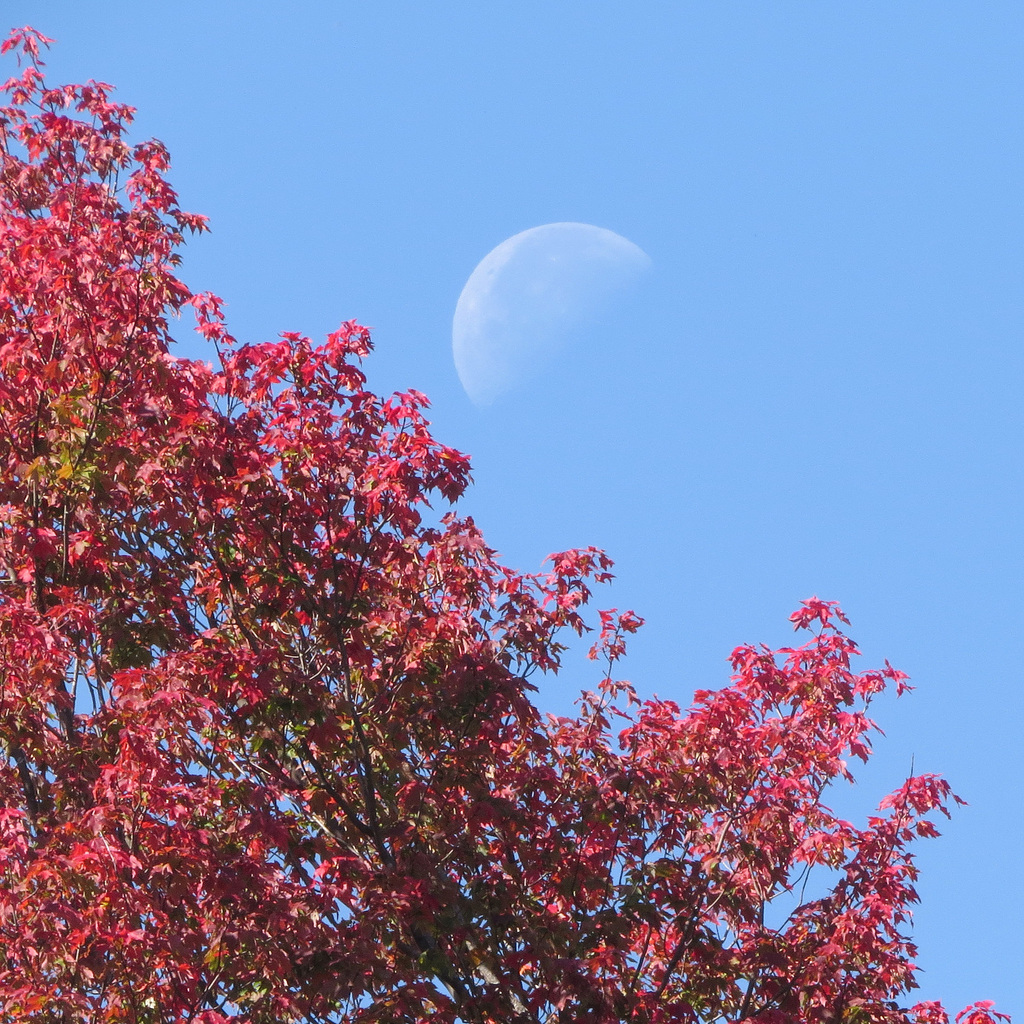
Acer sect. Rubra
Rubra
This list of Latin and Greek words commonly used in systematic names is intended to help those unfamiliar with classical languages to understand and remember the scientific names of organisms. The binomial nomenclature used for animals and plants is largely derived from Latin and Greek words, as are some of the names used for higher taxa, such as orders and above. At the time when biologist Carl Linnaeus (1707–1778) published the books that are now accepted as the starting point of binomial nomenclature, Latin was used in Western Europe as the common language of science, and scientific names were in Latin or Greek: Linnaeus continued this practice.
While learning Latin is now less common, it is still used by classical scholars, and for certain purposes in botany, medicine and the Roman Catholic Church, and it can still be found in scientific names. It is helpful to be able to understand the source of scientific names. Although the Latin names do not always correspond to the current English common names, they are often related, and if their meanings are understood, they are easier to recall. The binomial name often reflects limited knowledge or hearsay about a species at the time it was named. For instance Pan troglodytes, the chimpanzee, and Troglodytes troglodytes, the wren, are not necessarily cave-dwellers.
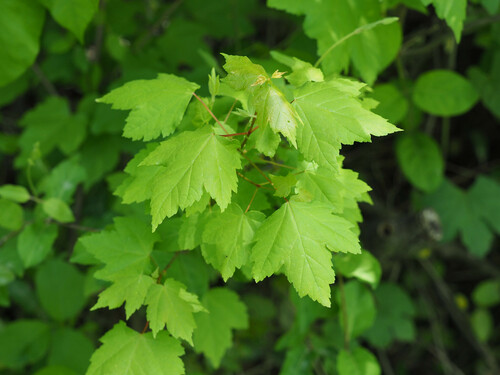
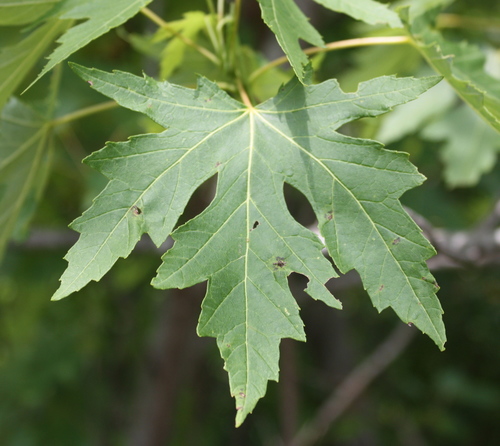
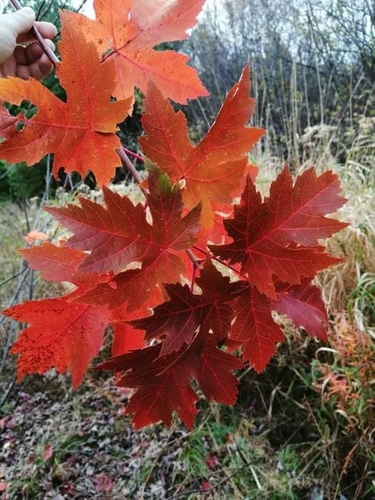

Where it lives
Recorded sightings
—
geo-referenced records in GBIF, from museums, herbaria and field observers.
Drag the globe to turn it. Dots are where records exist, not a range map; darker means more records.
In the old herbals & bestiaries

The Malay Archipelago: The Land of the Orang-Utan and the Bird of Paradise
Alfred Russel Wallace · 1869 · p.568

Hortus Eystettensis
Basilius Besler · 1640 · p.110

Jean Baptiste Audebert — Histoire naturelle des grimpereaux et des oiseaux de paradis (1802)
Jean Baptiste Audebert · 1802 · p.335

Hortus Eystettensis
Basilius Besler · 1640 · p.119

On the Names of Plants
Hieronymus Bock (Tragus) · 1552 · p.297

History of Animals, Book I: On Viviparous Quadrupeds
Conrad Gessner · 1554 · p.754

Books on Marine Fishes
Guillaume Rondelet · 1554 · p.551

Historiae Animalium Liber III: De Avium Natura
Conrad Gesner · 1555 · p.609

Commentaries on the Six Books of Pedanius Dioscorides on Medical Matter
Pietro Andrea Mattioli · 1565 · p.643

History of Rare Plants of Pannonia
Carolus Clusius · 1576 · p.854

History of Rare Plants of Pannonia
Carolus Clusius · 1576 · p.156

Six Groups of the History of Plants
Rembert Dodoens · 1583 · p.779
In the stacks
Searching the stacks…
Every page naming Rubra in the Biodiversity Heritage Library →
This page is assembled live from iNaturalist, GBIF, Wikipedia, the Source Library and the Internet Archive. It is not yet part of the hand-edited codex. iNaturalist taxon 1466321.