- Plants
- ›Vascular Plants
- ›flowering plants
- ›Dicots
- ›Soapberries, Cashews, Mahoganies, and Allies
- ›soapberry family
- ›Paullinia
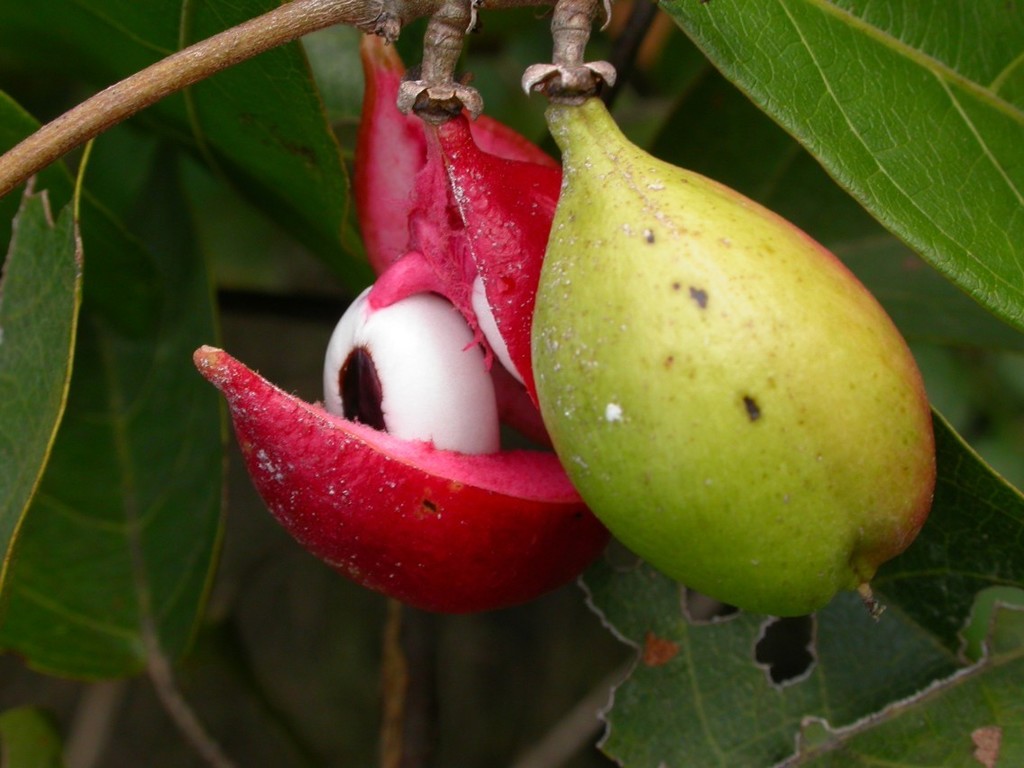
bread and cheese
Paullinia pinnata
Paullinia pinnata is a flowering plant species in the genus of Paullinia found in South America and Africa.
The long flexible stems of P. pinnata are used to poison fish in shallow pools, as described by the English naturalist Henry Walter Bates in his book The Naturalist on the River Amazons.
From the article Paullinia pinnata on Wikipedia (CC BY-SA), quoted section by section
What it does
A number of lepidopteran larvae (Morpho polyphemus, Fresna nyassae, Neptis trigonophora, Brenthia elongata, Charaxes lycurgus, Charaxes zelica, Euphaedra medon, Euphaedra harpalyce, Neptis clarei, Neptis nysiades, Neptis rogersi, Neptis troundi) feed on P. pinnata.
Wikipedia: “Ecology”
Where it lives
Recorded sightings
—
geo-referenced records in GBIF, from museums, herbaria and field observers.
Drag the globe to turn it. Dots are where records exist, not a range map; darker means more records.
In the stacks
Searching the stacks…
Every page naming Paullinia pinnata in the Biodiversity Heritage Library →
This page is assembled live from iNaturalist, GBIF, Wikipedia, the Source Library and the Internet Archive. It is not yet part of the hand-edited codex. iNaturalist taxon 152139.