- Animals
- ›Arthropods
- ›Hexapods
- ›Insects
- ›Winged and Once-winged Insects
- ›Beetles
- ›Water, Rove, Scarab, Long-horned, Leaf, and Snout Beetles
- ›Cucujiform Beetles
- ›Snout and Bark Beetles
- ›True Weevils
- ›Cocoon Weevils
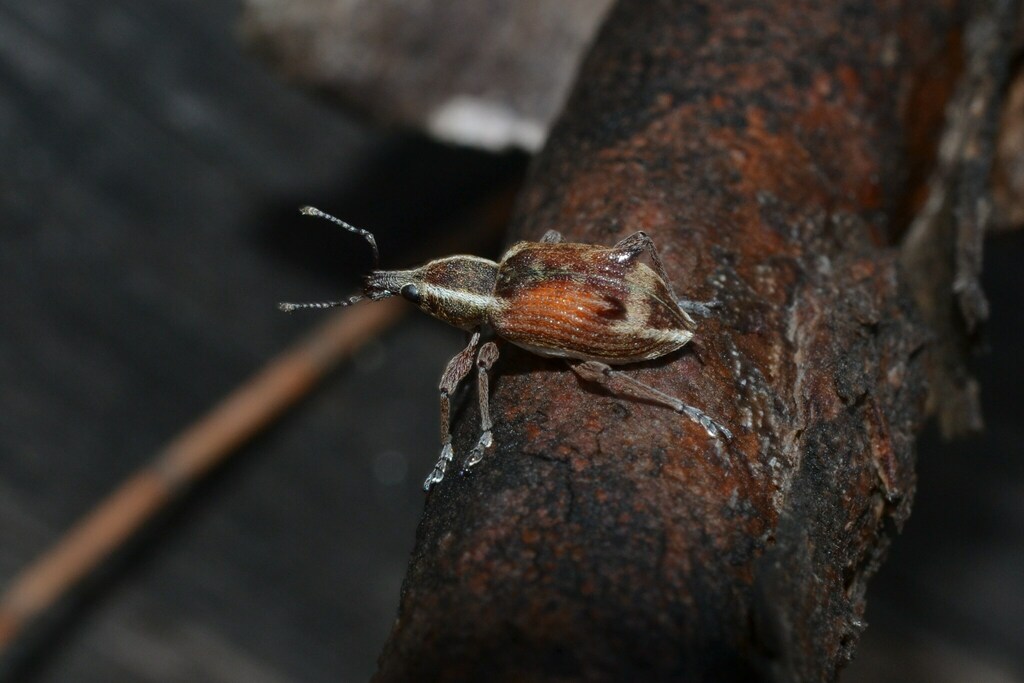
Lycosura
Lycosura (Ancient Greek: Λυκόσουρα, romanized: Lykósoura) was a city in the ancient Parrhasia region of south Arcadia said by Pausanias to be the oldest city in the world, although there is no evidence for its existence before the fourth century BC. Its current significance is chiefly associated with the sanctuary of the goddess Despoina, which contained a colossal sculptural group that has been found and that Pausanias (perhaps inaccurately) wrote was made by Damophon of Messene. This group comprises acrolithic-technique statues of Despoina and Demeter seated on a throne, with statues of Artemis and the Titan Anytos standing on either side of them, all in Pentelic marble. Remains of a stoa, altars, fountain and baths and other structures can also be seen at the site.
The Sanctuary is located 9 km WSW of Megalopolis, 6.9 km SSE of Mount Lykaion, and 160 km SW of Athens. There is a small museum at the archaeological site housing the middle of sculptured group, Demeter and Despoina, as well as other finds. The other half of the group, Artemis and Titan Anytos, is exhibited at the National Archaeological Museum in Athens.
1 branches of this genus, most-observed first
See this branch on the Wheel of Life →
Where it lives
Recorded sightings
—
geo-referenced records in GBIF, from museums, herbaria and field observers.
Drag the globe to turn it. Dots are where records exist, not a range map; darker means more records.
In the stacks
Searching the stacks…
Every page naming Lycosura in the Biodiversity Heritage Library →
This page is assembled live from iNaturalist, GBIF, Wikipedia, the Source Library and the Internet Archive. It is not yet part of the hand-edited codex. iNaturalist taxon 1556874.