- Animals
- ›Arthropods
- ›Hexapods
- ›Insects
- ›Winged and Once-winged Insects
- ›True Bugs, Hoppers, Aphids, and allies
- ›True Hoppers
- ›Planthoppers
- ›Delphacoidea
- ›Cixiid planthoppers
- ›Cixiinae
- ›Pintaliini
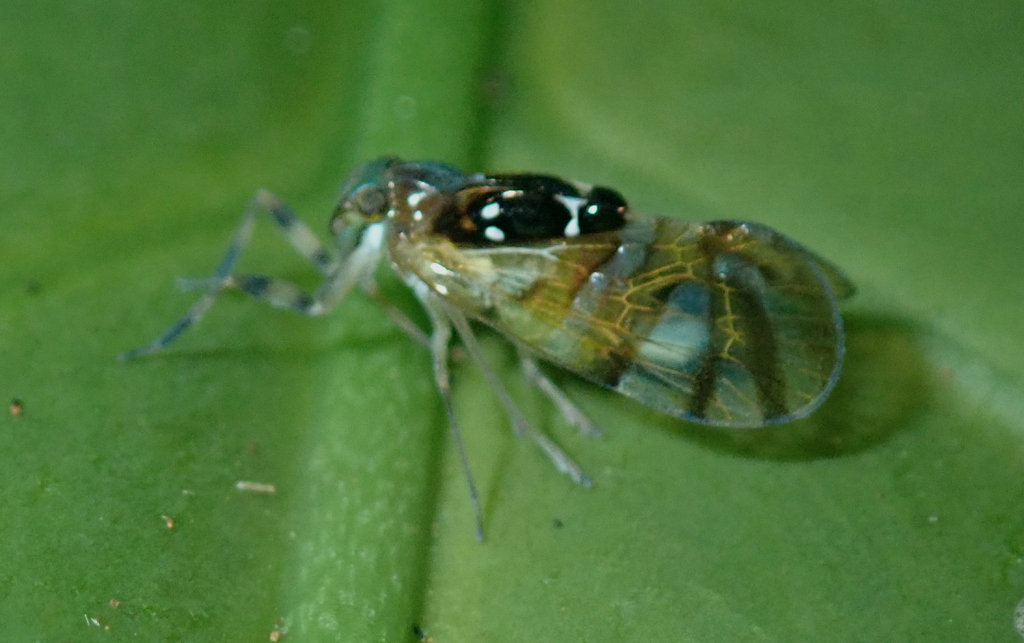
Demetia
The Kingdom of Dyfed (Welsh pronunciation: ['dəvɛd]), one of several Welsh petty kingdoms that emerged in 5th-century sub-Roman Britain in southwest Wales, was based on the former territory of the Demetae (modern Welsh Dyfed). The royal line was founded by Irish settlers in the 5th century. After the Norman invasion of Wales Dyfed was incorporated into Pembrokeshire. The name was resurrected for the now-defunct administrative area called Dyfed as well as in the names of some regional organisations such as Dyfed–Powys Police.
Dyfed may have originally occupied the area that bordered the rivers Teifi, Gwili and Tywi, and included contemporary Pembrokeshire, the western part of contemporary Carmarthenshire, and with the town of Carmarthen. Dyfed eventually comprised at least seven cantrefi: Cemais, Deugleddyf, Emlyn, Cantref Gwarthaf, Pebidiog, Penfro and Rhos, with an approximate area of about 2,284 square kilometres (882 sq mi).
1 branches of this genus, most-observed first
See this branch on the Wheel of Life →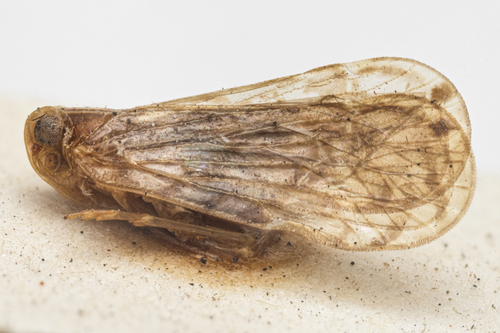
Where it lives
Recorded sightings
—
geo-referenced records in GBIF, from museums, herbaria and field observers.
Drag the globe to turn it. Dots are where records exist, not a range map; darker means more records.
In the stacks
Searching the stacks…
Every page naming Demetia in the Biodiversity Heritage Library →
This page is assembled live from iNaturalist, GBIF, Wikipedia, the Source Library and the Internet Archive. It is not yet part of the hand-edited codex. iNaturalist taxon 1594795.