- Plants
- ›Vascular Plants
- ›flowering plants
- ›Dicots
- ›Heathers, Balsams, Primroses, and Allies
- ›Pentaphylacaceae
- ›Cleyera
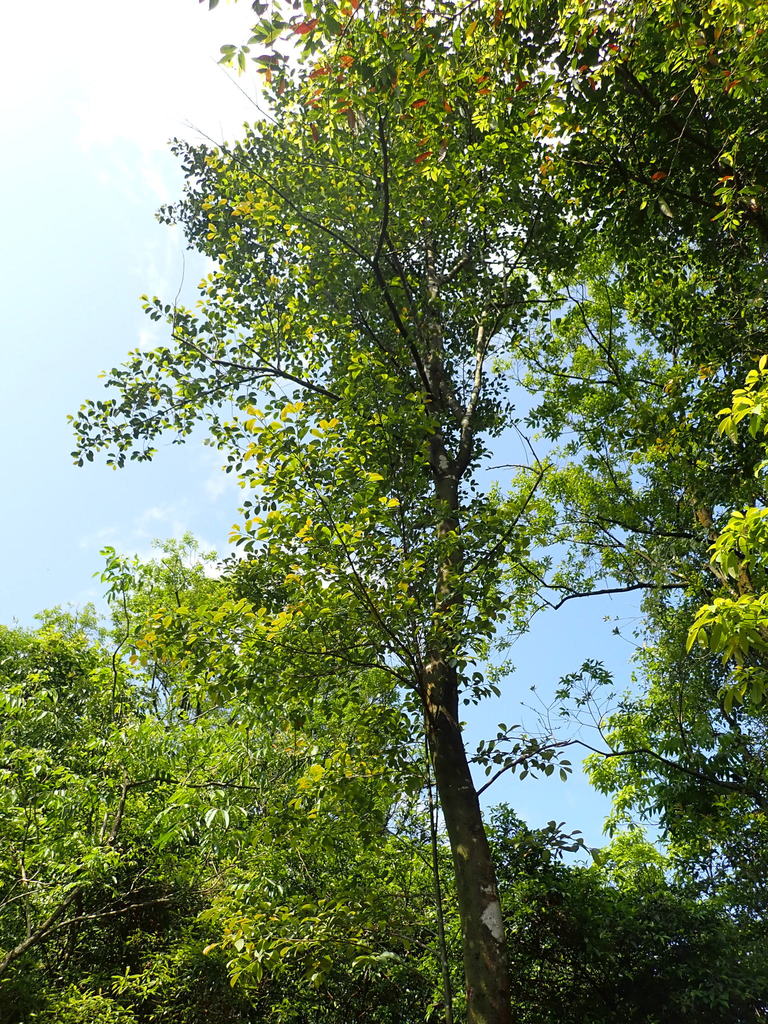
Cleyera japonica
Cleyera japonica (sakaki) is a flowering evergreen tree native to warm areas of Japan, Taiwan, China, Myanmar, Nepal, and northern India (Min and Bartholomew 2015). It can reach a height of 10 m (33 ft). The leaves are 6–10 cm (2.4–3.9 in) long, smooth, oval, leathery, shiny and dark green above, yellowish-green below, with deep furrows for the leaf stem. The bark is dark reddish brown and smooth. The small, scented, cream-white flowers open in early summer, and are followed later by berries which start red and turn black when ripe. Sakaki is one of the common trees in the second layer of the evergreen oak forests. It is considered sacred to Japanese Shintō faith, and is one of the classical offerings at Shintō shrines including Tamagushi and masakaki .
From the article Cleyera japonica on Wikipedia (CC BY-SA), quoted section by section
At the table
Sakaki wood is used for making utensils (especially combs), building materials, and fuel. It is commonly planted in gardens, parks, and shrines. Sakaki is considered a sacred tree in the Shinto religion, along with other evergreens such as hinoki (檜, Japanese cypress) and kansugi (神杉, "sacred cryptomeria"). Shinto shrines are traditionally encircled with shinboku (神木, "sacred trees") constituting a himorogi (神籬, "divine fence"). In Shinto ritual offerings to the "gods; spirits" (神, kami), branches of sakaki are decorated with paper streamers (shide) to make tamagushi. Originally, the term sakaki referred broadly to all evergreen trees before narrowing to designate this species specifically. When sakaki was unavailable, other evergreens such as oak, cryptomeria, boxwood, or fir could be used as substitutes. Beyond decoration and purification, sakaki branches also served as torimono, hand-held ritual objects carried by miko during sacred dances. A passage in the Nihon Shoki similarly recounts Emperor Keikō addressing the sakaki of Mount Shitsu, decorated in a manner comparable to the sakaki of the Amaterasu myth. In the myth about Amaterasu and the cave she hid in, after Susanoo's tantrum, when the Yata no Kagami was forged and propped-up in front of Amaterasu's cave, it was said to have been perched-upon the branches of a sacred, 500-branched Sakaki tree facing the cave.
Wikipedia: “Uses”
Where it lives
Recorded sightings
—
geo-referenced records in GBIF, from museums, herbaria and field observers.
Drag the globe to turn it. Dots are where records exist, not a range map; darker means more records.
In the old herbals & bestiaries

In the stacks
Searching the stacks…
Every page naming Cleyera japonica in the Biodiversity Heritage Library →
This page is assembled live from iNaturalist, GBIF, Wikipedia, the Source Library and the Internet Archive. It is not yet part of the hand-edited codex. iNaturalist taxon 160749.