- Animals
- ›Arthropods
- ›Hexapods
- ›Insects
- ›Winged and Once-winged Insects
- ›Ants, Bees, Wasps, and Sawflies
- ›Narrow-waisted Wasps, Ants, and Bees
- ›Ants, Bees, and Stinging Wasps
- ›Bees and Apoid Wasps
- ›Bees
- ›Miner, Fairy, Allied Panurgine, and Oxaeine Bees
- ›Panurginae
- ›Panurgini
- ›Fairy Bees, Goblin Bees, and False Goblin Bees

Fairy Bees
Perdita
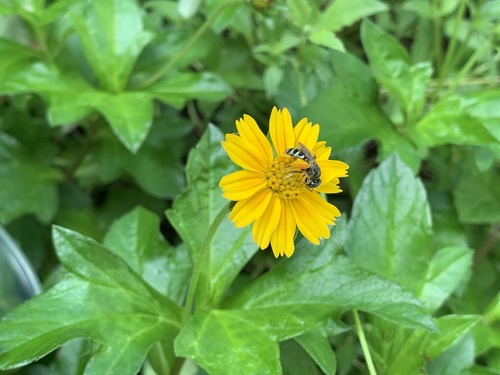
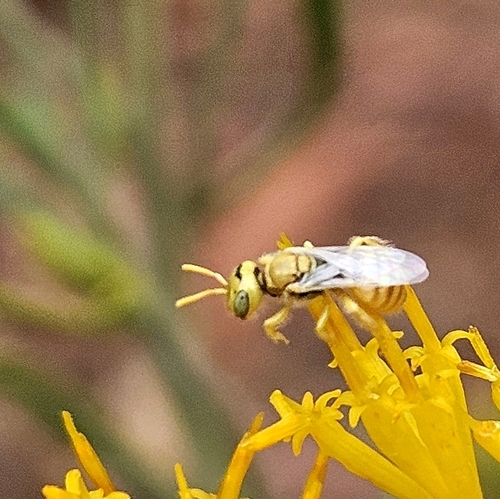
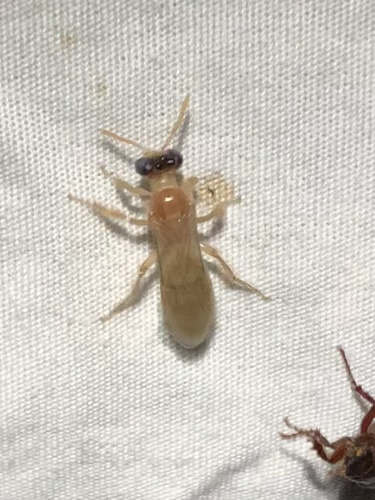
Perdita is a large genus of small bees native to North America, which are particularly diverse in the desert regions of the United States and Mexico. There are over 600 currently recognized species in the genus Perdita, with many more species that remain undescribed. Species of the genus Perdita are usually quite small (2.0 mm to 10.0 mm) and often brightly colored with metallic reflections and/or yellow or white markings, and among the few lineages of bees incapable of stinging. The genus was extensively treated by P.H. Timberlake who, in addition to T.D.A. Cockerell, described most of the known species. Most species are extreme specialists (oligoleges) with respect to pollen and will only collect pollen from a few closely related species or genera of plants. Many species in this genus are called fairy bees.
They may be parasitized by Neolarra cuckoo bees, which lay eggs in their nests given the opportunity.
16 branches of this genus, most-observed first

Perdita
subgenusPerdita

Pygoperdita
subgenusPygoperdita
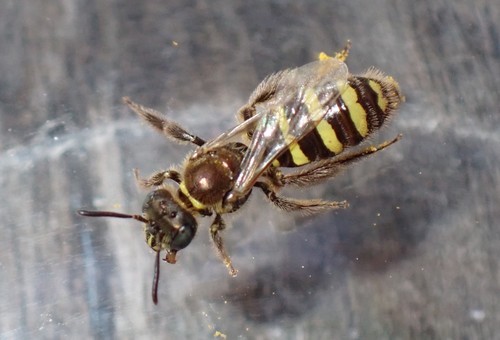
Cockerellia
subgenusCockerellia
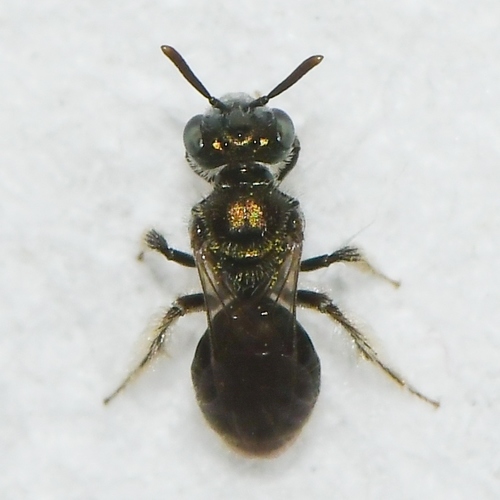
Hexaperdita
subgenusHexaperdita

Perditella
subgenusPerditella

Alloperdita
subgenusAlloperdita
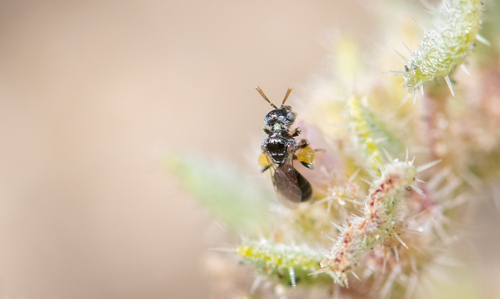
Heteroperdita
subgenusHeteroperdita
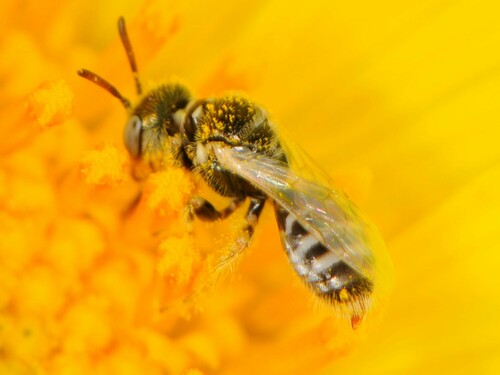
Pentaperdita
subgenusPentaperdita
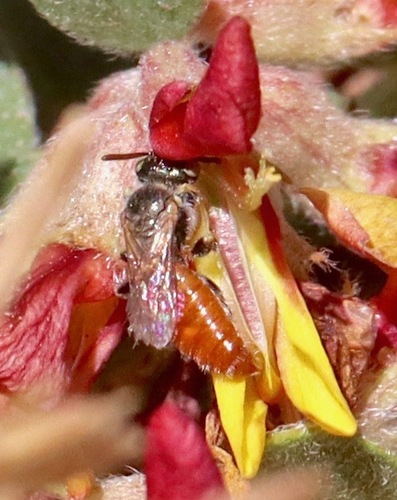
Hesperoperdita
subgenusHesperoperdita
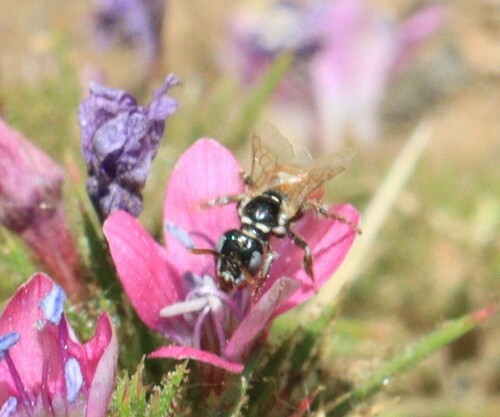
Glossoperdita
subgenusGlossoperdita
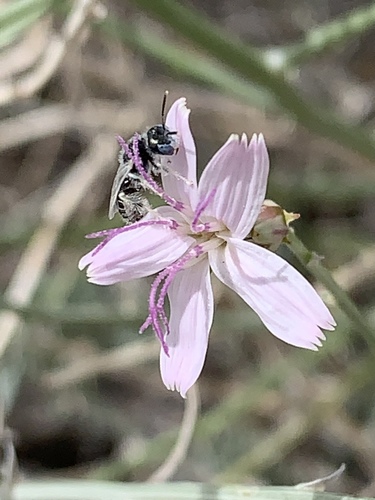
Procockerellia
subgenusProcockerellia
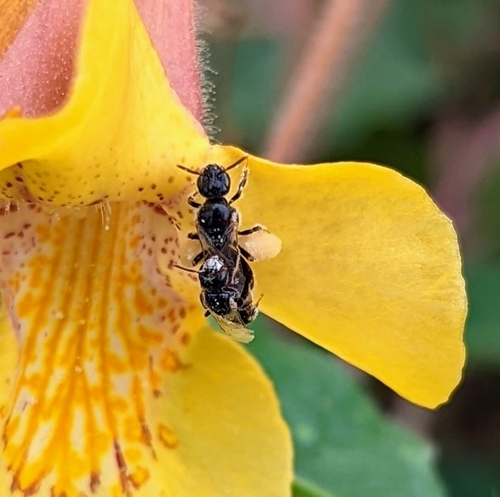
Epimacrotera
subgenusEpimacrotera
Callomacrotera
subgenusCallomacrotera
Xeromacrotera
subgenusXeromacrotera
Twilight Bees
subgenusXerophasma
Allomacrotera
subgenusAllomacrotera
Where it lives
Recorded sightings
—
geo-referenced records in GBIF, from museums, herbaria and field observers.
Drag the globe to turn it. Dots are where records exist, not a range map; darker means more records.
In the stacks
Searching the stacks…
Every page naming Perdita in the Biodiversity Heritage Library →
This page is assembled live from iNaturalist, GBIF, Wikipedia, the Source Library and the Internet Archive. It is not yet part of the hand-edited codex. iNaturalist taxon 178357.