- Plants
- ›Vascular Plants
- ›flowering plants
- ›Dicots
- ›Soapberries, Cashews, Mahoganies, and Allies
- ›mahogany family
- ›Cedreloideae
- ›Cedreleae
- ›Entandrophragma
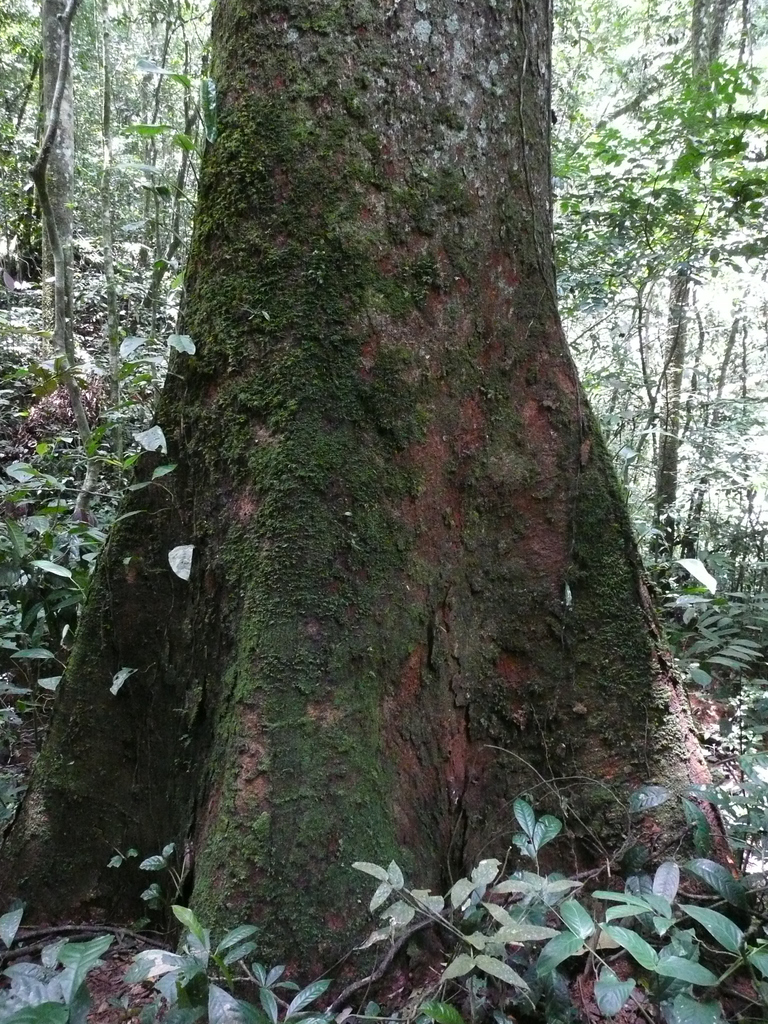
sapele
Entandrophragma cylindricum
Entandrophragma cylindricum, commonly known as the sapele or sapelli (/səˈpiːliː/ sə-PEE-lee), is a large tree native to tropical Africa. The tree is also known as aboudikro. There are protected populations and felling restrictions in place in various countries.
From the article Sapele on Wikipedia (CC BY-SA), quoted section by section
Description
The species grows to a height of up to 45 metres (148 ft). In Ghana, it has been reported to reach 60 meters (196 ft) in height. The leaves are deciduous in the dry season, alternately arranged, pinnate, with 5–9 pairs of leaflets, each leaflet about 10 cm long. The flowers are produced in loose inflorescences when the tree is leafless, each flower about 5 millimetres (1⁄4 in) diameter, with five yellowish petals. The fruit is a pendulous capsule about 10 centimetres (4 in) long and 4 cm broad; when mature it splits into five sections to release 15–20 seeds.
Range & habitat
Sapele is native to tropical Africa. There are protected populations and felling restrictions in place in various countries.
Wikipedia: “Distribution and conservation”
At the table
This commercially important hardwood is reminiscent of mahogany, and is a part of the same Meliaceae family. It is darker in tone and has a distinctive figure. Sapele is particularly prized for a lustrous, iridescent chatoyance, with colours that range from light pink to brown and gold to red. The timber provides high chatoyance, with an average value above 20 PZC. The timber has a high density range of 640–750 kg/m3 and interlocked grain, which can make machining somewhat difficult. Demand for sapele increased as a mahogany substitute in recent years due to genuine mahogany becoming a CITES Appendix II listed species. It is used in the manufacture of furniture, joinery, veneers, luxury flooring, musical instruments, and boat building. In musical instruments, it is used for the back and sides (and sometimes top) of acoustic guitar bodies, as well as the bodies of electric guitars. It is also used in manufacturing the neck piece of ukuleles and 26- and 36-string harps. In the late 1990s, it started to be used as a board for Basque percussion instruments txalaparta.
Wikipedia: “Uses”
Where it lives
Recorded sightings
—
geo-referenced records in GBIF, from museums, herbaria and field observers.
Drag the globe to turn it. Dots are where records exist, not a range map; darker means more records.
In the stacks
Searching the stacks…
Every page naming Entandrophragma cylindricum in the Biodiversity Heritage Library →
This page is assembled live from iNaturalist, GBIF, Wikipedia, the Source Library and the Internet Archive. It is not yet part of the hand-edited codex. iNaturalist taxon 191884.