 NL·0721
Herbarium of the Nature Library
- Name
- Strix varia
- Family
- Strigidae
- Native to
- Eastern North America and central Mexico; expanded across boreal Canada into British Columbia, Washington, Oregon and northern California during the 20th century
- Habitat
- Swamp forest, Mature deciduous forest, Mixed forest, Riparian woodland
On eBird ↗
Barred Owl
Live sightings near you, the range map, bar charts of when it is seen, and Macaulay Library photos and recordings.
Barred owl
Strix varia
Also calledBúho listado (Spanish) · Chouette rayée (French) · Hoot owl (American English)
A large, round-headed owl of eastern swamps and forests with soulful dark eyes and a call that asks 'Who cooks for you?'. In the last century it spread across Canada into the Pacific Northwest, where it now outcompetes the threatened Spotted Owl.
The barred owl, also known as the northern barred owl, striped owl, or more informally, hoot owl or eight hooter, is a North American large species of owl. A member of the true owl family, Strigidae, they belong to the genus Strix, which is also the origin of the family's name under Linnaean taxonomy. Barred owls are largely native to eastern North America, but have expanded their range to the West Coast of North America, where they are considered invasive. Mature forests are their preferred habitat, but they can also acclimate to various gradients of open woodlands. Their diet consists mainly of small mammals, but this species is an opportunistic predator and is known to prey upon other small vertebrates such as birds, reptiles, and amphibians, as well as a variety of invertebrates. Wikipedia
What it can do
- iCalls frequently by day as well as night
- iiTakes a wide range of prey including crayfish, fish and frogs
- iiiIts westward range expansion is one of the largest documented for a North American bird
In the field
Field marks
- aLarge, round head without ear tufts
- bDark brown eyes
- cHorizontal barring on upper breast, vertical streaks on the belly
- dGrey-brown plumage with a yellow bill
- Voice
- A rhythmic hooting 'who cooks for you, who cooks for you-all', ending in a drawl; also monkey-like cackles.
- Not to be confused with
- Spotted Owl (West) is darker with white spots instead of bars and streaks. Great Gray Owl is larger with yellow eyes. Great Horned Owl has ear tufts and yellow eyes.
- Where to see it
- Southern swamps such as Corkscrew Swamp and the Okefenokee, river bottomlands across the east, and forests of the Pacific Northwest.
- When
- Resident year-round
Listen
Looking for field recordings…
Life & habits
- Diet
- Small mammals, birds, amphibians, crayfish, fish, insects
- Habitat
- Mature forest near water — swamps, river bottoms, old woodlots
- Size
- 40–63 cm; 470–1,050 g
- Lifespan
- Banding record about 24 years
Pairs perform raucous 'caterwauling' duets of hoots, cackles and screams.
Where it lives
Recorded sightings
—
geo-referenced records in GBIF, from museums, herbaria and field observers.
Native range
Eastern North America and central Mexico; expanded across boreal Canada into British Columbia, Washington, Oregon and northern California during the 20th century
Drag the globe to turn it. Dots are where records exist, not a range map; darker means more records.
In the old herbals & bestiaries
No plate in the Source Library names this exact species, so these show its closest relatives as the old naturalists drew them: same genus, or the same kind of animal. Click a plate to read the page it came from, with translation.

In the stacks
Searching the stacks…
Every page naming Strix varia in the Biodiversity Heritage Library →
Marginalia
Its spread into the range of the Northern Spotted Owl led the US Fish and Wildlife Service to adopt a 2024 management plan that includes culling Barred Owls in parts of the Pacific Northwest.
Curiosity
Barred Owls sometimes wade into shallow water to catch fish and crayfish.
Kinship
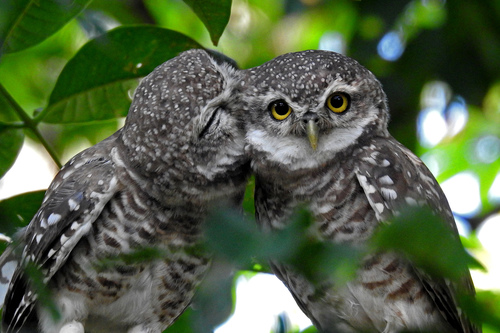
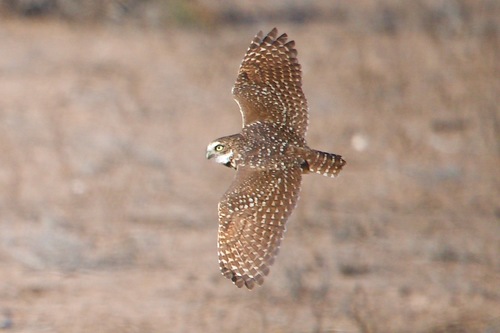
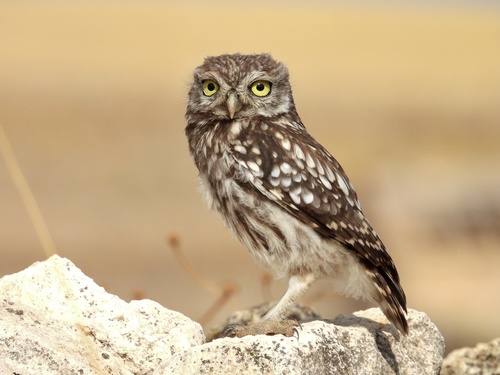
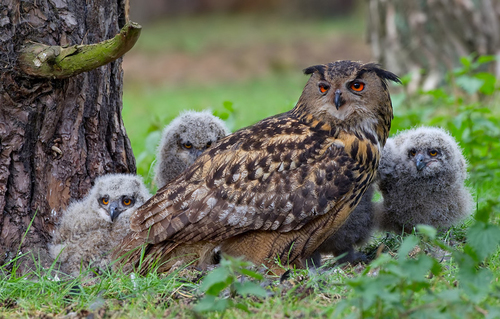
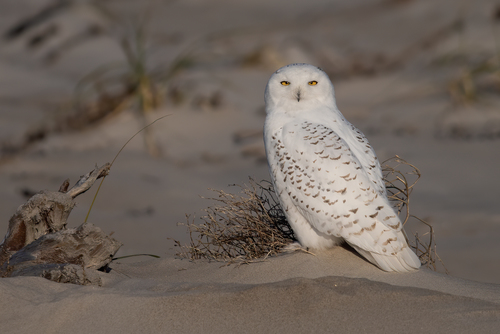
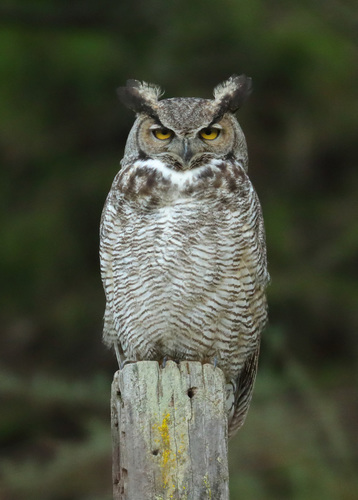
Photographs: iNaturalist contributors under the licences shown. Records: GBIF.org. Historical plates: Source Library (CC BY-SA 4.0; originals public domain). Summary text: Nature Library editors and Wikipedia (CC BY-SA). Medicinal and edibility notes are historical and educational, not advice. iNaturalist taxon 19893.