- Animals
- ›Molluscs
- ›Gastropods
- ›Caenogastropods
- ›Neogastropods
- ›Murex Snails and Allies
- ›Murex Snails
- ›Ergalataxinae
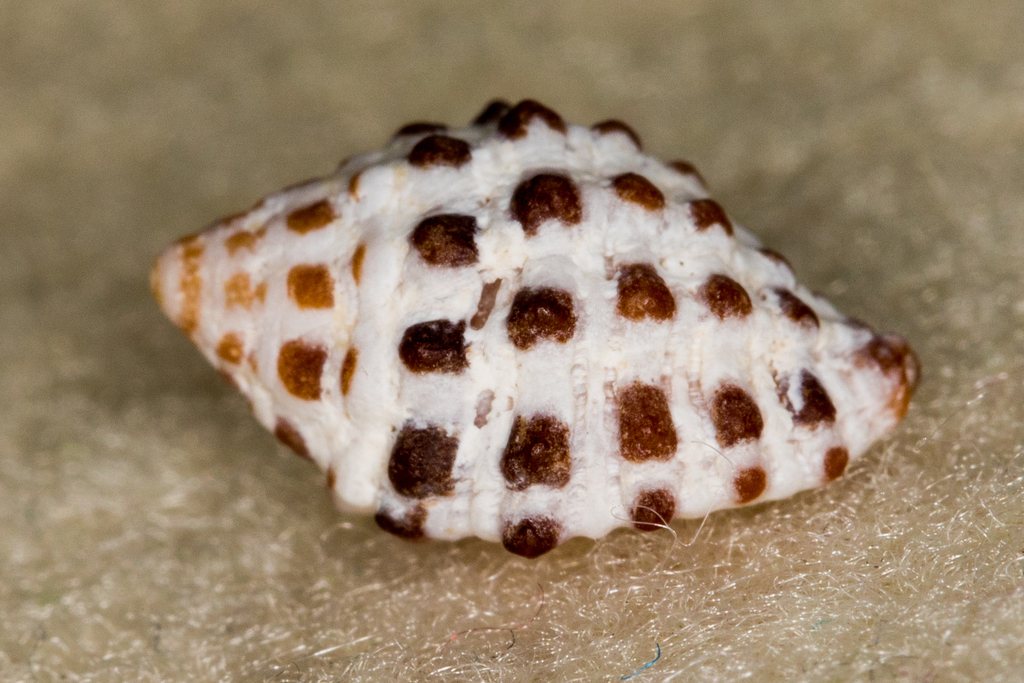
Morula
In embryology, cleavage is the division of cells in the early development of the embryo, following fertilization but before amniogenesis. The zygotes of many species undergo rapid cell cycles with no significant overall growth, producing a cluster of cells the same size as the original zygote. The different cells derived from cleavage are called blastomeres and form a compact mass called the morula. Cleavage ends with the formation of the blastula, or of the blastocyst in mammals.
Depending mostly on the concentration of yolk in the egg, the cleavage can be holoblastic (total or complete cleavage) or meroblastic (partial or incomplete cleavage). The pole of the egg with the highest concentration of yolk is referred to as the vegetal pole while the opposite is referred to as the animal pole.
18 branches of this genus, most-observed first
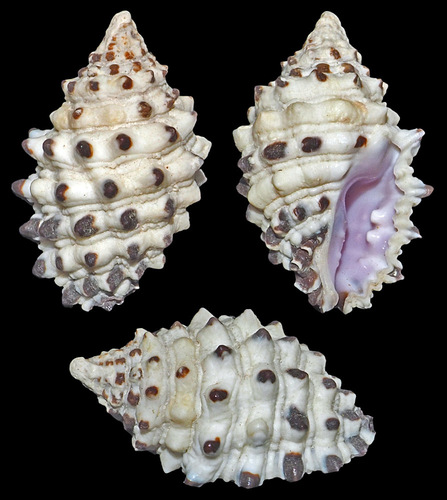
Grape Drupe
speciesMorula uva

Morula spinosa
speciesMorula spinosa

Morula striata
speciesMorula striata
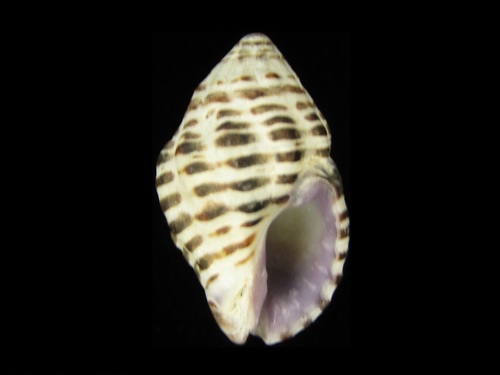
Morula iostoma
speciesMorula iostoma
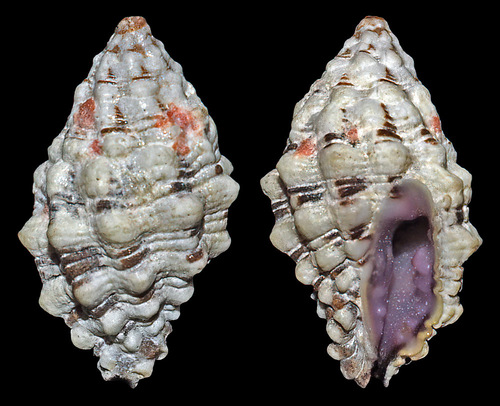
Morula aspera
speciesMorula aspera

Morula nodicostata
speciesMorula nodicostata
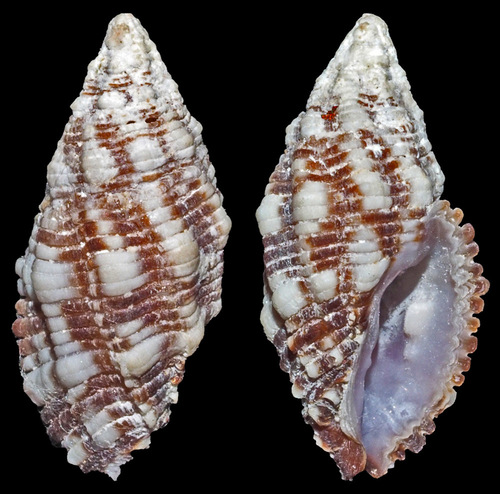
Morula biconica
speciesMorula biconica
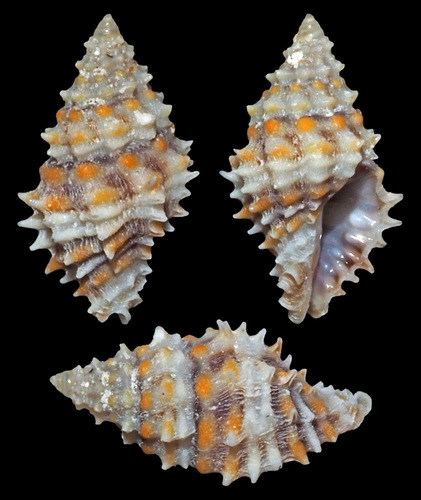
Morula echinata
speciesMorula echinata
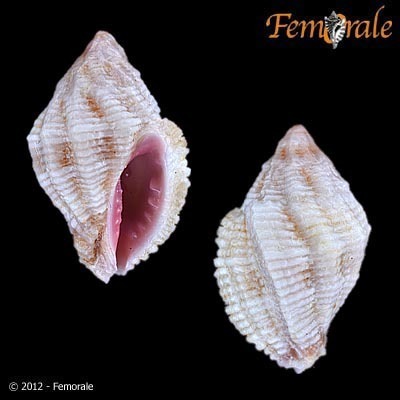
Morula porphyrostoma
speciesMorula porphyrostoma
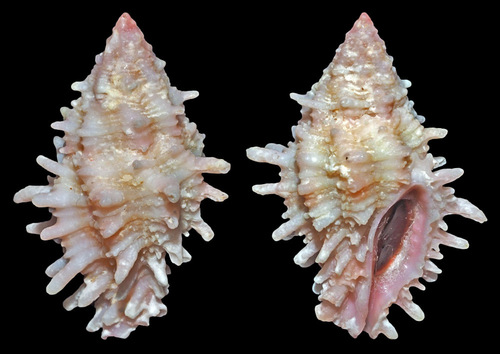
Morula ambrosia
speciesMorula ambrosia
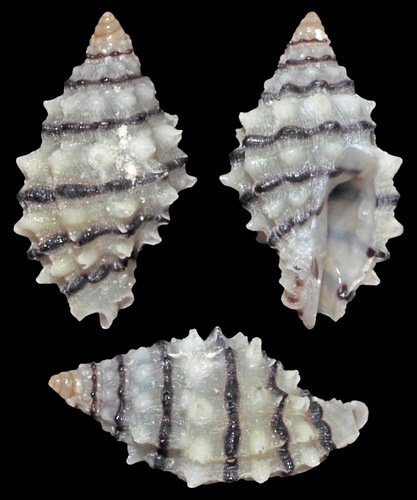
Morula albanigra
speciesMorula albanigra
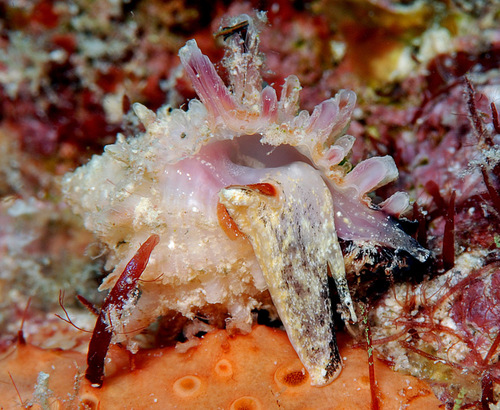
Morula aglaos
speciesMorula aglaos
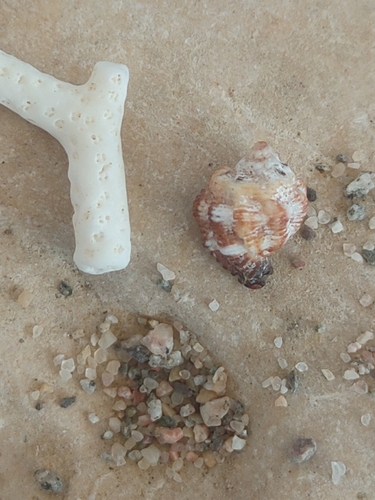
Morula chrysostoma
speciesMorula chrysostoma
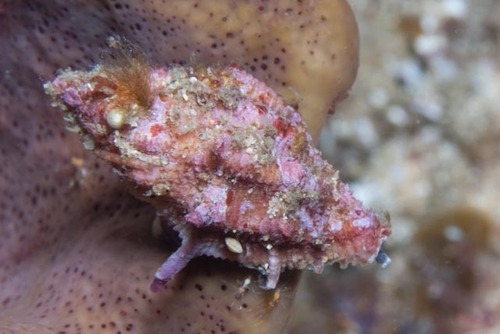
Morula coronata
speciesMorula coronata
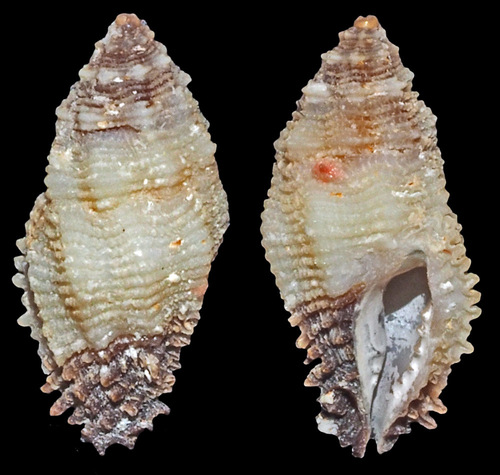
Morula dichrous
speciesMorula dichrous

Morula lepida
speciesMorula lepida
Morula angulata
speciesMorula angulata
Morula cernohorskyi
speciesMorula cernohorskyi
Where it lives
Recorded sightings
—
geo-referenced records in GBIF, from museums, herbaria and field observers.
Drag the globe to turn it. Dots are where records exist, not a range map; darker means more records.
In the stacks
Searching the stacks…
Every page naming Morula in the Biodiversity Heritage Library →
This page is assembled live from iNaturalist, GBIF, Wikipedia, the Source Library and the Internet Archive. It is not yet part of the hand-edited codex. iNaturalist taxon 209538.