- Animals
- ›Arthropods
- ›Crustaceans
- ›Typical Crustaceans
- ›Malacostracans
- ›Decapods, Isopods, and allies
- ›Decapods and Krill
- ›Decapods
- ›Crabs, Lobsters, Shrimps, and Allies
- ›True Crabs
- ›Homoloida
- ›Homoloidea
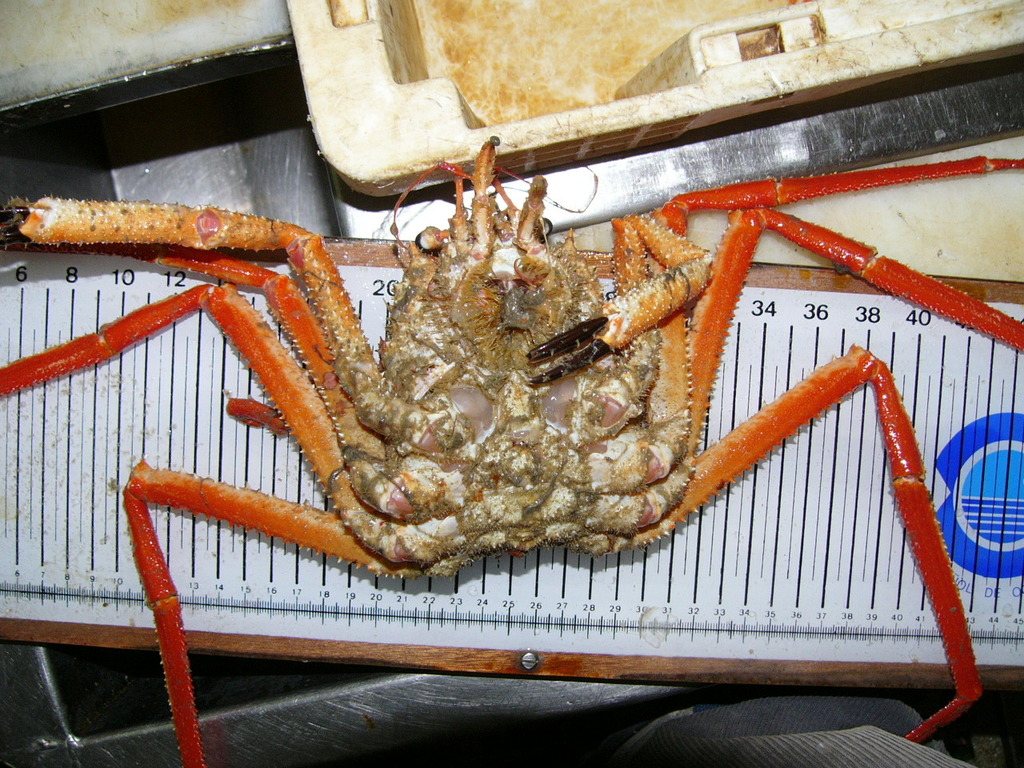
Carrier Crabs
Homolidae
The family Homolidae, known as carrier crabs or porter crabs, contains 14 genera of marine crabs. They mostly live on the continental slope and continental shelf, and are rarely encountered. Members of the Homolidae have their fifth pereiopods (last pair of walking legs) in a sub-dorsal position, which allows them to hold objects in place over the rear half of the carapace. The objects carried include sponges, black corals and gorgonians, and this behaviour may be a defence mechanism against predators. Some species have been observed carrying living sea urchins in a symbiotic relationship which allows them to benefit from the protection of the urchin's dangerous spikes.
The genus was erected by Dutch zoologist Wilhem De Haan in 1839.
14 branches of this family, most-observed first
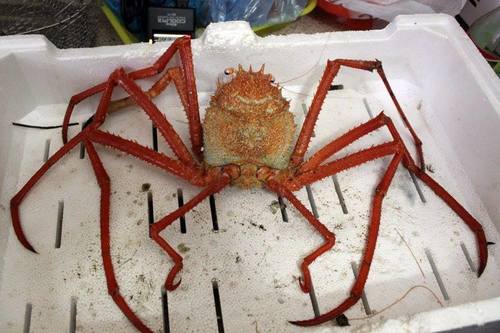
Paromola
genusParomola

Homola
genusHomola
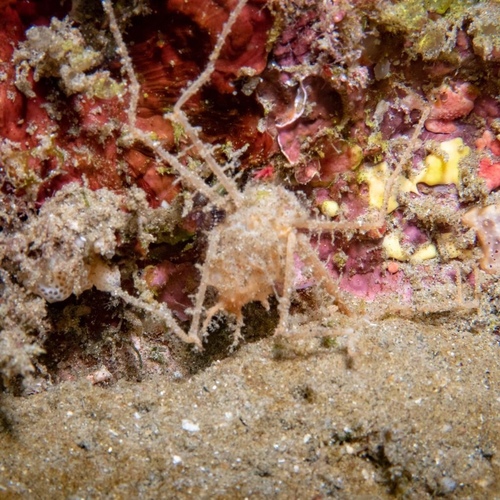
Latreillopsis
genusLatreillopsis
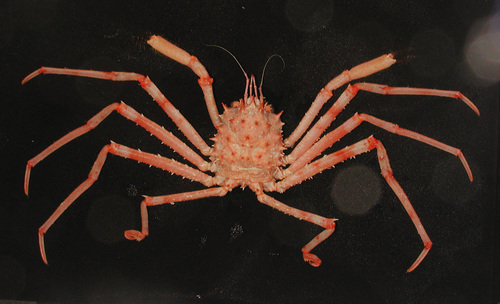
Moloha
genusMoloha
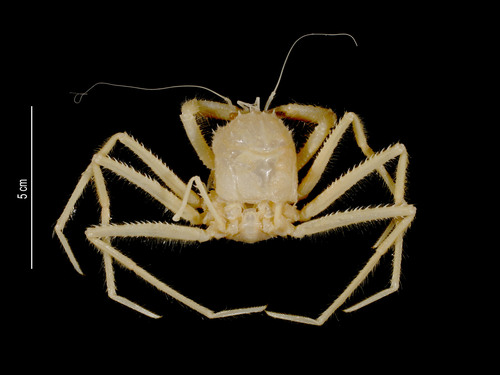
Lamoha
genusLamoha
Dagnaudus
genusDagnaudus
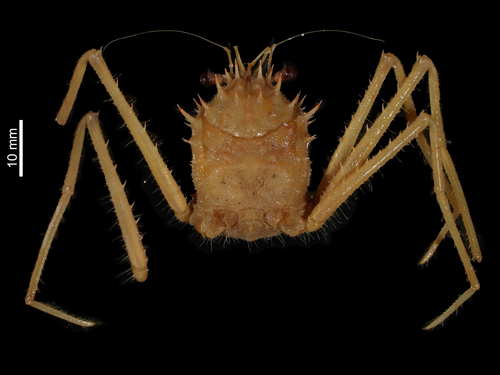
Yaldwynopsis
genusYaldwynopsis
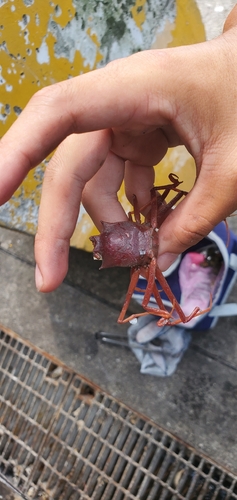
Homolomannia
genusHomolomannia
Gordonopsis
genusGordonopsis
Homolax
genusHomolax
Ihlopsis
genusIhlopsis
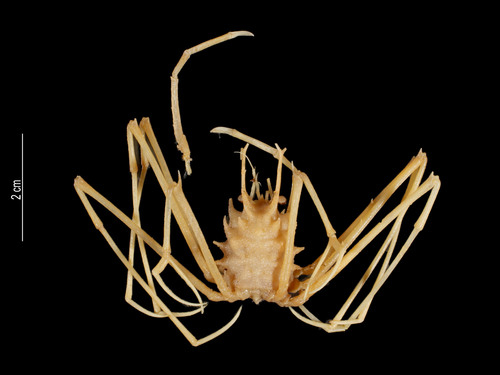
Homolochunia
genusHomolochunia
Homologenus
genusHomologenus
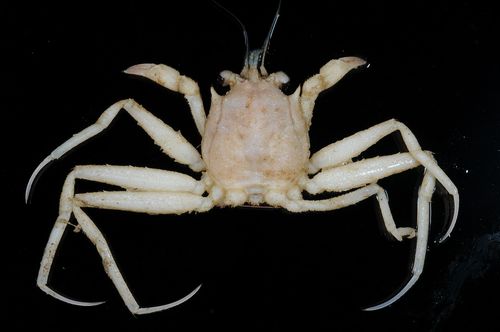
Paromolopsis
genusParomolopsis
Where it lives
Recorded sightings
—
geo-referenced records in GBIF, from museums, herbaria and field observers.
Drag the globe to turn it. Dots are where records exist, not a range map; darker means more records.
In the stacks
Searching the stacks…
Every page naming Homolidae in the Biodiversity Heritage Library →
This page is assembled live from iNaturalist, GBIF, Wikipedia, the Source Library and the Internet Archive. It is not yet part of the hand-edited codex. iNaturalist taxon 245514.