- Animals
- ›Molluscs
- ›Bivalves
- ›Autobranchia
- ›Heteroconchia
- ›Euheterodonta
- ›Imparidentia
- ›Venerids
- ›Veneroidea
- ›Venus Clams
- ›Venerinae
Timoclea
Timoclea or Timocleia of Thebes (Ancient Greek: Τιμοκλεία) is a woman whose story is told by Plutarch in his Life of Alexander, and at greater length in his Mulierum virtutes ("Virtues of Women"). According to Plutarch's biography of Alexander the Great, when his forces took Thebes during Alexander's Balkan campaign of 335 BC, Thracian forces pillaged the city, and a Thracian captain raped Timocleia. After raping her, the captain asked if she knew of any hidden money. She told him that she did, and led him into her garden, and told him there was money hidden in her well. When the Thracian captain stooped to look into the well, Timocleia pushed him down into it, and then hurled heavy stones down until the captain died.
She was then seized by the Thracian soldiers and brought before Alexander. She comported herself with great dignity and told him that her brother was Theagenes, the last commander of the Sacred Band of Thebes, who died "for the liberty of Greece" at the Battle of Chaeronea in 338 BC, defeated by Alexander's father Philip of Macedon. Alexander, filled with admiration for her courage over her "daring deed" ordered that she and her children be released without punishment for killing the Thracian captain, as he had judged that justice had already been served.
27 branches of this genus, most-observed first

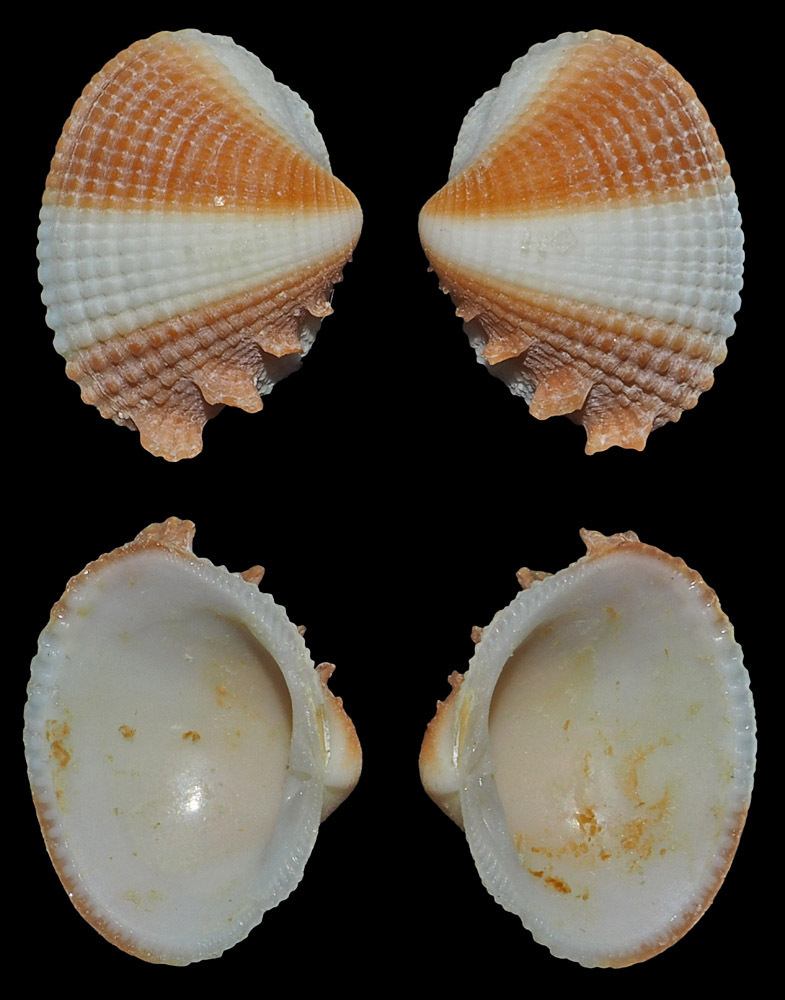
Rough Venus
speciesTimoclea scabra
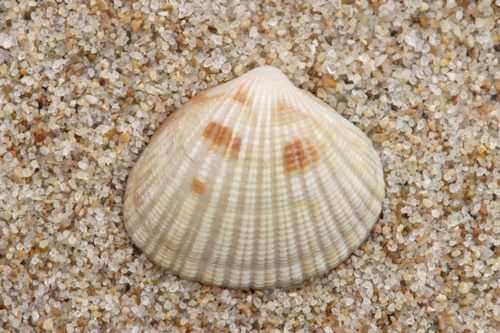
Oval Venus
speciesTimoclea ovata
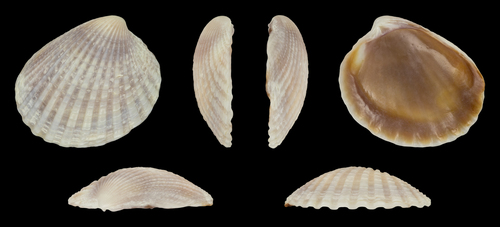
Timoclea cochinensis
speciesTimoclea cochinensis
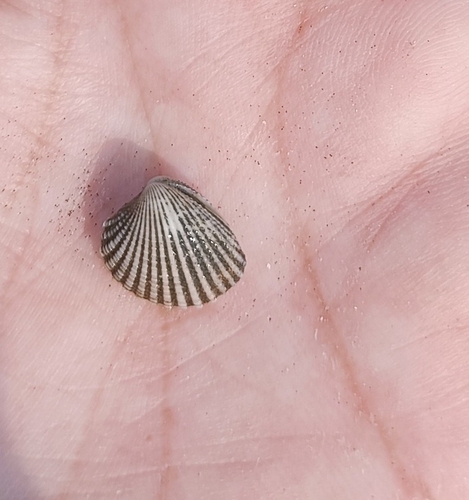
Timoclea imbricata
speciesTimoclea imbricata
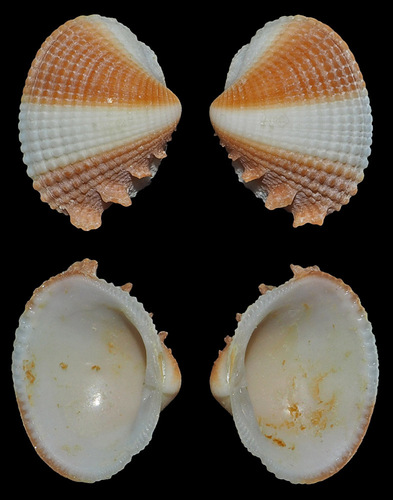
Marica Venus
speciesTimoclea marica

Timoclea subnodulosa
speciesTimoclea subnodulosa

Timoclea mindanensis
speciesTimoclea mindanensis
Timoclea micra
speciesTimoclea micra

Timoclea costellifera
speciesTimoclea costellifera
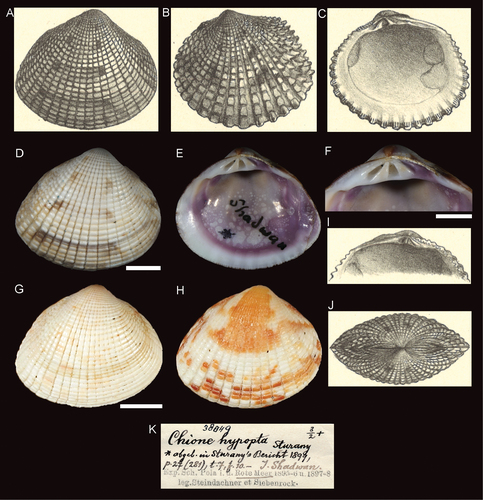
Timoclea hypopta
speciesTimoclea hypopta
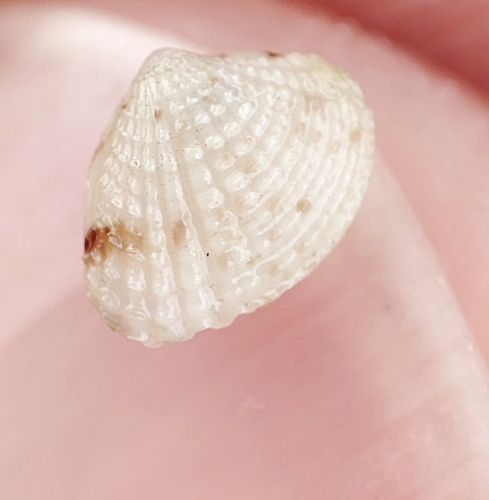
Timoclea layardi
speciesTimoclea layardi
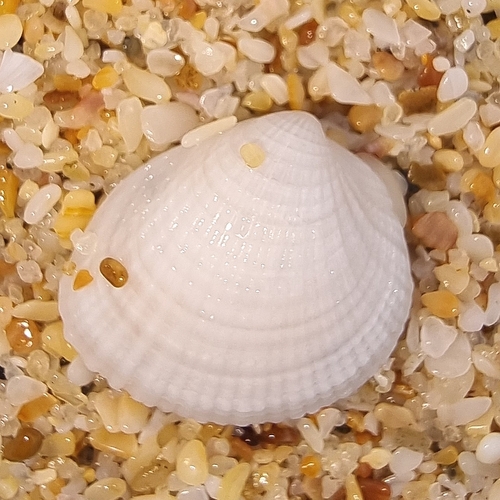
Timoclea lionota
speciesTimoclea lionota
Timoclea langfordi
speciesTimoclea langfordi
Timoclea concinna
speciesTimoclea concinna
Timoclea habei
speciesTimoclea habei
Timoclea keegani
speciesTimoclea keegani
Timoclea smithiana
speciesTimoclea smithiana
Timoclea peresi
speciesTimoclea peresi
Timoclea levukensis
speciesTimoclea levukensis
Timoclea scandularis
speciesTimoclea scandularis
Timoclea siamensis
speciesTimoclea siamensis
Timoclea crassisquamata
speciesTimoclea crassisquamata
Timoclea infans
speciesTimoclea infans
Timoclea arakana
speciesTimoclea arakana
Timoclea roemeriana
speciesTimoclea roemeriana
Timoclea decorata
speciesTimoclea decorata
Timoclea levicostata
speciesTimoclea levicostata
Where it lives
Recorded sightings
—
geo-referenced records in GBIF, from museums, herbaria and field observers.
Drag the globe to turn it. Dots are where records exist, not a range map; darker means more records.
In the stacks
Searching the stacks…
Every page naming Timoclea in the Biodiversity Heritage Library →
This page is assembled live from iNaturalist, GBIF, Wikipedia, the Source Library and the Internet Archive. It is not yet part of the hand-edited codex. iNaturalist taxon 246391.