- Animals
- ›Arthropods
- ›Hexapods
- ›Insects
- ›Winged and Once-winged Insects
- ›Ants, Bees, Wasps, and Sawflies
- ›Narrow-waisted Wasps, Ants, and Bees
- ›Proctotrupomorpha
- ›Chalcidoid Wasps
- ›Fairy Wasps
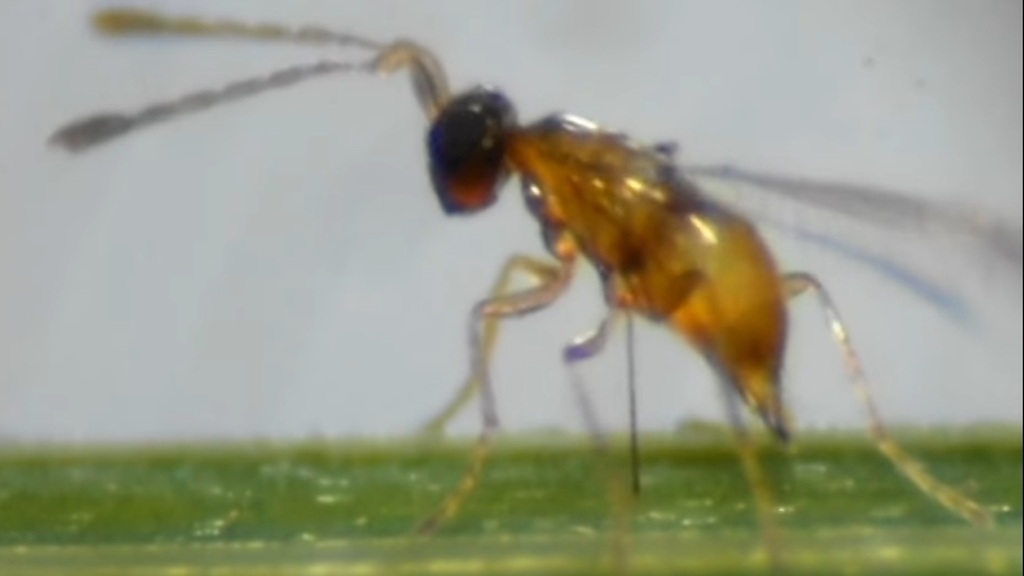
Anagrus
Anagrus is a genus of fairyflies, in the family Mymaridae, comprising over 90 species, a number of which are employed as biocontrol agents. They come in a wide array of colors such as, brown, orange, black and pale. For classificatory purposes, the genus is divided into three subgenera Anagrella, Anagrus and Paranagrus. The adults lay eggs on the host, mainly Hemiptera, with a few using Odonata as hosts.
21 branches of this genus, most-observed first

Anagrus atomus
speciesAnagrus atomus
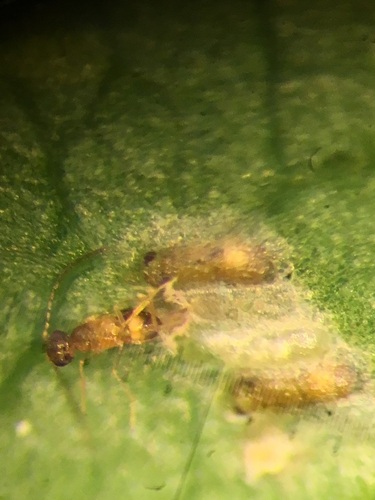
Anagrus daanei
speciesAnagrus daanei

Anagrus epos
speciesAnagrus epos

Anagrus empoascae
speciesAnagrus empoascae

Anagrus raygilli
speciesAnagrus raygilli
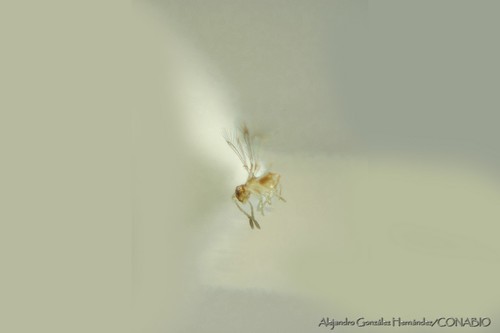
Anagrus takeyanus
speciesAnagrus takeyanus
Anagrus tretiakovae
speciesAnagrus tretiakovae
Anagrus unilinearis
speciesAnagrus unilinearis
Anagrus yawi
speciesAnagrus yawi

Anagrus frequens
speciesAnagrus frequens

Anagrus nigriventris
speciesAnagrus nigriventris
Anagrus sensillatus
speciesAnagrus sensillatus
Anagrus brevifuniculatus
speciesAnagrus brevifuniculatus
Anagrus baeri
speciesAnagrus baeri
Anagrus iti
speciesAnagrus iti
Anagrus bakkendorfi
speciesAnagrus bakkendorfi
Anagrus fennicus
speciesAnagrus fennicus
Anagrus optabilis
speciesAnagrus optabilis
Anagrus ustulatus
speciesAnagrus ustulatus

Anagrus flaveolus
speciesAnagrus flaveolus
Anagrus incarnatus
speciesAnagrus incarnatus
Where it lives
Recorded sightings
—
geo-referenced records in GBIF, from museums, herbaria and field observers.
Drag the globe to turn it. Dots are where records exist, not a range map; darker means more records.
In the stacks
Searching the stacks…
Every page naming Anagrus in the Biodiversity Heritage Library →
This page is assembled live from iNaturalist, GBIF, Wikipedia, the Source Library and the Internet Archive. It is not yet part of the hand-edited codex. iNaturalist taxon 250243.