- Plants
- ›Vascular Plants
- ›flowering plants
- ›Dicots
- ›Waterlilies, Fanworts, and Allies
- ›Waterlily Family
- ›Nymphaea
- ›Hydrocallis
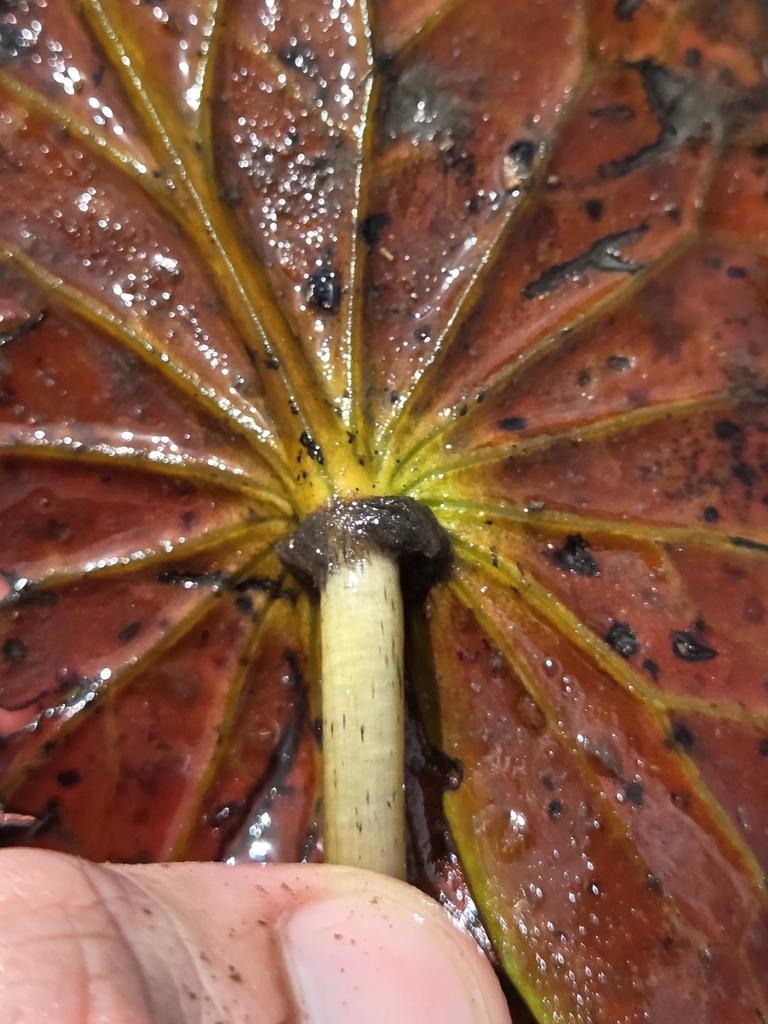
Amazon Waterlily
Nymphaea amazonum
Nymphaea amazonum is a species of water lily native to the region spanning from Mexico to tropical South America. It has been introduced to Bangladesh.
From the article Nymphaea amazonum on Wikipedia (CC BY-SA), quoted section by section
Range & habitat
In the Pantanal, it can be found in permanent ponds. It is also found in lagoons and canals. It is found growing in mixtures of clay and sand or in sandy-quartzitic soils. Rhizomes of Nymphaea amazonum can endure periods of drought in moist sediments. In the floodplains of the Amazon, it faces competition from aquatic and semi-aquatic grass species.
Wikipedia: “Habitat”
What it does
Nymphaea amazonum is stoloniferous, but does not produce proliferating pseudanthia.
Wikipedia: “Vegetative reproduction”
At the table
Nymphaea amazonum is used as a medicine and for food. The rhizomes are edible. It has the ability to absorb the pesticides cyhalothrin and imidacloprid from the water. It exhibits antimicrobial properties in the treatment of ulcers. The flowers have been used in the treatment of herpes and erysipelas.
Wikipedia: “Uses”
Where it lives
Recorded sightings
—
geo-referenced records in GBIF, from museums, herbaria and field observers.
Drag the globe to turn it. Dots are where records exist, not a range map; darker means more records.
In the stacks
Searching the stacks…
Every page naming Nymphaea amazonum in the Biodiversity Heritage Library →
This page is assembled live from iNaturalist, GBIF, Wikipedia, the Source Library and the Internet Archive. It is not yet part of the hand-edited codex. iNaturalist taxon 274191.