- Animals
- ›Arthropods
- ›Hexapods
- ›Insects
- ›Winged and Once-winged Insects
- ›Flies
- ›Brachyceran Flies
- ›Orthorrhaphan Flies
- ›Snipe Flies and Allies
- ›Horse and Deer Flies
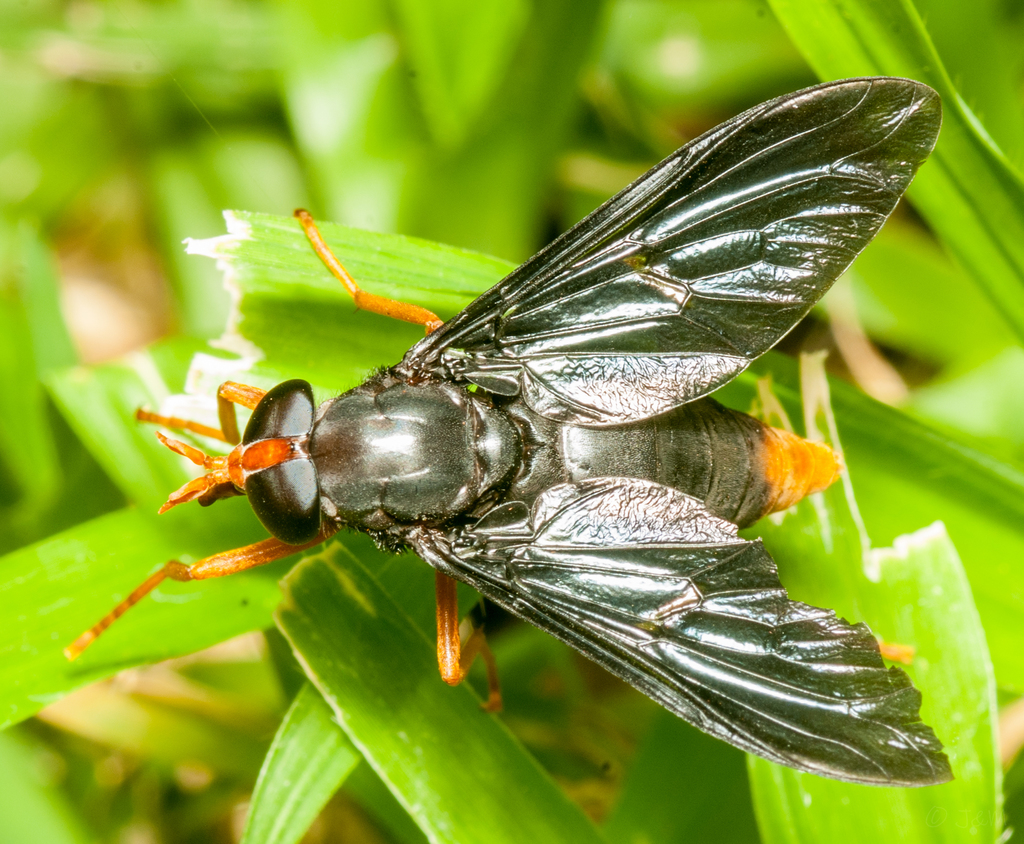
Deer Flies
Chrysopsinae
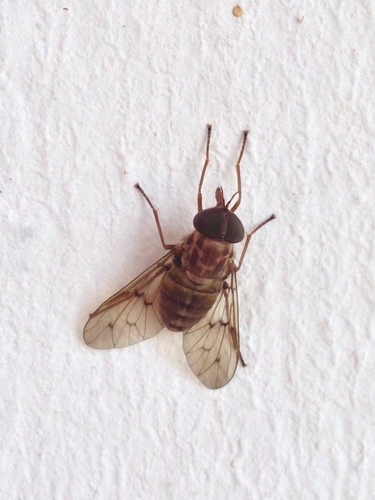
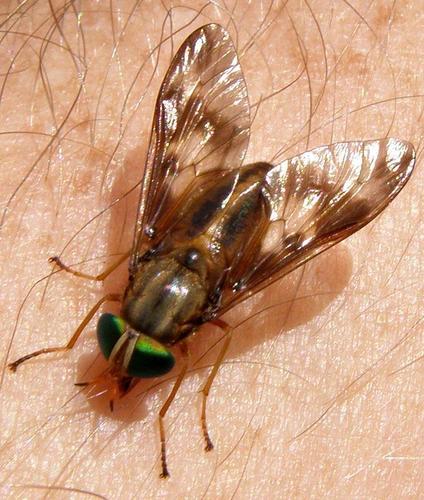
Chrysopsinae is an insect subfamily in the family Tabanidae commonly known as deer flies or sheep flies and are bloodsucking insects considered pests to humans and cattle. They are large flies with large brightly-coloured compound eyes, and large clear wings with dark bands. They are larger than the common housefly and smaller than the horse-fly.
Deer flies lay between 100 and 800 eggs on vegetation near water or dampness in batches. During the larval stage, which lasts one to three weeks, they feed on small creatures or rotting organic matter near or in the water. After a pupal stage, they emerge as adults in late spring and summer. While male deer flies collect pollen, female deer flies feed on blood, which they require to produce eggs. Females feed primarily on mammals. They are attracted to prey by sight, smell, or the carbon dioxide detection. Other attractants are body heat, movement, dark colours, and lights in the night. They are active under direct sunshine and hours when the temperature is above 22 °C (71.6°). When feeding, the females use scissor-like mandibles and maxillae to make a cross-shaped incision and then lap up the blood. Their bite can be painful. Anti-coagulants in the fly's saliva prevent blood from clotting and may cause severe allergic reactions. Parasites and diseases transmitted by the deer fly include tularemia, anthrax, anaplasmosis, equine infectious anemia, hog cholera, and filiariasis. DEET is not an effective repellent.
3 branches of this subfamily, most-observed first
See this branch on the Wheel of Life →
Where it lives
Recorded sightings
—
geo-referenced records in GBIF, from museums, herbaria and field observers.
Drag the globe to turn it. Dots are where records exist, not a range map; darker means more records.
In the stacks
Searching the stacks…
Every page naming Chrysopsinae in the Biodiversity Heritage Library →
This page is assembled live from iNaturalist, GBIF, Wikipedia, the Source Library and the Internet Archive. It is not yet part of the hand-edited codex. iNaturalist taxon 319370.