- Fungi Including Lichens
- ›Ascomycete Fungi
- ›Sac Fungi and Lichens
- ›Dothideomycetes
- ›Dothideomycetidae
- ›Capnodiales
- ›Cladosporiaceae
- ›Cladosporium
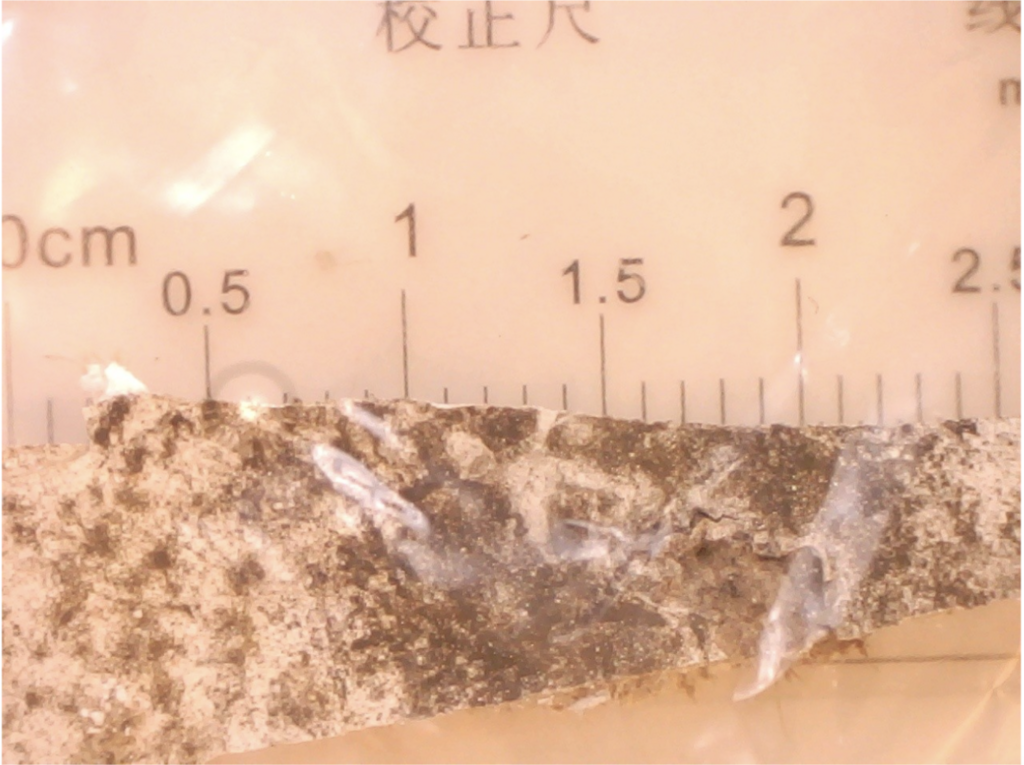
Cladosporium sphaerospermum
Cladosporium sphaerospermum is a radiotrophic fungus belonging to the genus Cladosporium and was described in 1882 by Albert Julius Otto Penzig from the decaying leaves and branches of Citrus. It is a dematiaceous (darkly-pigmented) fungus characterized by slow growth and largely asexual reproduction. Cladosporium sphaerospermum consists of a complex of poorly morphologically differentiated "cryptic" species that share many physiological and ecological attributes. In older literature, all of these sibling species were classified as C. sphaerospermum despite their unique nature. Accordingly, there is confusion in older literature reports on the physiological and habitat regularities of C. sphaerospermum in the strict sense. This fungus is most phylogenetically similar to C. fusiforme. According to modern phylogenetic analyses, the previously synonymized species, Cladosporium langeroni, is a distinct species.
From the article Cladosporium sphaerospermum on Wikipedia (CC BY-SA), quoted section by section
Range & habitat
Cladosporium sphaerospermum is a cosmopolitan fungus that inhabits city buildings and the environment and because of its airborne nature it can move rapidly between locations, though the extent of this is lacking in research. It is found in hypersaline environments in Mediterranean and tropical climates, as well as soil and plant environments in temperate climates. The indoor presence of this fungus can signify there is a condensation problem within the building such as on bathroom walls and in kitchens. Cladosporium sphaerospermum has also been shown to inhabit paint films on walls and other surfaces as well as old paintings. This fungus is also able to grow on gypsum-based material with and without paint and wallpaper. Plant materials that are affected include citrus leaves and various other decaying plant leaves, on the stems of herbaceous and woody plants, on fruits and vegetables. The fungus has also been reported from wheat-based bakery items.
Wikipedia: “Habitat and ecology”
Where it lives
Recorded sightings
—
geo-referenced records in GBIF, from museums, herbaria and field observers.
Drag the globe to turn it. Dots are where records exist, not a range map; darker means more records.
In the stacks
Searching the stacks…
Every page naming Cladosporium sphaerospermum in the Biodiversity Heritage Library →
This page is assembled live from iNaturalist, GBIF, Wikipedia, the Source Library and the Internet Archive. It is not yet part of the hand-edited codex. iNaturalist taxon 327954.