- Fungi Including Lichens
- ›Ascomycete Fungi
- ›Sac Fungi and Lichens
- ›Sordariomycetes
- ›Hypocreomycetidae
- ›Hypocreales
- ›Clavicipitaceae
- ›Metarhizium
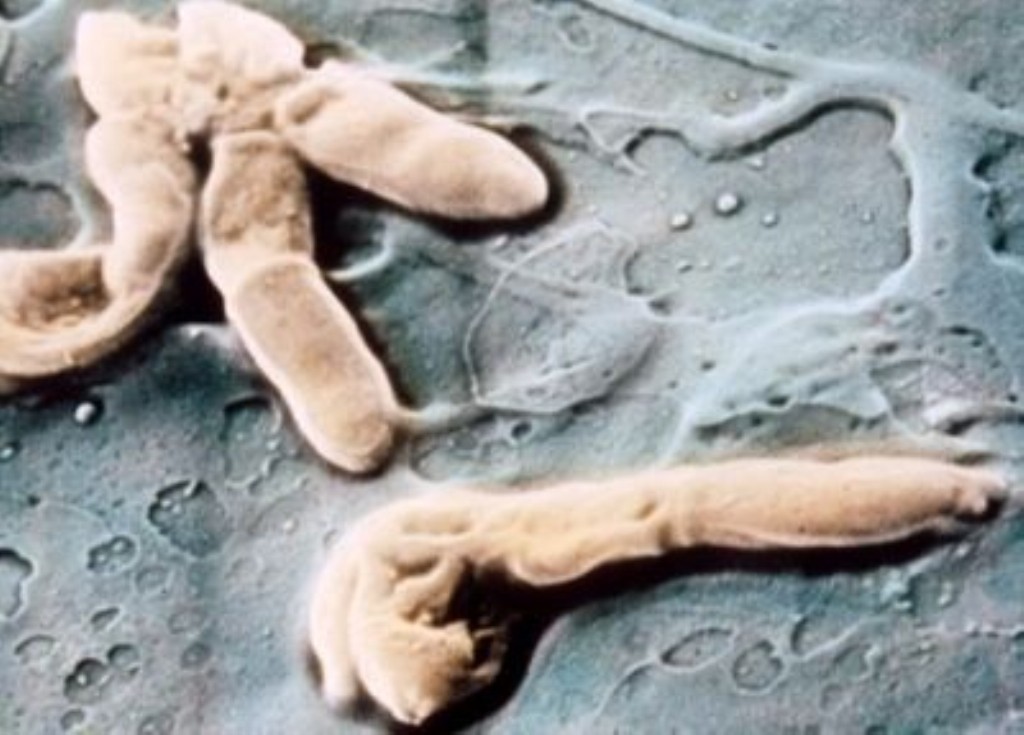
Metarhizium flavoviride
Metarhizium flavoviride is a Sordariomycete in the order Hypocreales and family Clavicipitaceae. The genus Metarhizium currently consists of over 70 described species and are a group of fungal isolates that are known to be virulent against Hemiptera and some Coleoptera. M. flavoviride is described as its own species, but there also exists a variety of M. flavoviride, which is M. flavoviride var. flavoviride. Previously described varieties of M. flavoviride have been documented, however recent random amplified polymorphic DNA (RAPD) markers have assigned these varieties as new species. The reassigned species are as follows: M. flavoviride Type E is now M. brasiliense; M. flavoviride var. minus is now M. minus; M. flavoviride var. novozealandicum is now M. novozealandicum; and M. flavoviride var. pemphigi is now M. pemphigi.
All species in the Metarhizium genus are entomopathogenic, infecting a variety of hosts ranging from those in the orders Coleoptera, Hemiptera, Diptera, and Orthoptera. Hosts are often agriculturally important pests.
From the article Metarhizium flavoviride on Wikipedia (CC BY-SA), quoted section by section
Description
Historically, less than 10 species in the Metarhizium genus were distinguished from each other by morphological traits such as differences in conidial shape, colour, and conidiogenous cells. M. flavoviride was one of these, with conidia (spores) ranging in colour from vibrant green to light grey-green. Conidiogenous cells are 7–11 μm long and clavate, broadly ellipsoid, or ovoid. Conidia are relatively slow to develop. These taxonomic morphological differences were later substantiated by allozyme analyses. However, recent studies indicate that using morphological characteristics is not an accurate method to distinguish between different Metarhizium species and their respective varieties, and instead, molecular and genetic techniques should be used.
Range & habitat
Metarhizium species and M. flavoviride have been isolated from multiple soil types from all types of climates across all continents (excluding Antarctica) and have been found to infect many different arthropods. M. flavoviride has been found in a wide range of soils, particularly in agricultural habitats; they are often found in soils associated with roots of plants where host pests feed on. Some data have supported the finding that undisturbed habitats with naturally occurring vegetation are more likely to support entomopathogenic fungi such as M. flavoviride. It is of interest to continue research regarding the abundance and occurrence of M. flavoviride as it concerns using entomopathogenic fungi as a form of biological control. In the Shaanxi province in China, it was found that the richness of Metarhizium species decreased with increasing elevation.
Wikipedia: “Distribution and habitat”
Where it lives
Recorded sightings
—
geo-referenced records in GBIF, from museums, herbaria and field observers.
Drag the globe to turn it. Dots are where records exist, not a range map; darker means more records.
In the stacks
Searching the stacks…
Every page naming Metarhizium flavoviride in the Biodiversity Heritage Library →
This page is assembled live from iNaturalist, GBIF, Wikipedia, the Source Library and the Internet Archive. It is not yet part of the hand-edited codex. iNaturalist taxon 328136.