- Fungi Including Lichens
- ›Ascomycete Fungi
- ›Sac Fungi and Lichens
- ›Sordariomycetes
- ›Hypocreomycetidae
- ›Glomerellales
- ›Plectosphaerellaceae
Verticillium
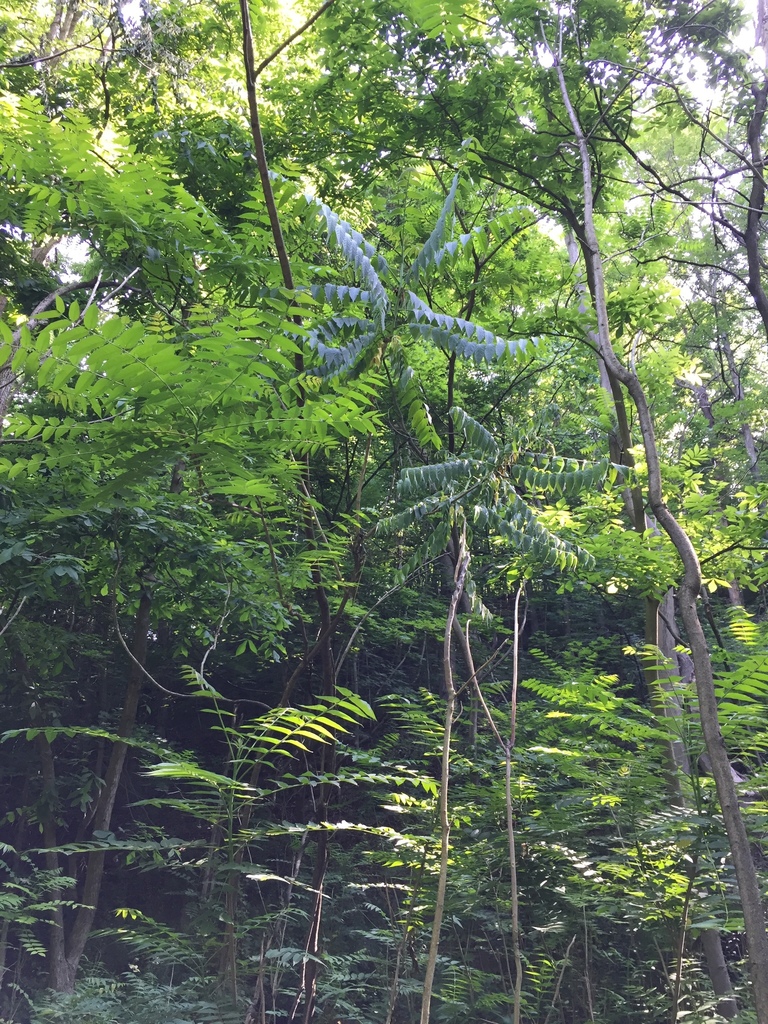
Verticillium is a genus of fungi in the division Ascomycota, and are an anamorphic form of the family Plectosphaerellaceae. The genus used to include diverse groups comprising saprobes and parasites of higher plants, insects, nematodes, mollusc eggs, and other fungi, thus the genus used to have a wide-ranging group of taxa characterised by simple but ill-defined characters. The genus, currently thought to contain 51 species, may be broadly divided into three ecologically based groups - mycopathogens, entomopathogens, and plant pathogens and related saprotrophs. However, the genus has undergone recent revision into which most entomopathogenic and mycopathogenic isolates fall into a new (unrelated) group called Lecanicillium.
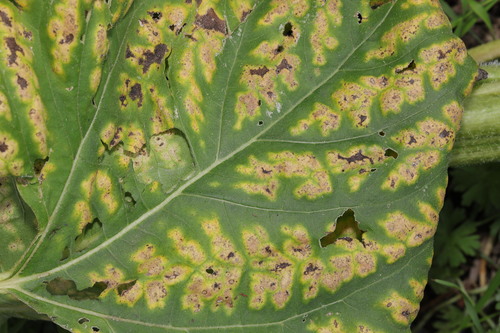
At least five species are known to cause a wilt disease in plants called verticillium wilt: V. dahliae, V. longisporum, V. albo-atrum, V. nubilum, and V. tricorpus. A sixth species, V. theobromae, causes fruit or crown rot, a non-wiliting disease.
16 branches of this genus, most-observed first
Verticillium dahliae
speciesVerticillium dahliae
Verticillium albo-atrum
speciesVerticillium albo-atrum
Verticillium tubercularioides
speciesVerticillium tubercularioides
Verticillium nonalfalfae
speciesVerticillium nonalfalfae
Verticillium discisedum
speciesVerticillium discisedum
Verticillium insectorum
speciesVerticillium insectorum
Verticillium tricorpus
speciesVerticillium tricorpus
Verticillium alfalfae
speciesVerticillium alfalfae
Verticillium glaucum
speciesVerticillium glaucum
Verticillium terrestre
speciesVerticillium terrestre
Verticillium quaternellum
speciesVerticillium quaternellum
Verticillium candidum
speciesVerticillium candidum
Verticillium coccosporum
speciesVerticillium coccosporum
Verticillium nubilum
speciesVerticillium nubilum
Verticillium effusum
speciesVerticillium effusum
Verticillium pseudohemipterigenum
speciesVerticillium pseudohemipterigenum
Where it lives
Recorded sightings
—
geo-referenced records in GBIF, from museums, herbaria and field observers.
Drag the globe to turn it. Dots are where records exist, not a range map; darker means more records.
In the stacks
Searching the stacks…
Every page naming Verticillium in the Biodiversity Heritage Library →
This page is assembled live from iNaturalist, GBIF, Wikipedia, the Source Library and the Internet Archive. It is not yet part of the hand-edited codex. iNaturalist taxon 328172.