- Animals
- ›Arthropods
- ›Hexapods
- ›Insects
- ›Winged and Once-winged Insects
- ›Ants, Bees, Wasps, and Sawflies
- ›Narrow-waisted Wasps, Ants, and Bees
- ›Ants, Bees, and Stinging Wasps
- ›Bees and Apoid Wasps
- ›Bees
- ›Honey Bees, Bumble Bees, and Allies
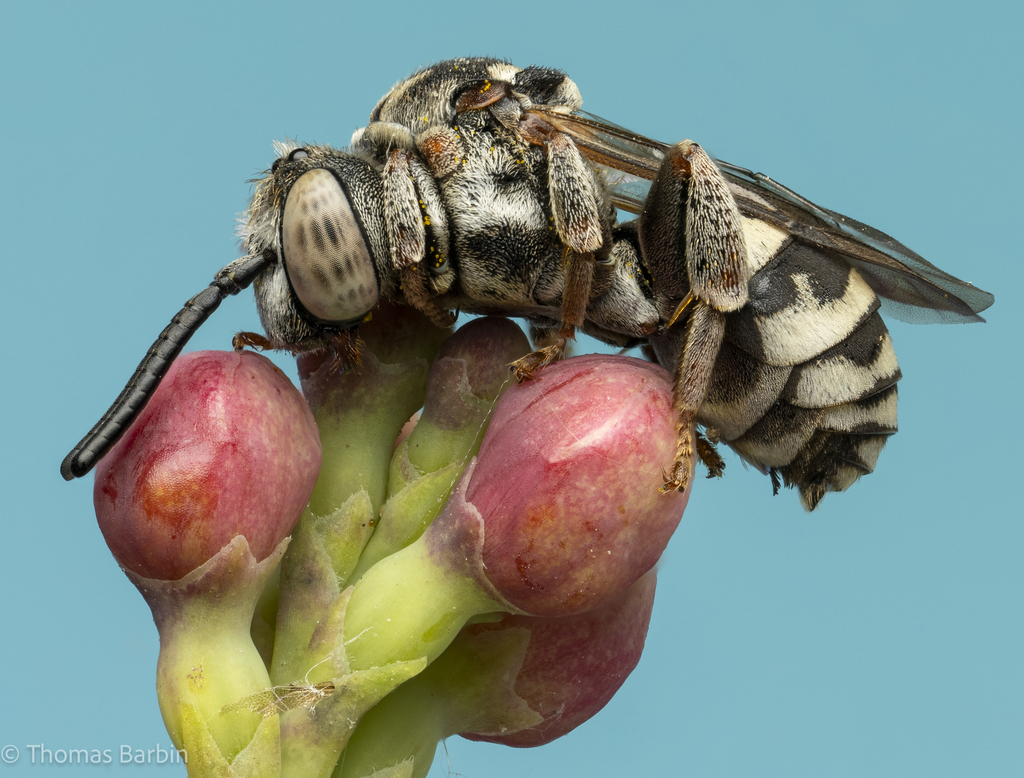
Nomad and related cuckoo bees
Nomadinae
Nomadinae is a subfamily of bees in the family Apidae. They are known commonly as cuckoo bees.
This subfamily is entirely kleptoparasitic. They occur worldwide, and use many different types of bees as hosts. As parasites, they lack a pollen-carrying scopa, and are often extraordinarily wasp-like in appearance. All known species share the behavioral trait of females entering host nests when the host is absent, and inserting their eggs into the wall of the host cell; the larval parasite emerges later, after the cell has been closed by the host female, and kills the host larva. The first-instar larvae of nomadines are specially adapted for this, and possess long mandibles they use to kill the host larva, though these mandibles are lost as soon as the larva molts to the second instar, at which point it simply feeds on the pollen/nectar provisions. A behavioral habit shared by adults of various genera with males of many other bee species, who also do not possess a nest to return to, is that they frequently rest while grasping onto plant stems or leaves with only their mandibles.
10 branches of this subfamily, most-observed first
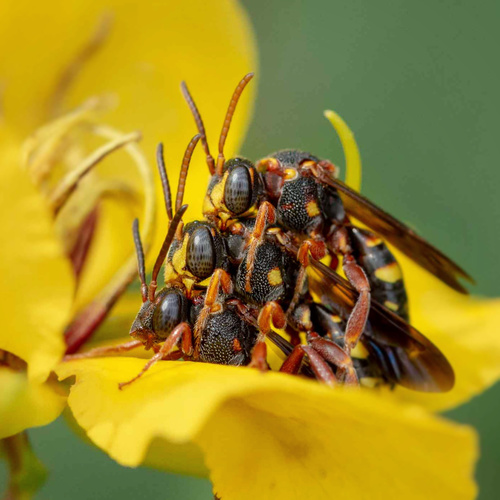
Nomadini
tribeNomadini

Epeolini
tribeEpeolini
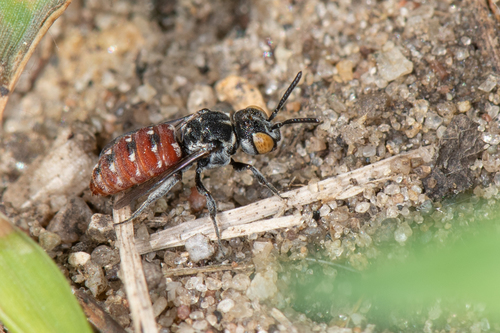
Ammobatoidini
tribeAmmobatoidini

Ammobatini
tribeAmmobatini

Biastini
tribeBiastini
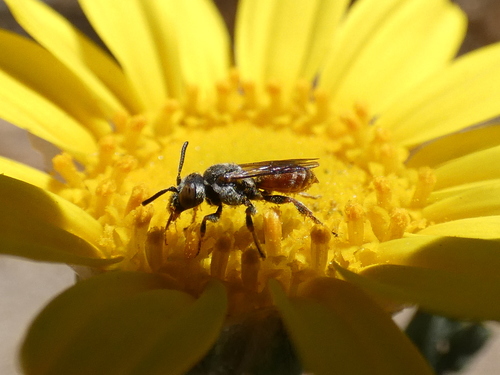
Brachynomadini
tribeBrachynomadini
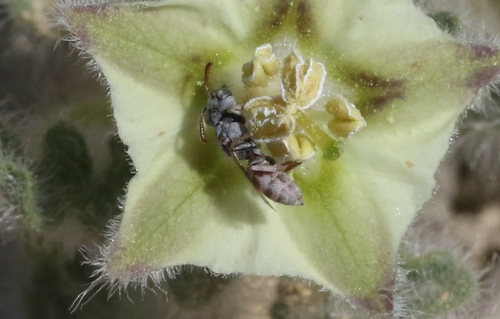
Neolarrini
tribeNeolarrini
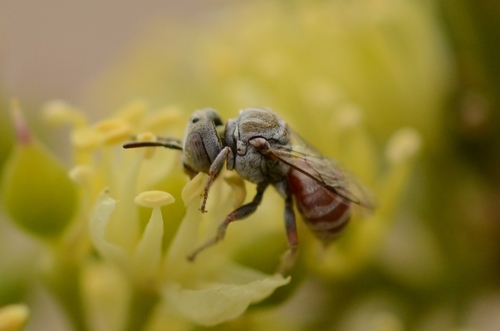
Townsendiellini
tribeTownsendiellini
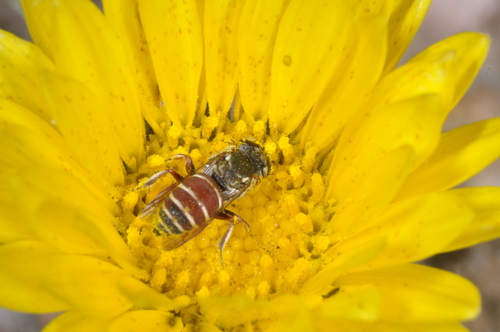
Caenoprosopidini
tribeCaenoprosopidini
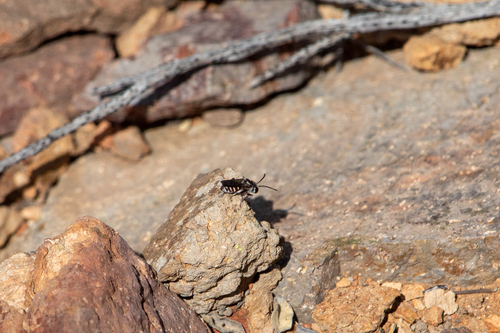
Hexepeolini
tribeHexepeolini
Where it lives
Recorded sightings
—
geo-referenced records in GBIF, from museums, herbaria and field observers.
Drag the globe to turn it. Dots are where records exist, not a range map; darker means more records.
In the stacks
Searching the stacks…
Every page naming Nomadinae in the Biodiversity Heritage Library →
This page is assembled live from iNaturalist, GBIF, Wikipedia, the Source Library and the Internet Archive. It is not yet part of the hand-edited codex. iNaturalist taxon 335715.