- Animals
- ›Arthropods
- ›Hexapods
- ›Insects
- ›Winged and Once-winged Insects
- ›Flies
- ›Brachyceran Flies
- ›Orthorrhaphan Flies
- ›Dance Flies, Long-legged Flies, and Allies
- ›Dance Flies
Empidinae
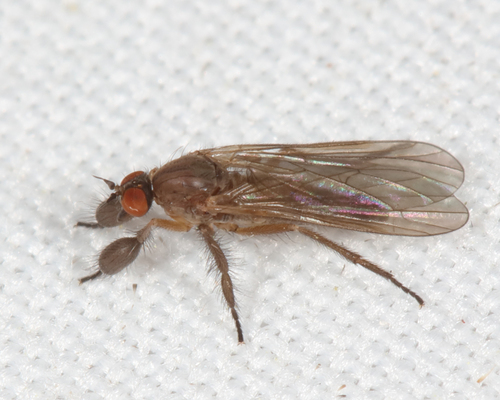
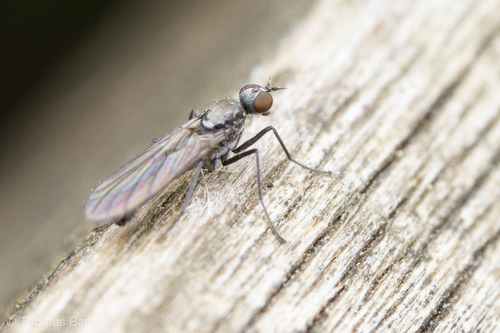
Empidinae, also called dance flies, are a subfamily of empidoid flies. They belong to the Eremoneura, a lineage of flies whose larvae pass through three stages. The name “dance flies” comes from their mating swarms, formed by males or, in some species, by females; in many cases males present captured prey to females during these gatherings. They are mainly predatory flies like most of their relatives, and generally small to medium-sized. Most species are flower visitors and they can be effective pollinators.
3 branches of this subfamily, most-observed first
See this branch on the Wheel of Life →
Where it lives
Recorded sightings
—
geo-referenced records in GBIF, from museums, herbaria and field observers.
Drag the globe to turn it. Dots are where records exist, not a range map; darker means more records.
In the stacks
Searching the stacks…
Every page naming Empidinae in the Biodiversity Heritage Library →
This page is assembled live from iNaturalist, GBIF, Wikipedia, the Source Library and the Internet Archive. It is not yet part of the hand-edited codex. iNaturalist taxon 349059.