- Fungi Including Lichens
- ›Ascomycete Fungi
- ›Sac Fungi and Lichens
- ›Dothideomycetes
- ›Pleosporomycetidae
- ›Pleosporales
- ›Pleosporaceae
- ›Alternaria
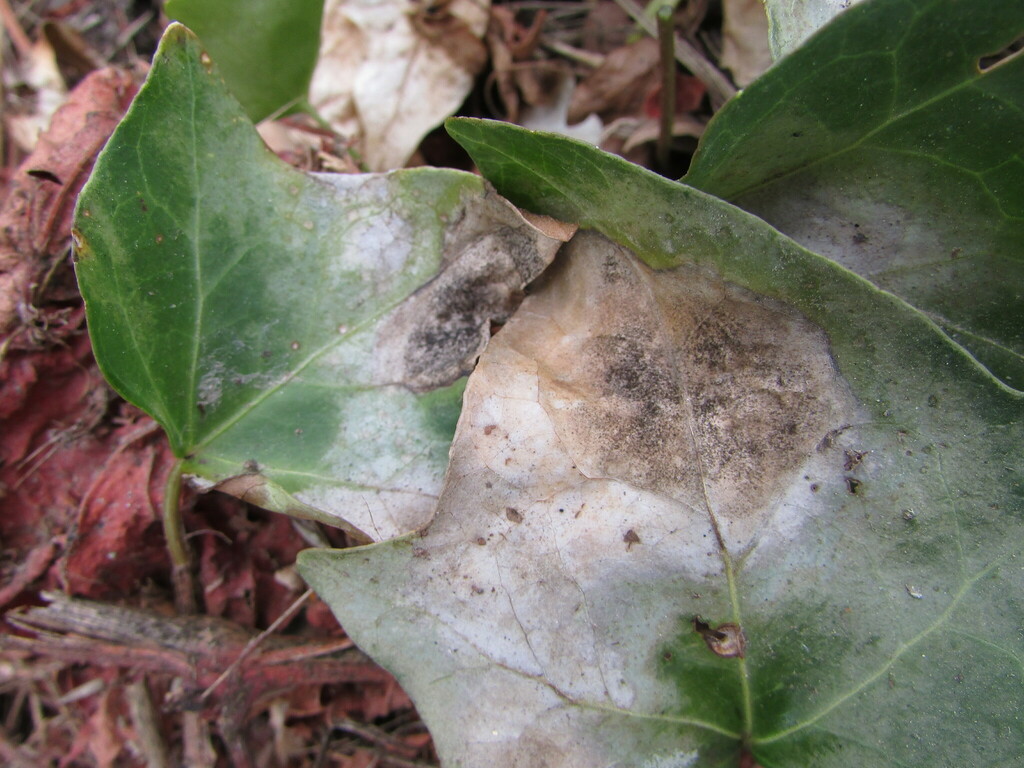
Alternaria tenuissima
Alternaria tenuissima is a saprophytic fungus and opportunistic plant pathogen. It is cosmopolitan in distribution, and can colonize a wide range of plant hosts. Colonies of A. tenuissima produce chains on agar growth media. The fungus often forms concentric ring patterns on infected plant leaves. This species produces the allergen Alt a 1, one of the most important outdoor seasonal fungal allergens associated with allergy and asthma provocation. In rare circumstances, this species is also known to infect immunosuppressed humans and animals.
From the article Alternaria tenuissima on Wikipedia (CC BY-SA), quoted section by section
Range & habitat
Alternaria tenuissima is a cosmopolitan species, common on an array of various plant hosts in many countries spanning a range of environmental conditions. It often colonizes blueberries, tomatoes, grapevine, and strawberries. It has also been found on several cereal grain species. Optimal growth occurs between 25–30 °C (77–86 °F). Although A. tenuissima is normally an opportunistic pathogen of plants, rare cases of skin infections in immunocompromised people have been reported.
Wikipedia: “Habitat and ecology”
In medicine
Cutaneous and subcutaneous alternariosis is a skin or tissue infection caused by members of the genus Alternaria, most commonly A. alternata and A. tenuissima. Because of the inability of A. tenuissima to invade healthy host tissue, alternariosis tends to be restricted to people with abrogated cellular immunity and occasionally the elderly. Complication following organ transplantion, Cushing's syndrome and immunosuppressive therapies are some of the typical settings in which alternariosis has been reported. Alternariosis appears on the skin as red pustules that may produce ulcers over time. Alternaria tenuissima is a prolific producer of the allergen Alt a 1. Exposure to this protein can induce an allergic reaction in sensitized individuals by reacting with circulating IgE antibody. Exposure to Alt a 1 has been associated with asthmatic exacerbation. Alternaria tenuissima also produces the mycotoxin tenuazonic acid which has received attention as a candidate antitumor medication.
Wikipedia: “Medical significance”
Where it lives
Recorded sightings
—
geo-referenced records in GBIF, from museums, herbaria and field observers.
Drag the globe to turn it. Dots are where records exist, not a range map; darker means more records.
In the stacks
Searching the stacks…
Every page naming Alternaria tenuissima in the Biodiversity Heritage Library →
This page is assembled live from iNaturalist, GBIF, Wikipedia, the Source Library and the Internet Archive. It is not yet part of the hand-edited codex. iNaturalist taxon 350025.