- Fungi Including Lichens
- ›Basidiomycete Fungi
- ›Higher Basidiomycetes
- ›Mushrooms, Bracket Fungi, Puffballs, and Allies
- ›Auriculariales
- ›Auriculariaceae
Heterochaete
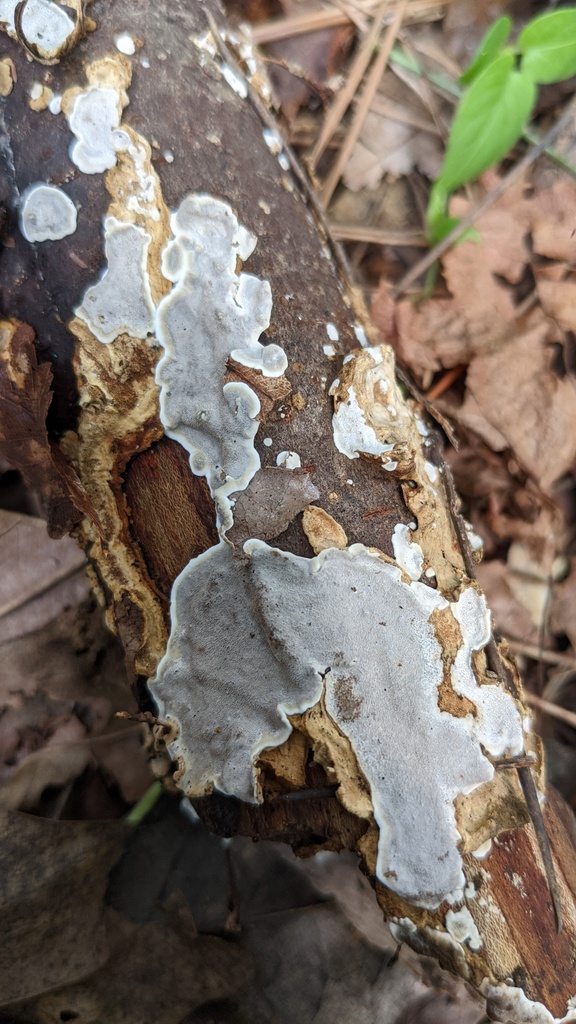
Heterochaete is a genus of fungi in the order Auriculariales. Species produce effused, gelatinous, waxy, or leathery basidiocarps (fruit bodies) on wood, partly or wholly covered in small sterile spines or pegs. The presence of these sterile spines distinguishes the genus from Exidiopsis, species of which are microscopically similar but have smooth basidiocarps.
Heterochaete was monographed by Bodman in 1952 who accepted some 29 species worldwide, most of them from the tropics and subtropics. On the basis of morphological differences, Bodman considered the genus to be heterogeneous and this has been confirmed by molecular research, based on cladistic analysis of DNA sequences. As a result, several species previously placed in Heterochaete have now been referred to the genera Crystallodon, Eichleriella, Heteroradulum, Hirneolina, Metulochaete, and Tremellochaete.
6 branches of this genus, most-observed first
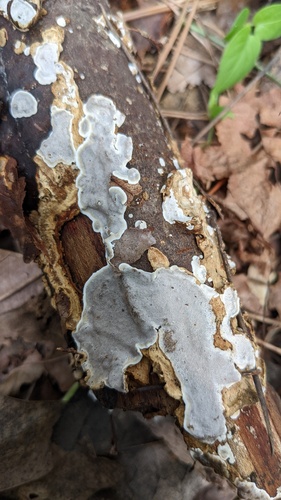
Heterochaete delicata
speciesHeterochaete delicata
Heterochaete andina
speciesHeterochaete andina
Heterochaete gelatinosa
speciesHeterochaete gelatinosa
Heterochaete microspora
speciesHeterochaete microspora
Heterochaete grandispora
speciesHeterochaete grandispora
Heterochaete byliana
speciesHeterochaete byliana
Where it lives
Recorded sightings
—
geo-referenced records in GBIF, from museums, herbaria and field observers.
Drag the globe to turn it. Dots are where records exist, not a range map; darker means more records.
In the stacks
Searching the stacks…
Every page naming Heterochaete in the Biodiversity Heritage Library →
This page is assembled live from iNaturalist, GBIF, Wikipedia, the Source Library and the Internet Archive. It is not yet part of the hand-edited codex. iNaturalist taxon 351119.