- Animals
- ›Arthropods
- ›Hexapods
- ›Insects
- ›Winged and Once-winged Insects
- ›True Bugs, Hoppers, Aphids, and allies
- ›Plant-parasitic Hemipterans
- ›Scale Insects
- ›Soft scales
- ›Eulecaniinae
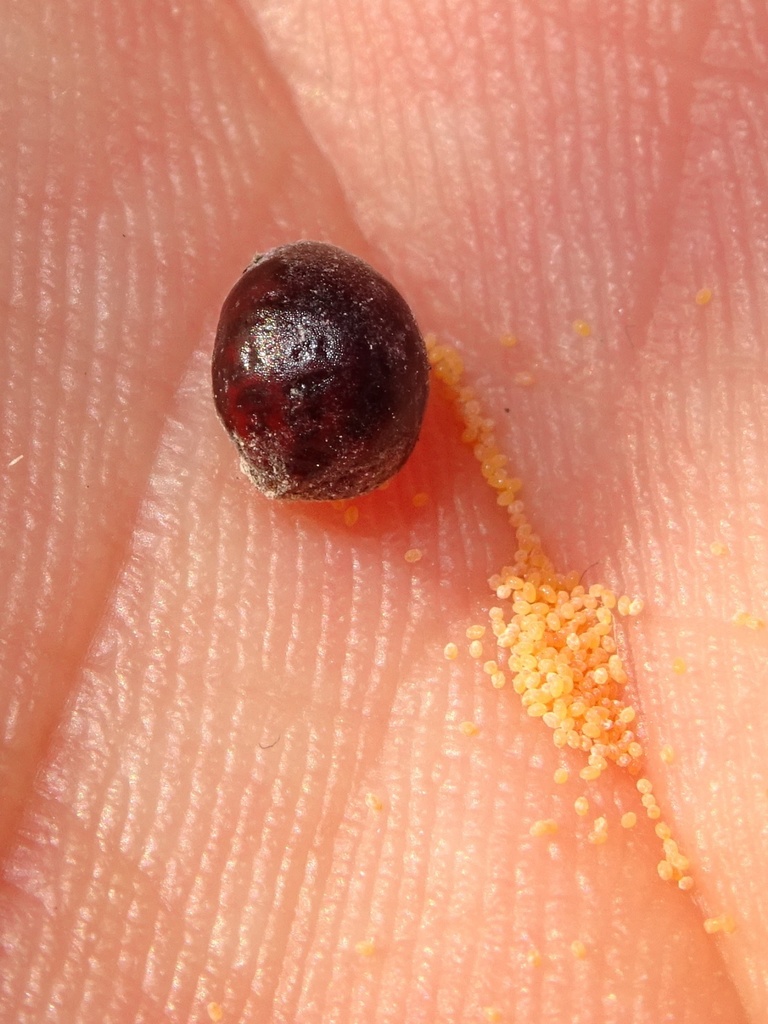
Rhodococcus
Rhodococcus is a genus of aerobic, nonsporulating, nonmotile Gram-positive bacteria closely related to Mycobacterium and Corynebacterium. While a few species are pathogenic, most are benign, and have been found to thrive in a broad range of environments, including soil, water, and eukaryotic cells. Some species have large genomes, including the 9.7 megabasepair genome (67% G/C) of Rhodococcus sp. RHA1.
Strains of Rhodococcus are important owing to their ability to catabolize a wide range of compounds and produce bioactive steroids, acrylamide, and acrylic acid, and their involvement in fossil fuel biodesulfurization. This genetic and catabolic diversity is not only due to the large bacterial chromosome, but also to the presence of three large linear plasmids. Rhodococcus is also an experimentally advantageous system owing to a relatively fast growth rate and simple developmental cycle, but is not well characterized.
6 branches of this genus, most-observed first
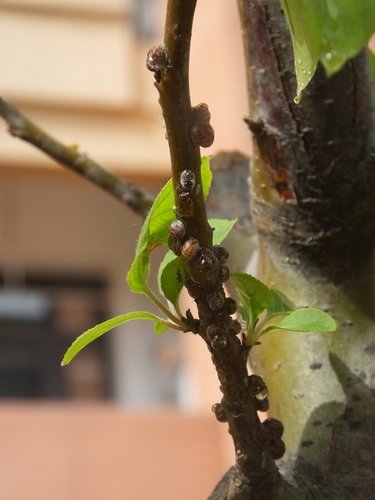
Rhodococcus sariouni
speciesRhodococcus sariouni
Rhodococcus spiraeae
speciesRhodococcus spiraeae
Rhodococcus marchali
speciesRhodococcus marchali
Rose Soft Scale
speciesRhodococcus perornatus
Rhodococcus ruber
speciesRhodococcus ruber
Rhodococcus luberonensis
speciesRhodococcus luberonensis
Where it lives
Recorded sightings
—
geo-referenced records in GBIF, from museums, herbaria and field observers.
Drag the globe to turn it. Dots are where records exist, not a range map; darker means more records.
In the stacks
Searching the stacks…
Every page naming Rhodococcus in the Biodiversity Heritage Library →
This page is assembled live from iNaturalist, GBIF, Wikipedia, the Source Library and the Internet Archive. It is not yet part of the hand-edited codex. iNaturalist taxon 356501.