- Animals
- ›Arthropods
- ›Crustaceans
- ›Typical Crustaceans
- ›Barnacles and Copepods
- ›Barnacles and Allies
- ›Barnacles
Parasitic Barnacles
Rhizocephala
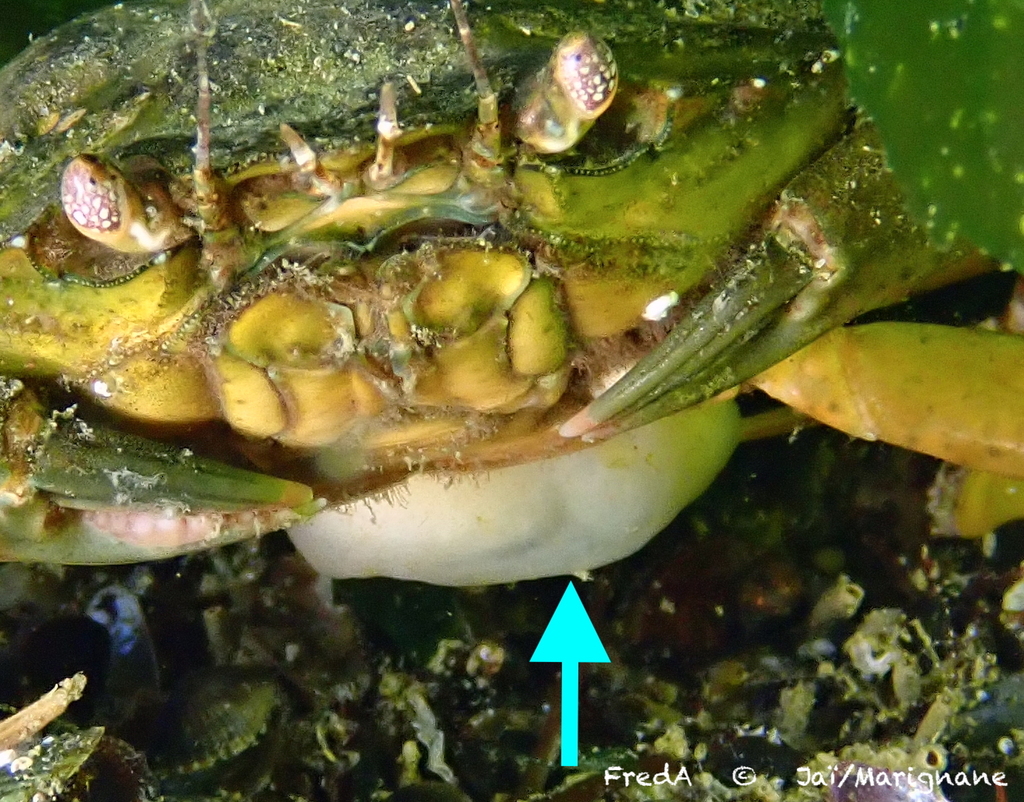
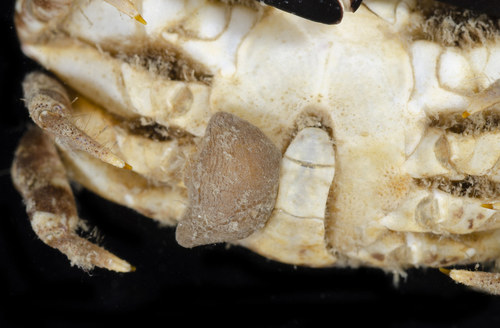
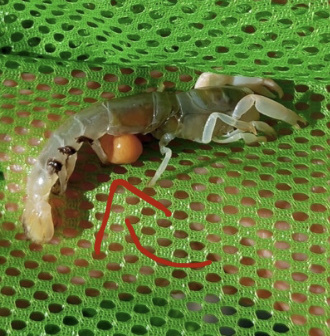
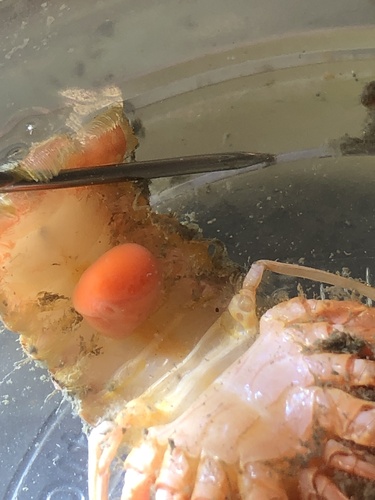
Rhizocephala are derived barnacles that parasitise decapod crustaceans. Their body plan is uniquely reduced in an extreme adaptation to their parasitic lifestyle, and makes their relationship to other barnacles unrecognisable in the adult form. The name Rhizocephala derives from the Greek roots ῥίζα (rhiza, "root") and κεφαλή (cephale, "head"), describing the adult female, which mostly consists of a network of thread-like extensions penetrating the body of the host.
13 branches of this group, most-observed first
Sacculinidae
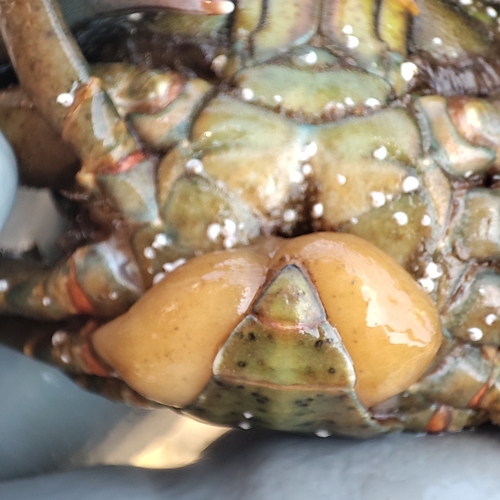
familySacculinidae
Peltogastridae
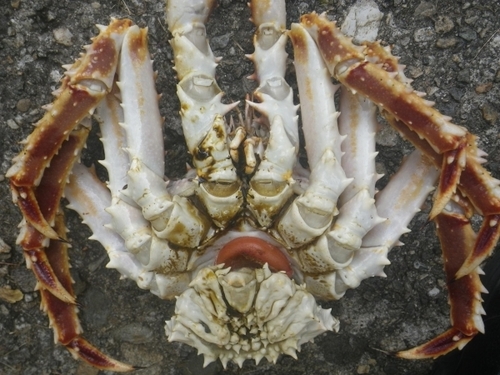
familyPeltogastridae
Clistosaccidae
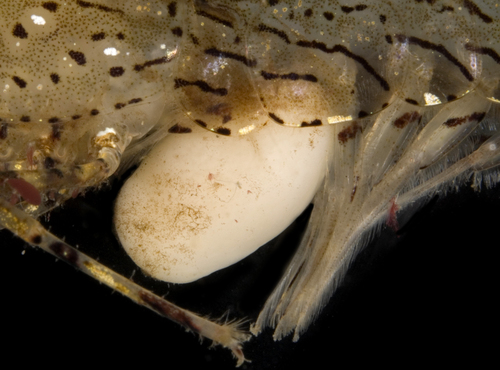
familyClistosaccidae
Polyascidae
familyPolyascidae
Peltogasterellidae
familyPeltogasterellidae
Parthenopeidae
familyParthenopeidae
Triangulidae
familyTriangulidae
Chthamalophilidae
familyChthamalophilidae
Duplorbidae
familyDuplorbidae
Mycetomorphidae
familyMycetomorphidae
Thompsoniidae
familyThompsoniidae
Polysaccidae
familyPolysaccidae
Pirusaccidae
familyPirusaccidae
Where it lives
Recorded sightings
—
geo-referenced records in GBIF, from museums, herbaria and field observers.
Drag the globe to turn it. Dots are where records exist, not a range map; darker means more records.
In the stacks
Searching the stacks…
Every page naming Rhizocephala in the Biodiversity Heritage Library →
This page is assembled live from iNaturalist, GBIF, Wikipedia, the Source Library and the Internet Archive. It is not yet part of the hand-edited codex. iNaturalist taxon 358105.