- Fungi Including Lichens
- ›Ascomycete Fungi
- ›Sac Fungi and Lichens
- ›Common Lichens
- ›Shield Lichens, Sunburst Lichens, Rosette Lichens, and Allies
- ›Sunburst Lichens and Allies
- ›Megalosporaceae
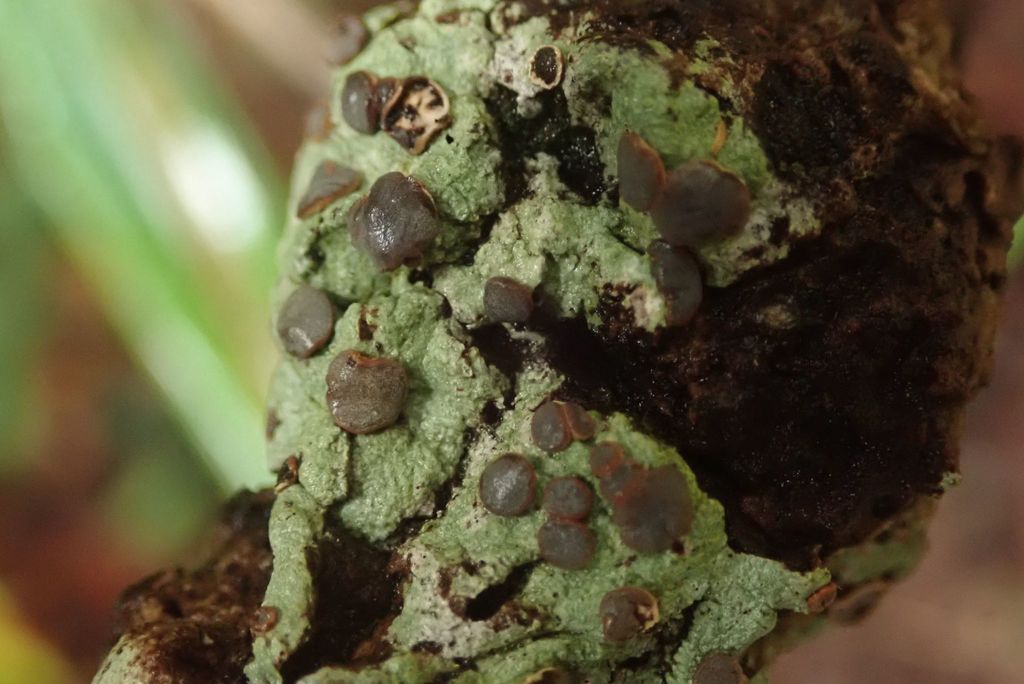
Megaloblastenia
Megaloblastenia is a genus of crustose lichen-forming fungi in the family Megalosporaceae, comprising three species. Proposed by Dutch lichenologist Harrie Sipman in 1983, the genus is characterised by its thick, ecorticate thallus ranging from pale whitish-grey to yellowish, and its disc-like fruiting bodies (apothecia) that can be biatorine or lecideine. Megaloblastenia lichens form a symbiotic relationship with Dictyochloropsis algae, produce hyaline, bicellular ascospores with polaribilocular structure, and contain chemical compounds such as zeorin, pannarin, or usnic...
2 branches of this genus, most-observed first
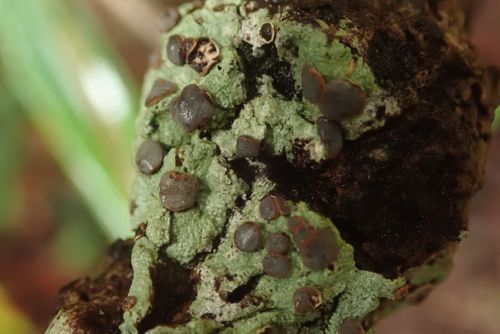
Megaloblastenia marginiflexa
speciesMegaloblastenia marginiflexa
Megaloblastenia flavidoatra
speciesMegaloblastenia flavidoatra
Where it lives
Recorded sightings
—
geo-referenced records in GBIF, from museums, herbaria and field observers.
Drag the globe to turn it. Dots are where records exist, not a range map; darker means more records.
In the stacks
Searching the stacks…
Every page naming Megaloblastenia in the Biodiversity Heritage Library →
This page is assembled live from iNaturalist, GBIF, Wikipedia, the Source Library and the Internet Archive. It is not yet part of the hand-edited codex. iNaturalist taxon 379115.